LIFESTYLE
Jaggery Storage Tips: Is the jaggery in the container starting to get sticky? Fix it with this easy hack.
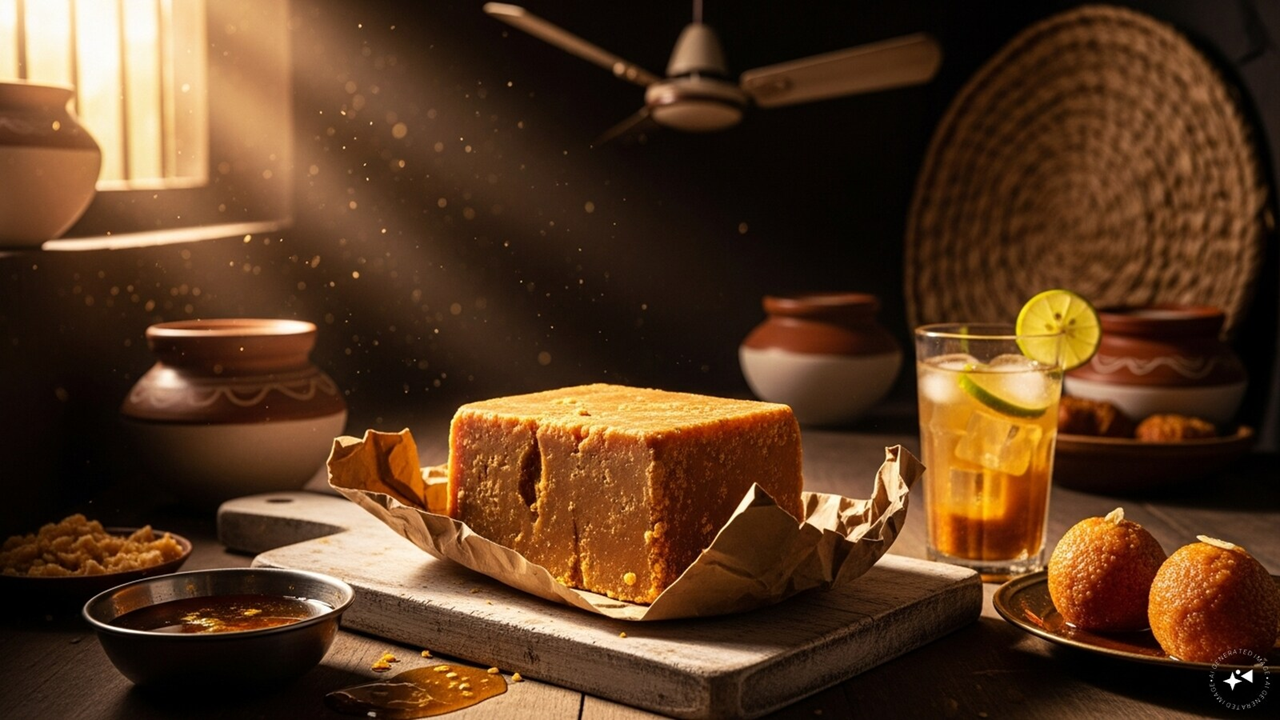
Gur Storage Tips: Many people like to eat a small piece of jaggery after a meal. However, jaggery stored at home often begins to soften after a few days, and its surface becomes sticky.
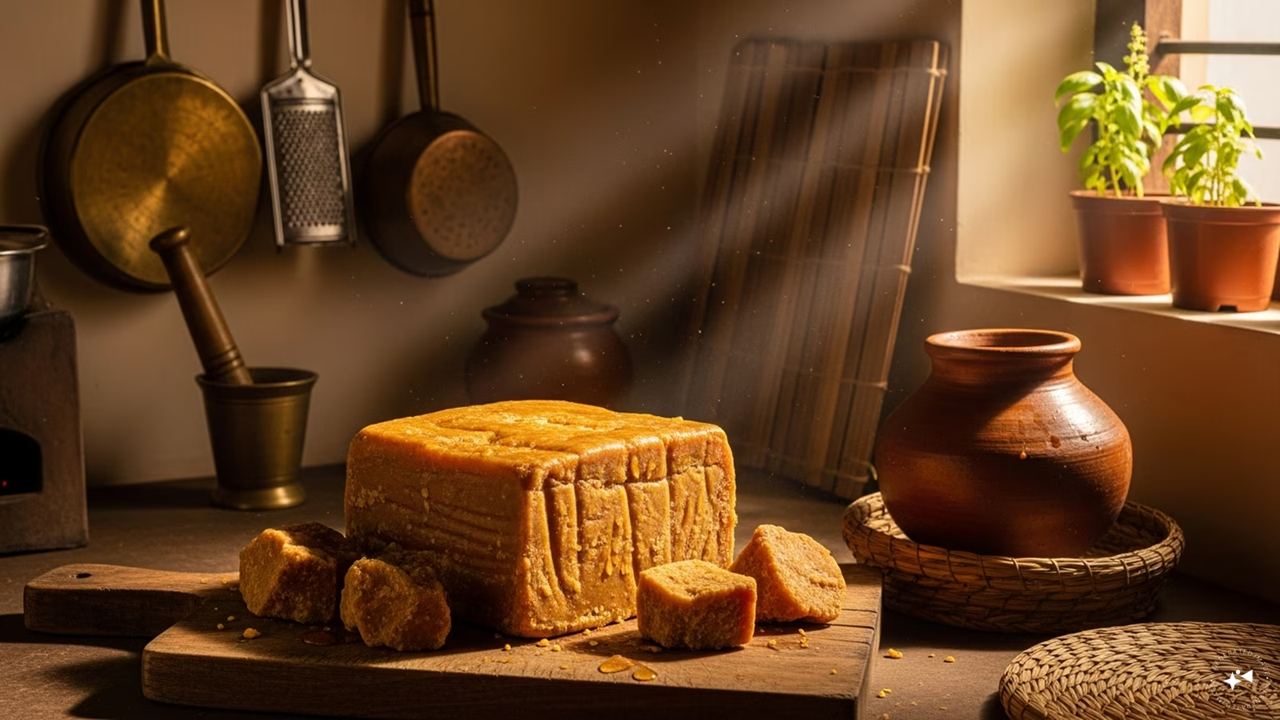
How to prevent jaggery from melting and becoming sticky?
How To Store Jaggery Without Melting: Jaggery is an integral part of Indian cuisine. It's used in everything from tea to laddus, kheer, and other sweets. Many people enjoy a small piece of jaggery after a meal. However, jaggery stored at home often softens after a few days, its surface becomes sticky, and sometimes it appears as if it is melting. This problem is especially common during rainy and humid weather . This begs the question: why does this change occur in jaggery, and how can it be stored properly for a long time?
Why is jaggery sticky?
In fact, jaggery has the ability to attract moisture. When exposed to moisture in the air, it absorbs it. This is why a hard piece of jaggery can gradually become soft and sticky. Excessive moisture can also cause its outer surface to appear wet or syrupy. This is why jaggery stored in the open or unpacked can quickly spoil.
How can we preserve it?
To prevent jaggery from becoming sticky, it's crucial to keep it away from air and moisture. After opening the package, store it in an airtight container. The lid should be snug, preventing outside air and moisture from entering. A glass jar or a container with a good-quality lid is ideal. The choice of storage location also plays a crucial role. It's best to store jaggery in a cool, dry, and dark place. Avoid storing jaggery near a kitchen stove or in areas frequently exposed to steam and moisture. Storing it in an open container or loose packaging during the rainy season can be even more harmful.
Is it right to use the refrigerator for this?
Many people store jaggery in the refrigerator to preserve it, but this isn't always considered advisable. The cold of the refrigerator can harden the jaggery, making it difficult to break. Furthermore, the change in temperature after removing it from the refrigerator can cause moisture to condense on the surface of the jaggery. This moisture can make it more sticky. Therefore, it's generally better to store jaggery in an airtight container in a dry place.
If you've purchased a large piece of jaggery, you can divide it into smaller pieces as needed. For long-term storage, place the smaller pieces in a tightly sealed ziplock bag and remove any excess air. Then, store the bag in an airtight container. This will provide additional protection against moisture.
Jaggery can be broken like this
Jaggery can sometimes be difficult to use completely. If it's hardened and you only need a small amount, there's no need to break it all up. It can be softened by gently heating it for a few seconds. Microwave it in a microwave-safe bowl and heat it gently for about 10 to 15 seconds. This will soften the jaggery slightly, making it easier to cut or remove as needed. However, it should not be heated for too long, as hot jaggery can melt and become extremely sticky, potentially causing burns.
If the jaggery isn't too old, you can use a sturdy knife to break it into smaller pieces. Place it on a stable, sturdy surface and carefully separate the smaller pieces. It's safer to gently pry the piece from the edge rather than trying to cut it too hard. If the jaggery has hardened too much, wrap it in a thick, clean cloth and gently pat it to break it into smaller pieces.
For those who want to avoid the hassle of handling large pieces of jaggery, jaggery powder can be an easier option. It's easier to measure and can be used directly in tea, milk, sweets, or other preparations. However, powdered jaggery can also form lumps when exposed to moisture, so it's always important to store it in a tightly sealed container.
Keep this in mind when buying
When purchasing jaggery, it's important to pay attention to its quality. Choose jaggery with a natural color and a normal aroma. Jaggery that appears unusually pale or bright yellow should be considered of poor quality. Along with purchasing the right quality jaggery, storing it properly is equally important.