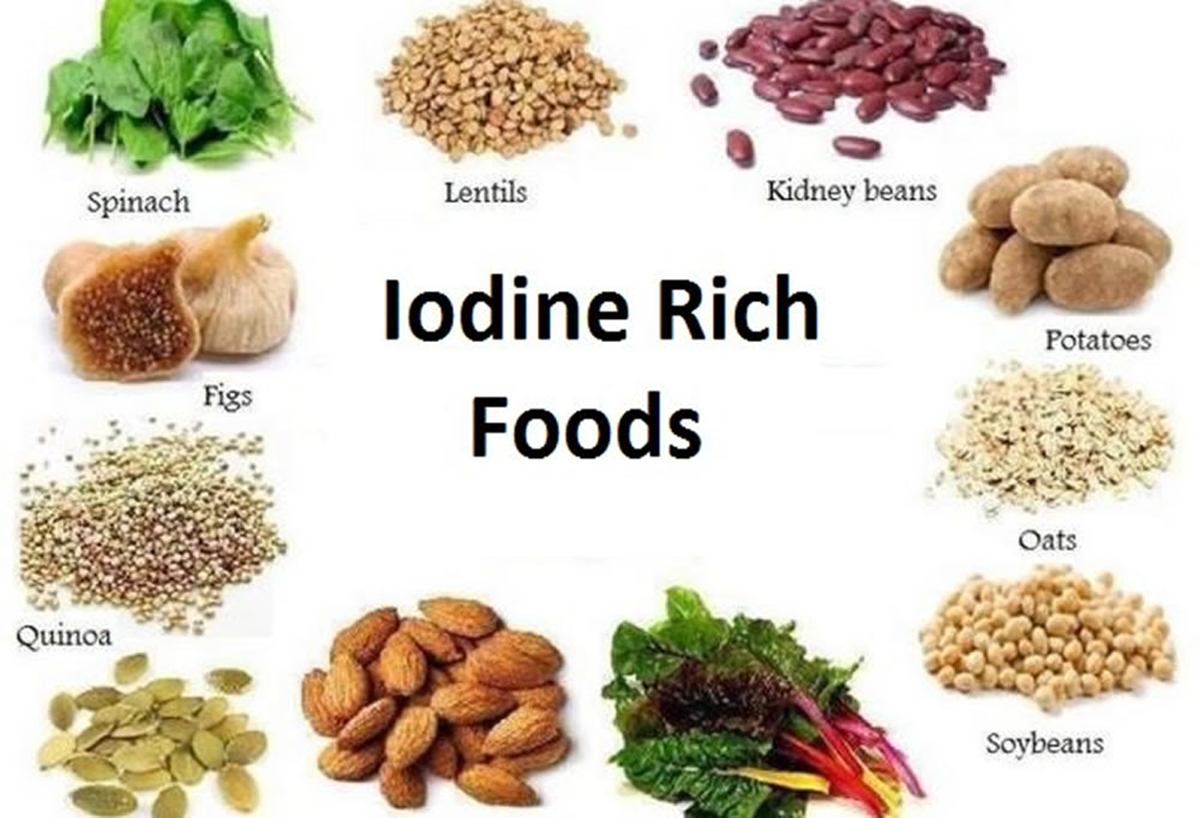
Healthy Foods: Adults require about 150 micrograms of iodine daily. Pregnant and breastfeeding women need more.

Sources of Iodine
Best Iodine-Rich Foods Besides Salt: Iodine is an essential mineral for maintaining a healthy body. Iodized salt is usually the first thing that comes to mind when Iodine is mentioned, but did you know that iodine can be obtained from many other foods? From milk and yogurt to eggs and certain types of fish, many foods are considered good sources of iodine.
According to the health information website healthline, adults require approximately 150 micrograms of iodine daily. Pregnant and breastfeeding women require more. Iodine deficiency can lead to thyroid problems. Therefore, it is important to include iodine-rich foods in your daily diet.
Sea greens are among the best sources.
Seaweed is considered one of the best natural sources of iodine. However, the iodine content of each type of seaweed varies depending on its location and preparation. Among the different seaweed varieties, kombu can be particularly high in iodine. Wakame and nori also contain iodine, but the amounts vary. Importantly, seaweed can be very high in iodine, so excessive consumption is not recommended.
Iodine is also obtained from some fish.
Even for fish eaters, there are many options to meet their iodine needs. Lean fish like cod can be a good source of iodine. About 85 grams of cod contains approximately 63 to 99 micrograms of iodine. However, the amount of iodine in fish can vary depending on the type, the method of catching, and the region. Shrimp is also an iodine-rich seafood. About 85 grams of shrimp contains approximately 35 micrograms of iodine. One reason for the presence of iodine in marine life is that they store some of the iodine present in the sea in their bodies.
Tuna also contains iodine, although the amount may be lower than in leaner fish. About 85 grams of tuna provides about 17 micrograms of iodine.
Do not ignore milk and curd.
If you consume milk or yogurt daily, these can also be easy food sources of iodine. The iodine content in milk can vary depending on several factors, such as animal feed and the iodized ingredients used during milking. Yogurt is also considered a good source of iodine. One cup of plain yogurt can provide about half of the daily recommended iodine intake. Cheese and other dairy products also contain iodine, although the amount can vary from product to product.
The yellow part of the egg is also useful.
Eggs are also a rich source of iodine. Importantly, the majority of the iodine in an egg is found in the yellow yolk. On average, a large egg contains approximately 24 micrograms of iodine. However, the amount of iodine in an egg can vary depending on the iodine content of the hen's feed. Therefore, it is not necessary that every egg contains exactly the same amount of iodine.
Dried plums can also provide iodine.
You don't have to rely solely on salted foods or seafood for iodine. Prunes are also a vegetarian source of iodine. About five prunes provide approximately 13 micrograms of iodine. They also contain fiber, vitamins, and other nutrients, making them a good addition to a balanced diet.
Lima beans are also an option.
Lima beans contain nutrients like fiber, magnesium, and folate, and they also contain iodine. One cup of cooked lima beans contains an average of about 16 micrograms of iodine. However, the iodine content of plants can vary depending on many factors, such as soil, irrigation water, and fertilizer. Therefore, the same food grown in different areas may not necessarily have the same iodine content.
There's no need to rely on just one thing.
Iodine is essential for the body and can be obtained through daily diet. Salt is an easy source of iodine, but milk, yogurt, eggs, some fish, shrimp, seaweed, and some legumes can also add iodine to the diet.