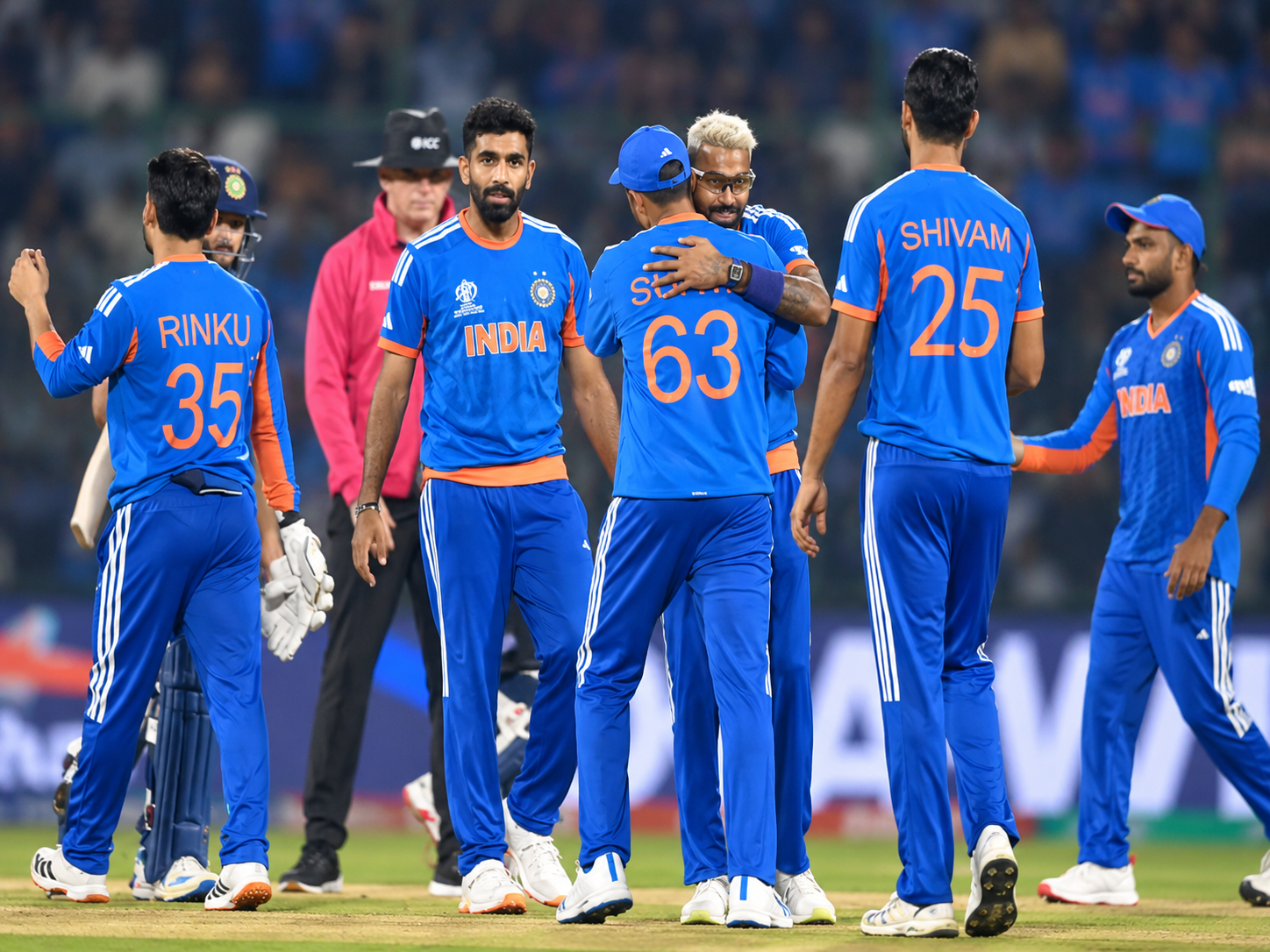
Cricket fans are set to witness an unusual international contest when India and Japan face each other on September 22, 2026. The upcoming T20 encounter is expected to attract considerable attention because the two countries have vastly different cricketing histories and levels of international experience.
India has been one of the dominant forces in world cricket for decades, while Japan is still developing its presence on the global stage. The contest therefore offers Japanese players an opportunity to test themselves against a much more established cricketing nation.
The match, referred to in the report as the "Suzuki Cup", also puts the spotlight on Japan's growing cricket ecosystem. Although the sport is far behind baseball and football in popularity in the country, Japan has been gradually expanding its cricket infrastructure, domestic competitions and opportunities for both men's and women's players.
Ahead of the September 22 encounter, here are some interesting facts about Japanese cricket that fans may want to know.
India and Japan Set for T20 Contest on September 22
The India-Japan T20 match is scheduled to take place on September 22, 2026.
The difference in international experience between the two teams makes this an intriguing contest. India regularly competes against the strongest cricket nations and has enormous depth in its player pool.
For Japan, playing against India represents an opportunity to gain exposure against high-quality opposition and showcase the progress the sport has made in the country.
The match could also generate greater interest in Japanese cricket among fans who do not usually follow emerging cricket nations.
Japan Ranked 41st in Men's T20I Cricket
According to the ranking position cited in the report, Japan's men's team is placed 41st in the T20 International standings.
That ranking illustrates the significant gap between the two teams heading into the contest. However, matches against stronger opposition can provide valuable experience for developing sides.
Japanese players will get an opportunity to understand the standards required when facing a team with greater international exposure, while a strong individual or team performance could give cricket in Japan additional visibility.
Japan Could Become India's 20th Different T20I Opponent
Another interesting statistical aspect of the encounter is the possibility of Japan becoming the 20th different opponent India has faced in T20 International cricket.
India's T20I journey has included matches against established cricketing powers as well as emerging nations.
Adding Japan to that list would reflect the expanding geographical reach of international T20 cricket. The shorter format has made it easier for developing cricket nations to compete internationally and gain exposure against teams from different parts of the world.
Japan Reportedly Has Around 28 Cricket Grounds
Japan may not immediately come to mind when discussing cricket infrastructure, but the sport has gradually developed a physical presence in the country.
According to the information provided in the report, Japan has approximately 28 cricket grounds.
These facilities are important for the long-term development of the sport because players need regular access to suitable venues for training and competitive matches.
A stronger network of grounds also makes it easier to organise domestic competitions and provide aspiring cricketers with opportunities to play regularly.
Infrastructure becomes particularly important for a developing cricket nation, where increasing participation at grassroots level can eventually strengthen the national team.
Four-Division Domestic Structure Helps Develop Players
Japan also has an organised domestic cricket system.
The report states that the country operates a four-division domestic league structure. Such a system gives cricketers opportunities to compete regularly rather than relying solely on occasional international fixtures.
Domestic competitions are essential for identifying new talent, developing experienced players and creating competition for places in representative teams.
A multi-division structure can also provide teams of different standards with an appropriate competitive environment, helping players progress through the domestic system.
Women's Cricket Is Also Growing in Japan
The development of cricket in Japan is not limited to the men's game.
Women's cricket has also been given a competitive platform, with a women's premier competition forming part of the country's cricket structure.
Providing organised competitions for female players is important for expanding participation and building a sustainable pathway towards international cricket.
As more players gain access to structured tournaments, coaching and regular competitive matches, Japan has an opportunity to strengthen both its men's and women's national programmes.
Why India vs Japan Could Be Important for Japanese Cricket
For India, the September 22 fixture offers the unusual prospect of facing a relatively unfamiliar international opponent. For Japan, however, the significance could be much greater.
Competing against a major cricketing nation provides developing teams with experience that can be difficult to reproduce in domestic competitions. Players are exposed to higher standards of batting, bowling, fielding and decision-making under pressure.
The attention surrounding an India match could also introduce Japanese cricket to a much larger international audience.
A Chance to Put Japan's Cricket Growth in the Spotlight
Japan still has a long journey ahead before it can regularly compete with cricket's leading nations, but the foundations described in the report — including dozens of playing grounds, a multi-division domestic structure and opportunities for women's cricket — indicate an effort to develop the sport systematically.
The proposed T20 meeting with India on September 22 could therefore be more than an interesting match-up between two very different cricket nations.
For Japanese cricket, it represents a chance to measure progress against elite opposition and bring attention to a sporting culture that remains relatively unfamiliar to many international cricket followers.
With India bringing its enormous cricketing profile and Japan representing one of the sport's developing markets, the encounter has the potential to attract interest well beyond the result itself.