FOOD & RECIPE
How to make Kunafa at home: How to make the famous Arab Kunafa at home? The whole family will be mesmerized by the taste.
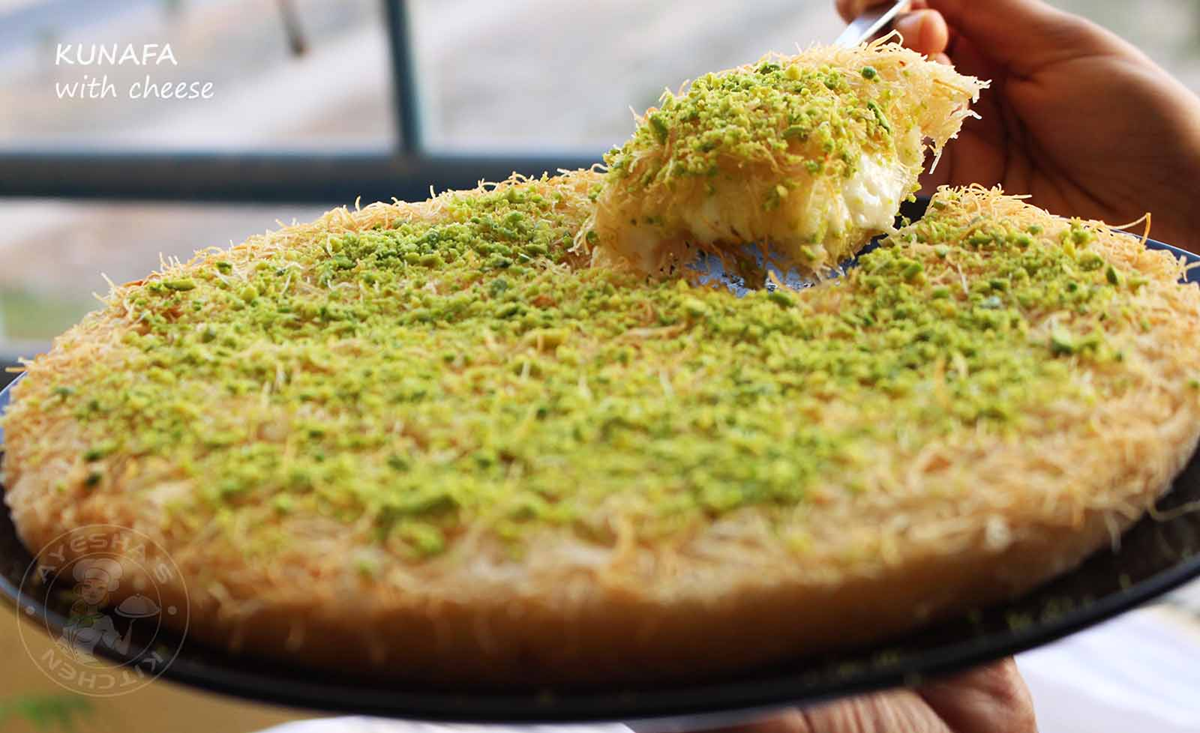
Homemade Kunafa: To make kunafa, you'll first need kunafa dough. Also commonly known as kat'aifi, it's made from finely chopped filo pastry.
Kunafa recipe: easy way to make at home
Middle Eastern Knafeh Dessert Recipe: If you're craving something unique and special, try Kunafa, a famous Arab dessert. With its crispy layers and creamy filling, this dessert is as beautiful as it is delicious. The aromatic sugar syrup and pistachio garnish add even more splendor. While Kunafa is often considered a traditional Middle Eastern dessert, it can easily be prepared at home.
Kunafa is also known as Knafeh or Kunafeh in many places. Its preparation varies slightly across different countries and regions. Some include a stretchy layer of cheese, while others may be filled with a creamy milk pudding or nuts.
What is needed to make Kunafa?
To make kunafa, you'll first need kunafa dough. It's also commonly known as kataifi and is made from finely chopped filo pastry. It's not easy to make it at home from regular filo sheets, so it's best to use the special dough used for kunafa. Milk and cornstarch are used for the filling, which creates a creamy milk pudding inside the kunafa. There's no need to add sugar, as it's topped with a sweet sugar syrup at the end.
Ghee is also needed. Ghee is used in kunafa to enhance its flavor and texture. Butter is also used in some places, but ghee is preferred for a traditional taste. If you have sweet cheese available, a layer of it can also be added to the kunafa.
First, prepare the kunafa dough.
Divide the kunafa dough into two parts. Place one part in the food processor and leave the other in the packet to prevent it from drying out. Pulse the food processor about 6 to 10 times. After every few pulses, stop and separate the dough from around the blades. Be careful not to turn the dough into a powder. The goal is simply to cut the long strands of kunafa into smaller pieces. Then prepare the other part in the same way. Melt the ghee and add about three-quarters of it to the kunafa dough. Mix the ghee thoroughly into the dough with your hands, so that almost every strand is lightly coated.
Now prepare the layers of Kunafa
Brush the bottom of the baking pan with some of the remaining melted ghee. Then, spread half of the kunafa dough into the pan. It's important to press it down firmly. Use the bottom of a small pan, cup, or plate to press the kunafa into an even layer.
Pour the prepared milk pudding mixture over the mixture. Spread it evenly, leaving about half an inch of space around the edges. If you want to make cheesy kunafa, you can grate some sweet cheese and spread it over the pudding at this stage. Then, add the remaining kunafa dough and press it down gently. Finally, spread the remaining melted ghee over the top. Bake in the oven until the top layer is golden brown.
Don't forget to add sugar syrup
After removing the kunafa from the oven, pour the cooled sugar syrup over it. Let it rest for 10 to 15 minutes to absorb the syrup. Then carefully invert it onto a serving plate. Garnish with crushed pistachios. If desired, you can also add rose water, orange blossom water, or a light vanilla essence to the sugar syrup.
Keep these things in mind while making Kunafa.
Buying regular filo pastry and then chopping it finely with a knife isn't the right method for making kunafa. It's better to use special kunafa dough. Freezing kunafa dough can also be used. Some people cut it while frozen, but thawing it first and then preparing it in a food processor is an easier method. You can also freeze prepared kunafa without baking it. If needed, it can be thawed and baked. Prepared kunafa can be stored in the refrigerator until the next day, but over time, the pudding layer will absorb more of it. When reheating, it's best to use an oven, not a microwave.