LIFESTYLE
How to Clean a Sofa: Make a dirty sofa shine without water; it will look brand new in 10 minutes.

Sofa Care Tips: Regular cleaning keeps a sofa clean and in great condition. Dust can accumulate in corners, food stains can cause odours, and ignored spills can become permanent stains.
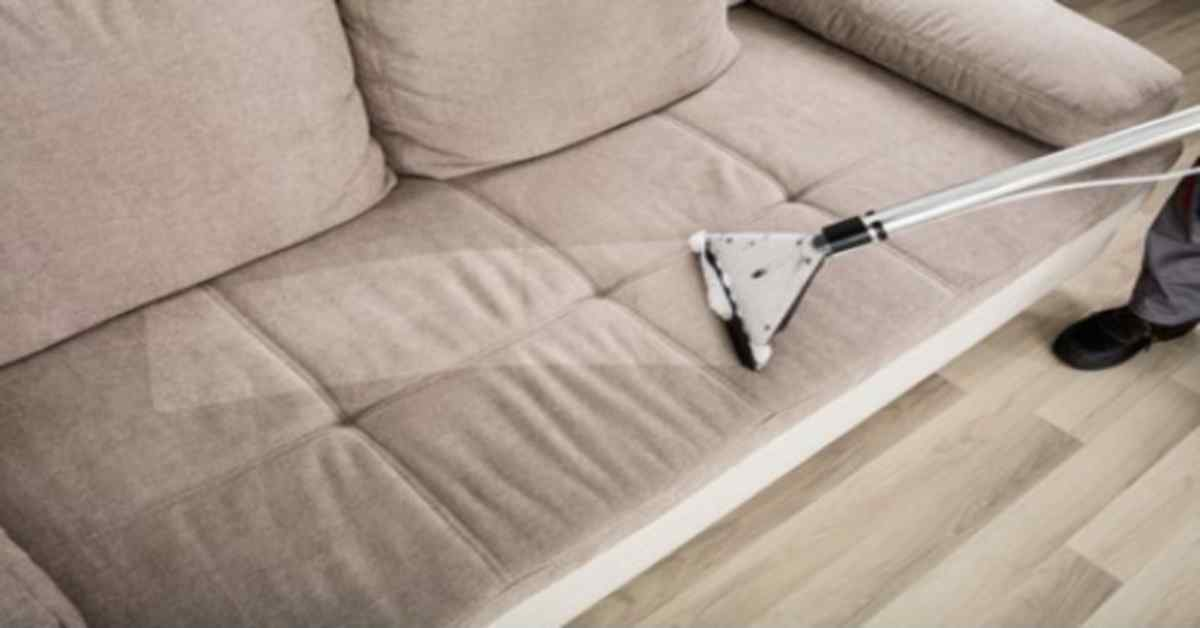
Easy way to clean a fabric sofa
Easy Ways To Clean Sofa Without Water: Fabric sofas are used for receiving guests, snacking, napping, and sitting for extended periods of time. In Indian homes, sofas can quickly become dirty due to dust, sweat, food crumbs, and moisture. It's important to know how to clean a sofa at home to keep it clean without damaging the fabric and cushioning. The safest way is to check the sofa's care label, use less water, and clean according to the material.
Why is it important to clean your sofa regularly?
Regular cleaning keeps a sofa clean and in top condition. Dust can accumulate in corners, food stains can cause odors, and ignored spills can become permanent stains. Regular care helps reduce dust, food crumbs, and pet hair, prevent stains from setting, maintain fabric color, control odors in humid climates, and protect foam, springs, and stitching.
What to keep handy before cleaning the sofa?
Before cleaning your sofa, prepare a vacuum cleaner, an upholstery brush, a soft microfiber cloth, a mild liquid soap or upholstery cleaner, lukewarm water, a spray bottle, a soft brush, baking soda, white vinegar as needed, dry towels, a cool-air hair dryer, leather conditioner, and gloves. Bleach, harsh detergents, and abrasive pads should be avoided, as these can fade the fabric or cause cracking in the faux leather.
First, check the sofa's care label.
Before cleaning your sofa, check the care tag located under the seat or backrest. This indicates whether water, solvent cleaner, or professional cleaning is recommended. Remove the cushions and vacuum the seat, backrest, arms, and corners. A narrow nozzle can be used where crumbs tend to accumulate.
Do a spot test before cleaning.
Before using any cleaning solution, test it on an inconspicuous area. Mix mild soap with water and apply it to a small area first. If the color changes or the fabric feels rough, discontinue use.
Clean your sofa with less water like this.
When cleaning, wet the cloth, wring it out well, and clean the sofa in small areas. Be patient around the buttons and seams. After cleaning, press the area with a dry towel to remove excess moisture. Avoid rubbing velvet, suede, or faux leather, as this can affect their finish. Open the windows or turn on a fan and let the sofa dry completely. Wet cushions can cause odors during the monsoon season.
No need to soak and wash the sofa
Sofas don't need to be soaked like clothes. Fabrics that don't tolerate heavy water can be cleaned with a low-moisture cleaning method. Spray the fabric instead of pouring water directly onto it. Clean the seat, then the other parts, and then the backrest. This ensures even cleaning across the entire surface. Velvet and soft-touch fabrics should be cleaned gently. For fabrics, brush in the direction of the fabric and avoid rubbing in a circular motion.
How to clean your sofa without water
If you don't want to use water, vacuum the sofa thoroughly first. You can then sprinkle baking soda or upholstery dry-cleaning powder on the sofa and let it sit for 20 minutes. Then, use a soft brush to loosen particles and gently vacuum again. Professional cleaning may be safer for delicate fabrics.
Cleaning Different Sofa Materials
Fabric sofas can be vacuumed weekly, and stains should be cleaned immediately. Leather sofas should be cleaned with a dry or slightly damp cloth, and leather conditioner should be used as needed. Velvet requires gentle brushing and prompt cleaning of stains. Suede sofas should be cleaned with a suede brush or dry cloth. Wooden frames can be cleaned with a dry cloth.
How to remove tea, coffee, and oil stains?
For tea or coffee stains, blot first and then clean with mild soap suds. For food stains, remove solids with a spoon and gently clean. For ink, spot test and then use upholstery cleaner. For oil stains, sprinkle baking soda on them and then vacuum. For pet stains, blot first, lightly clean, and let them dry completely.
Avoid these mistakes while cleaning your sofa.
Mistakes to avoid include pouring water directly onto the sofa, using bleach or strong detergents, rubbing the stain vigorously, drying at high heat, ignoring the care label, and sitting on the sofa before it is dry.
How often should a sofa be cleaned?
If the sofa is used daily, vacuum it weekly. Clean up spills immediately. Light surface cleaning is recommended once a month, and a deep cleaning every six months. Allow the sofa more time to dry during the monsoon season, and clean the armrests and headrests more frequently during the summer.