Due to the high cost of crude oil imports and rising domestic consumption, ordinary consumers are facing the burden of rising prices. Fortunately, petrol and diesel prices have remained stable in the country for a long time.
Petrol-diesel rates remained unchanged today.
Fears of a fresh increase in petrol and diesel prices across the country have intensified as global crude oil prices continue to rise. The average price of crude oil has reached nearly $100 per barrel, the highest in three months. Meanwhile, petrol and diesel consumption has also increased. This has raised concerns about rising transportation costs for daily commuters.
Brent crude, considered the global benchmark, is currently trading between $97.13 and $97.31 per barrel. It also reached a high of $98.06 in the previous session. Meanwhile, US benchmark WTI crude is trending between $92.63 and $92.70 per barrel, registering a rise of over 1.25%. This figure is worrying for India, which imports over 85% of its crude oil needs. This continued rise in crude oil prices has significantly increased the pressure on the import bill and the potential for higher petrol and diesel prices in the country's retail markets.
City-wise petrol-diesel price
| City | Petrol Price (per litre) | Diesel Price (per litre) |
| Delhi | Rs 102.12 | Rs 95.20 |
| Mumbai | Rs 111.31 | Rs 97.97 |
| Kolkata | Rs 113.51 | Rs 99.82 |
| Chennai | Rs 107.78 | Rs 99.56 |
| Bareilly | Rs 102.25 | Rs 95.46 |
| Patna | Rs 113.35 | Rs 99.36 |
| Ranchi | Rs 106.12 | Rs 100.49 |
| Agra | Rs 101.90 | Rs 95.02 |
| Gwalior | Rs 114.30 | Rs 99.35 |
Why are petrol and diesel prices increasing?
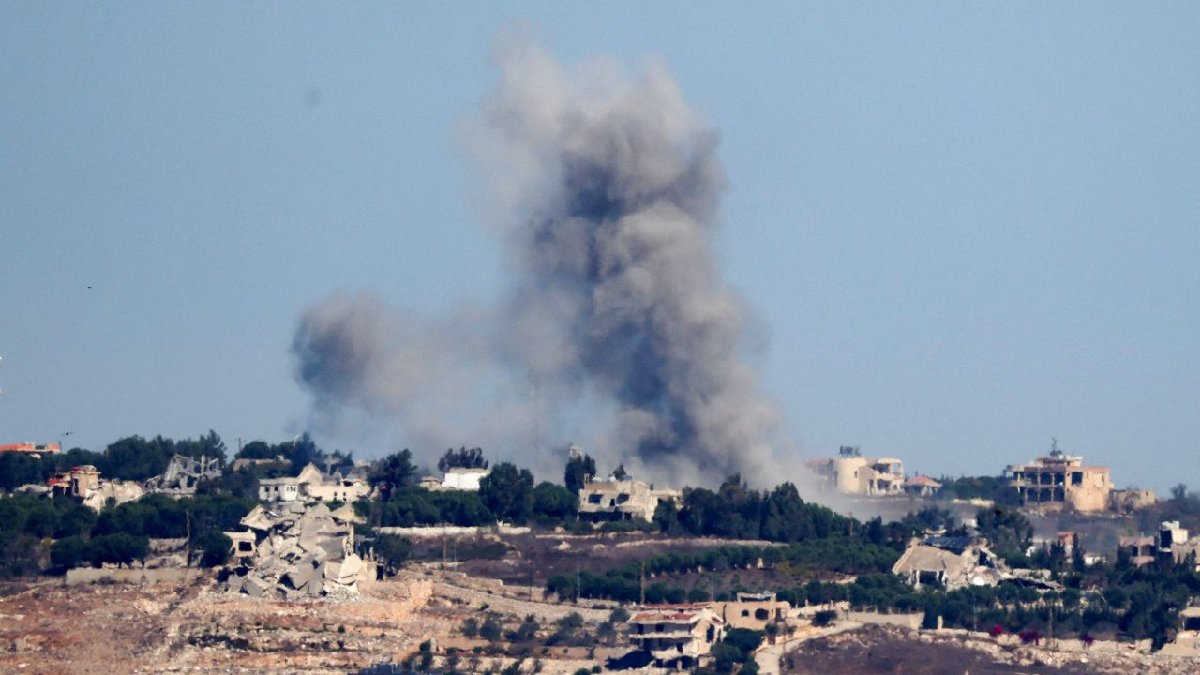
Amid ongoing tensions in the Middle East, the US and Iran have recently attacked each other's ships and oil tankers. Following US military action against some Iranian oil tankers, Iran has also targeted several US ships. This worsening situation between the two countries has created a stir in the global oil market.
It's worth noting that this conflict occurred in the Strait of Hormuz, a sea route through which approximately 20% (one-fifth) of the world's oil trade passes. In the face of this war, shipping traffic on this route has fallen to its lowest level since May. On average, only 10 commodity ships are now transiting daily. This fear of disruption to the oil supply chain is driving prices to skyrocket.