NEWS
How much time does it take to make a mobile phone? How is your smartphone manufactured in the factory?
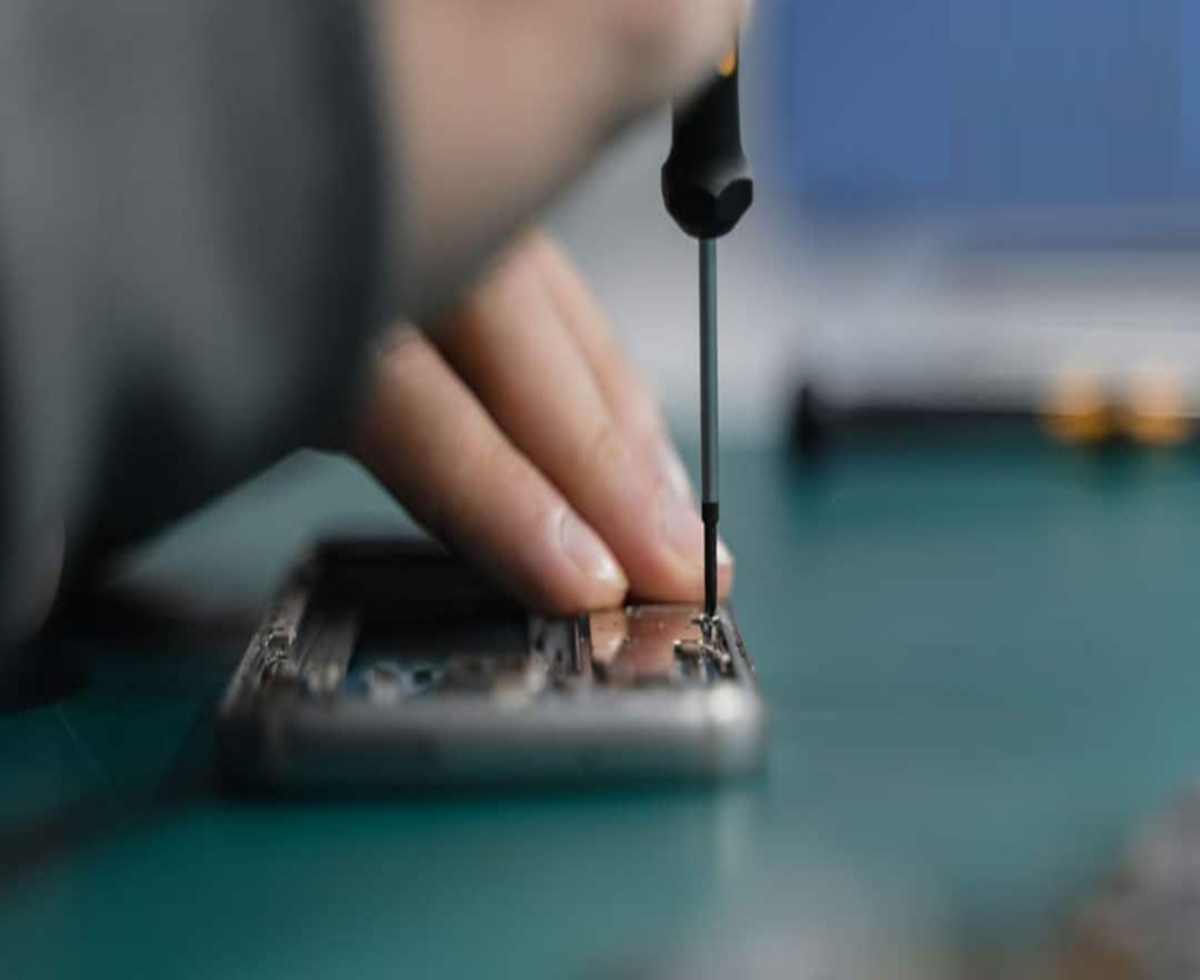
How Smartphones Are Made: A smartphone is assembled from over 60 different parts. It's only after numerous processes like design, assembly, testing, and packaging that the phone reaches the market.

Smartphone Manufacturing Process
How Smartphones Are Made: In today's times, mobile phones have become a necessity. Whether it's calling someone to get instant information or making a payment, everything is done in minutes. So, have you ever wondered how much time it takes to make the smartphone you're using, and how it's manufactured in a factory? You'll be surprised to know that a smartphone is made up of over 60 different parts. Most people aren't aware of this, so let's explain how a smartphone is made in a factory.
Thinking and designing come first
Before any phone is manufactured, the company's engineers and designers examine existing models to identify flaws and then design the new phone. They test everything from how much the phone will break if dropped, where it might crack, and how much heat it can withstand. All of this is done on a computer before the phone is even manufactured.
How is a phone manufactured in the factory?
Few people know that at least 60 parts are assembled to make a smartphone. It's astonishing how so many things can fit into a small phone. It's worth noting that the motherboard is first created, on which all the components are mounted. Then the screen is installed, followed by other essential components, such as the camera, battery, and other components. Finally, features like calling, messaging, video calls, Bluetooth, Wi-Fi, and internet are implemented. According to experts, all these parts are sourced from various parts of the world and then assembled using machines. They explain that it takes at least months to make a smartphone, involving the hard work and passion of many workers.
The last, but most important step
Simply assembling parts isn't enough to make a mobile phone. The most important step is testing the phone to determine its functionality, user-friendliness, and the shortcomings it was designed to address. Smartphones are subjected to testing at every level, including dropping them to see which side causes the most scratches, checking battery health, and whether the phone's internet and Wi-Fi are working properly, and whether the screen responds quickly. All these things are checked at every level.
Only after the smartphone has passed the testing process, is it software installed and then packaged. During packaging, care is taken to ensure that the phone also includes essential accessories, such as its charger and usage instructions. Only after all these components are properly packaged is it finally released to the market.