NEWS
How does the iPhone's 48MP camera outperform Android's 108MP camera? Know this big secret before buying.
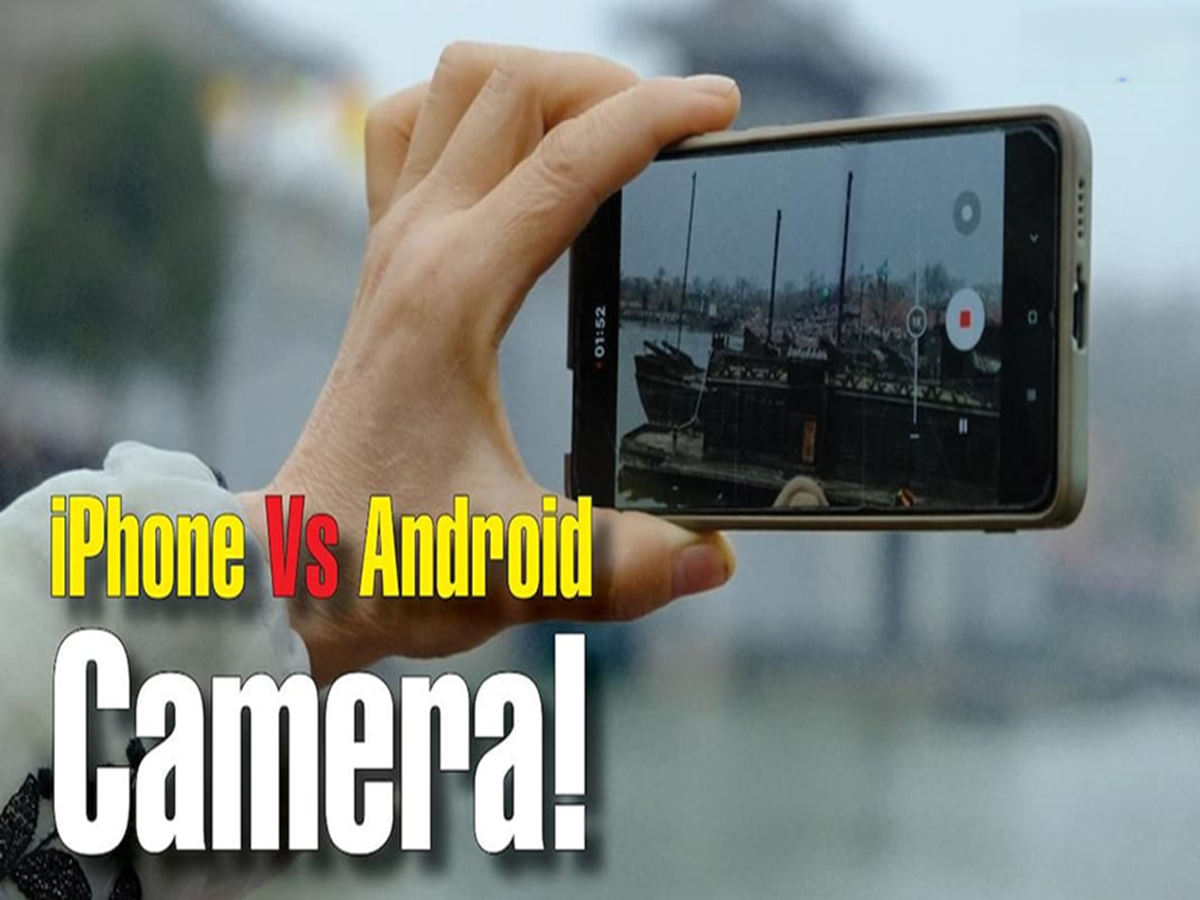
iPhone Vs Android Camera: In the last few years, smartphone companies have introduced megapixels as the biggest feature of the camera.

(iPhone Vs Android Camera)
iPhone vs. Android Camera: When buying a smartphone, most people base their decision on the camera's megapixel count. While the iPhone offers a 48MP camera, many Android smartphones boast a 108MP camera. At first glance, 108MP seems better, but the reality is quite different. Camera quality isn't solely determined by megapixels; the underlying technology and photo processing also play a significant role.
A camera with more megapixels isn't always better.
Over the past few years, smartphone companies have positioned megapixels as the primary feature of a camera. The message to consumers is that the more megapixels, the better the camera.
But the actual quality of a photo depends on many other factors, such as sensor size, image processing, dynamic range, and low-light performance. That's why simply having a 108MP tag doesn't automatically make a camera great.
Why do photos often come out in 12MP despite having a 108MP camera?
This is something most buyers don't know: Many Android smartphones do use 108MP sensors, but they don't capture photos at the full 108MP resolution for everyday photography.
This is driven by a technology called pixel binning. This process combines several small pixels to create a single larger pixel, resulting in clearer images in low light. Many phones with 108MP sensors use 9-in-1 pixel binning, resulting in images with a resolution of approximately 12MP.
This means the camera can technically shoot 108MP, but in normal use, the phone produces lower resolution photos for better brightness and less noise.
The iPhone's 48MP camera works differently.
Apple has included a 48MP sensor in its recent iPhone models, but its functionality is quite different. The company defaults to providing photos with approximately 24MP resolution, giving users more detail and better quality.
If you want more detail, you can manually select the full 48MP mode. This means that in real-world use, the iPhone often produces higher-resolution images than Android phones that, despite having a 108MP sensor, output 12MP.
Apple's real strength is image processing.
Apple doesn't rely solely on hardware. The company's computational photography technology plays a key role in enhancing photos. Technologies like the Photonic Engine and Smart HDR enhance colors, shadows, skin tones, and low-light details. This is why photos taken with an iPhone often appear more natural and balanced, even with fewer megapixels.