Mesh Wi-Fi systems use multiple network points to distribute signals to different parts of the home. Learn how this technology works and how it differs from a standard router and Wi-Fi extender.
Mesh Wi-Fi Technology
If you have Wi-Fi installed at home, but the internet slows down as you move to another room, videos repeatedly stop, or the signal becomes difficult on the upper floors, it's not just due to internet speed. Sometimes, the router's reach is also responsible. Usually, a Wi-Fi router is placed in a single location and sends signals throughout the house, but increasing distance and walls can weaken the signal. In such situations, a mesh Wi-Fi system comes in handy.
Instead of relying on a single device, it expands Wi-Fi reach by installing multiple network points in different parts of the home. Importantly, these points don't need to be connected to different networks. So, let's explore how Mesh Wi-Fi technology works and how it differs from a standard router.
What is a Mesh Wi-Fi system?
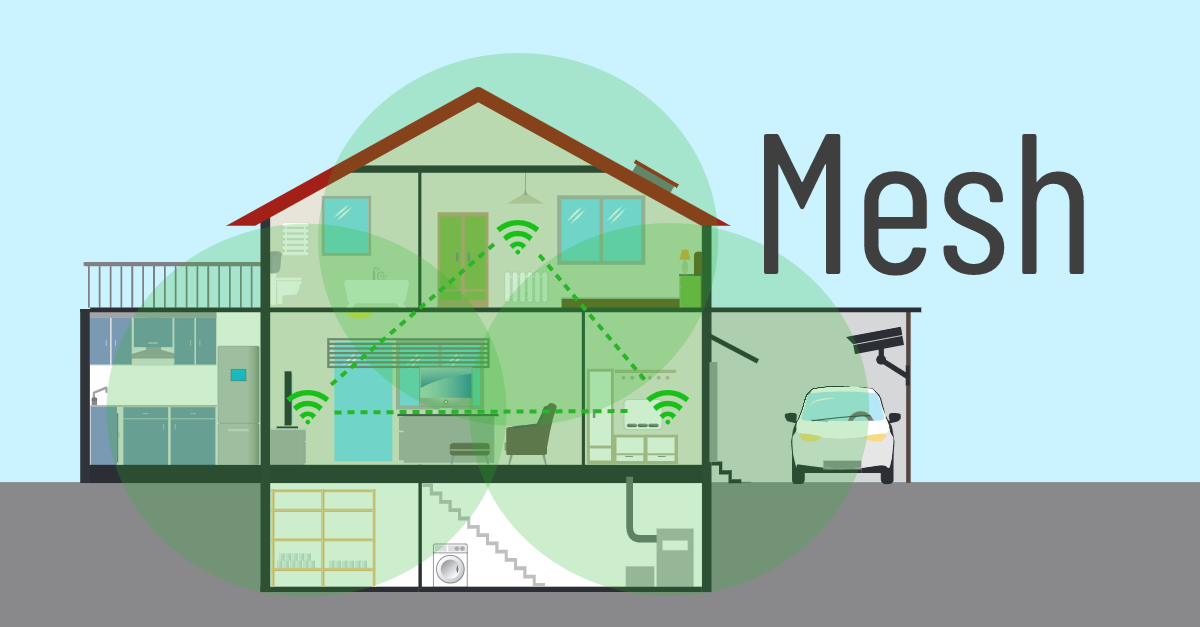
Mesh Wi-Fi is a network where one or more satellite devices are connected to a main router. The main router connects to the internet via a modem, while other devices transmit signals to other parts of the house. The purpose of all this is to expand the coverage of a single Wi-Fi network. In this system, devices like phones, laptops, and tablets use the same network name and password. This eliminates the need to constantly change networks when moving from one room to another.
How does Mesh Wi-Fi technology work?
In a mesh system, the main router manages the internet connection. Satellites or nodes placed throughout the home then extend the network. These nodes communicate with the main router or other nodes to expand Wi-Fi reach. As a user moves around the home, their device can automatically switch connections between available network points, making internet access easier throughout the home.
What is the difference between Mesh Wi-Fi and a normal router?
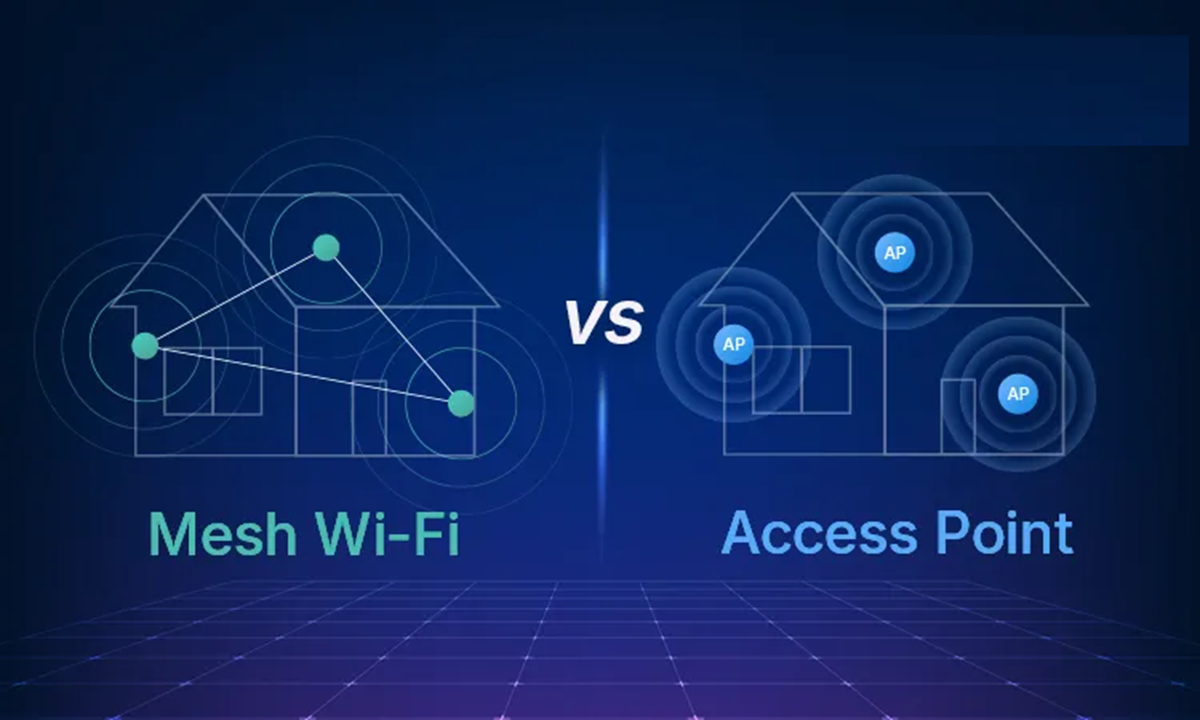
A standard router sends Wi-Fi signals from a single point. Signals can weaken with distance or obstructions like walls. In contrast, a mesh system provides coverage from multiple points. A standard router may be suitable for a small home or apartment, but a mesh system may be more useful in larger, multi-story homes. Additional satellites can be added if needed, though they may cost more than a standard router.
How is a mesh system different from a Wi-Fi Extender?
A Wi-Fi Extender captures the existing router's signal and extends it to areas where the network is weak. Many traditional extenders create separate network names, forcing the user to change networks as needed. In a Mesh system, all nodes are part of a single network. This may be a better option if signal problems persist in several parts of the house. However, an extender may also be suitable for extending Wi-Fi to just one room.