LIFESTYLE
How dangerous is Fanta with 3 times more sugar? Do you know how much harm it causes to health?
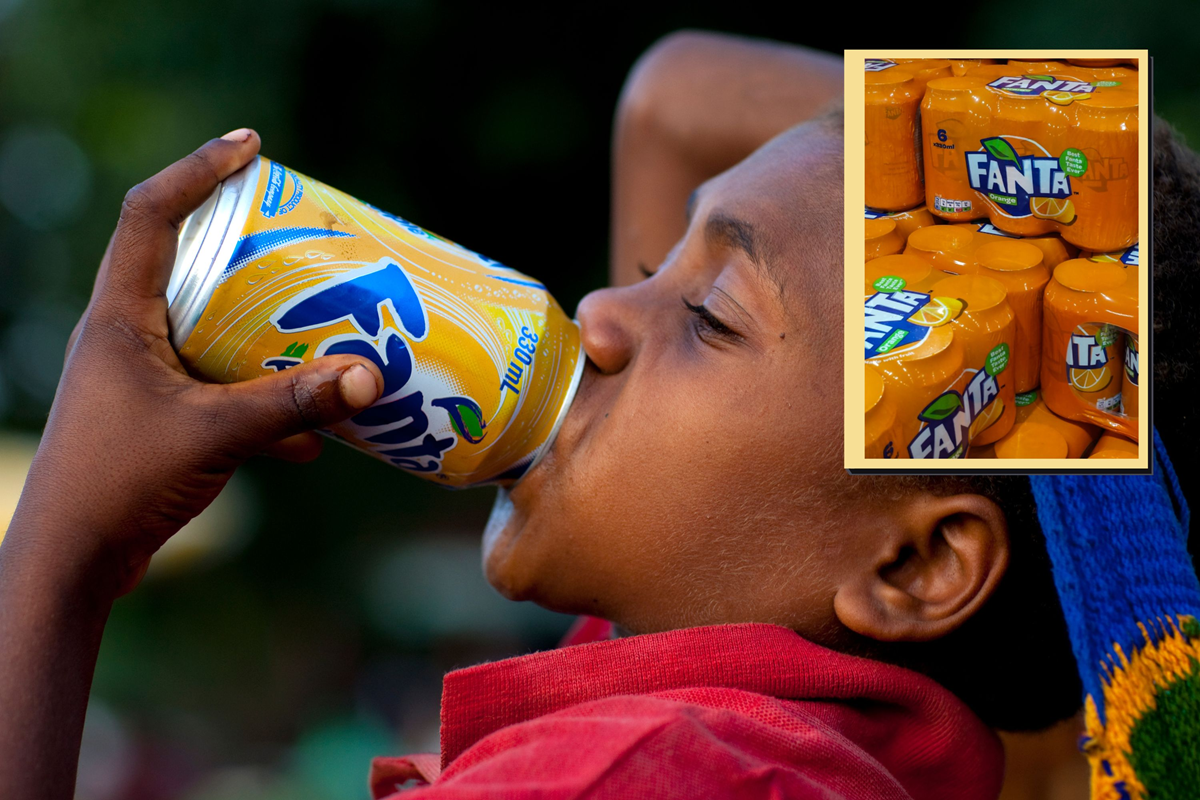
There's a significant difference in the sugar levels of Fanta sold in India and the UK. Learn about the relationship between market demand, taste preferences, and the health effects of excess sugar.
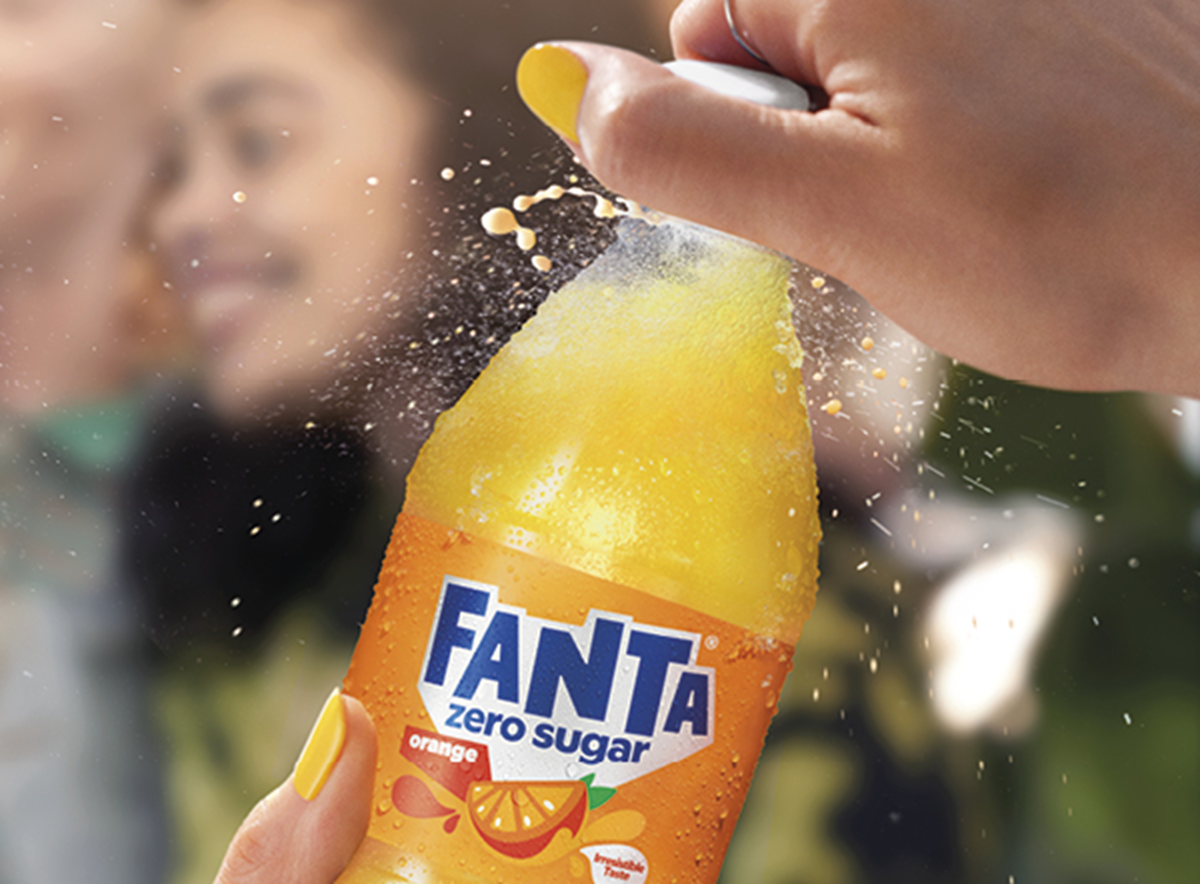
Fanta Drink: There's been a debate on social media about the nutritional labels of Fanta available in India and Fanta sold in the UK. Despite being the same brand, the recipe and sugar content can differ in both countries. Indian Fanta contains approximately 13.7 grams of sugar per 100 ml, while UK Fanta Orange contains approximately 4.5 grams. This means the Indian variant has nearly three times the sugar content.
Why is there such a big difference between Fanta in India and the UK?
It wouldn't be fair to consider Fanta sold in India and the UK to be the same formula. Companies in different countries tailor their product recipes based on local markets, consumer preferences, tastes, taxes, regulations, and available ingredients. Indian Fanta contains 13.7 grams of sugar per 100 ml, while UK Fanta Orange contains 4.5 grams of sugar and sweeteners. This doesn't mean UK Fanta is completely healthy. It's also a sweet carbonated drink. The main difference is the sugar content. For example, 500 ml of Indian Fanta may contain approximately 68.5 grams of sugar, while the same amount of UK Fanta Orange will contain approximately 22.5 grams. Therefore, it's important to read labels for quantities.
The formula is linked to the needs of the market and the preferences of the people.
The formula for any packaged beverage isn't solely based on taste. Companies need to consider consumer preferences, pricing, regulations, and competition in different markets. India has a large market for sweet and strong-tasting soft drinks, so taste and consumer demand can also influence product composition.
However, there's also a growing demand for low- and zero-sugar options. In the UK, options like Fanta Orange Zero are available, which contain significantly less sugar than regular Fanta. In India, too, with growing consumer awareness about health and nutrition, demand for low-sugar options is becoming increasingly important. This is why, when comparing products from one country to another, one should consider not just price or taste, but also nutrition labels and serving sizes.
How harmful is excess sugar for the body?
Regular and excessive consumption of high-sugar drinks can contribute to excess calories. The World Health Organization recommends limiting free sugar intake to less than 10% of total daily energy, and reducing it to below 5% may provide additional health benefits.
According to the WHO, high free sugar intake is associated with weight gain, obesity, and an increased risk of dental cavities. Consuming sugary beverages frequently can therefore be a cause for concern, especially if a person is also consuming sugar throughout the day from tea, sweets, biscuits, and other sweetened foods.
It's not accurate to say that drinking Indian Fanta will cause someone "three times more disease." The threefold difference here is in the sugar content, not in the risk of disease. The real risk depends on the quantity and frequency of such drinks. Daily high consumption is more concerning than occasional moderate consumption.