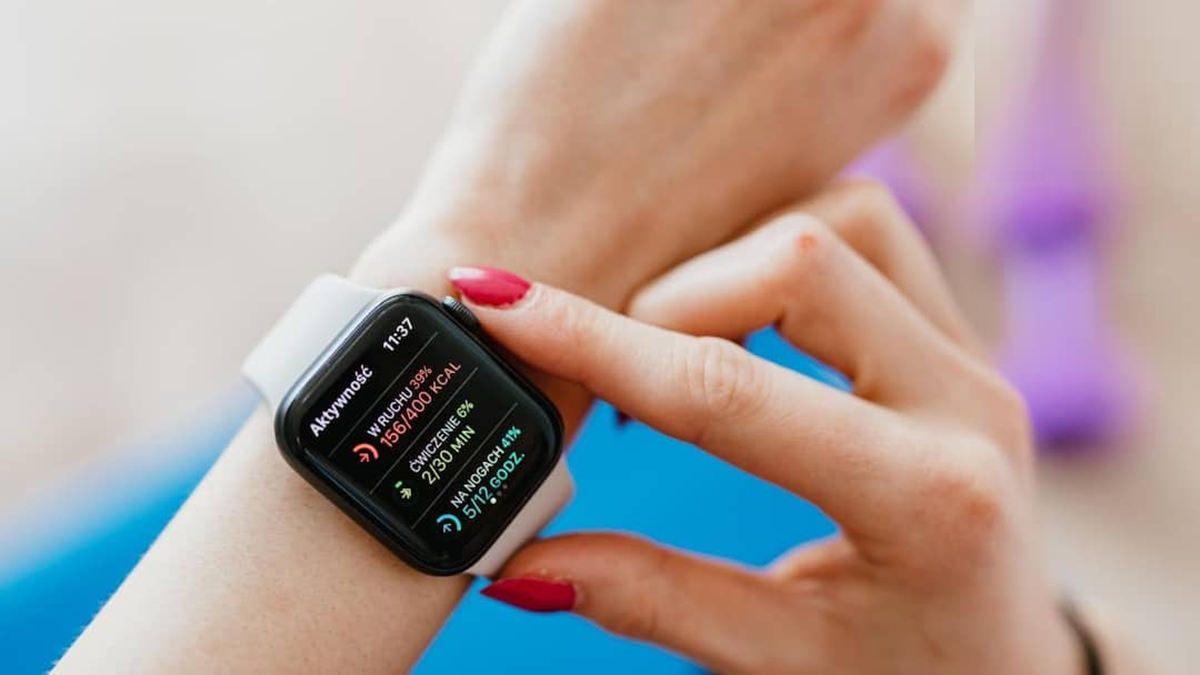
Smartwatch health numbers aren't always 100% accurate. Heart rate, calories, and other metrics are often algorithmically estimated. Learn the real truth about these readings.
(How accurate is the data in a smartwatch)
Today, smartwatches are no longer just devices for checking the time. Advanced smartwatches offer a host of features that prove extremely beneficial to users. They display various information on your wrist, such as heart rate, step count, sleep, exercise, calories, and even recovery. However, not every number displayed on the screen is necessarily a direct measurement from the body.
Many figures are just estimates.
According to media reports, researchers at the University of Michigan say that many of the health data obtained from smartwatches are actually estimates prepared with the help of signals received from sensors and computer algorithms.
The scientists said it's important for people to understand what the watch is measuring directly and what results are being calculated based on different data. The findings of this study were published in the journal Sensors.
How do sensors gather information?
It's worth noting that various sensors in smartwatches pick up signals from the body and surrounding environment. For example, optical sensors shine light on the skin to detect changes in blood flow in the wrist. Based on this data, heart rate is estimated.
Similarly, motion sensors detect body movement, while GPS provides information such as distance, location, and speed when walking or running outdoors. The watch's software then processes these signals and displays various statistics on the screen.
Which data should be trusted more?
Not every smartwatch feature is equally accurate. Generally, simpler metrics like resting heart rate, heart rate during continuous exercise, step count, and pace for outdoor activity can be more reliable.
In contrast, more complex results like calorie burn, sleep patterns, body hydration, recovery, and body composition rely on a variety of data and estimates, so it's not always accurate to assume they're accurate.
Why does the same person get different numbers?
In fact, many external factors can affect a smartwatch's readings. Loosening the watch, excessive hand movement, sweat, temperature, tattoos, skin color, and body composition can all affect the sensor's results.
Additionally, different companies use different sensors, technologies, and their own algorithms. This is why two watches from different brands can display different readings for the same person.
Keep an eye on the trend.
According to scientists, smartwatches are best used to understand long-term changes. For example, consistent changes over several days or weeks are more important than a single day's heart rate deviation from normal. Similarly, long-term monitoring of heart rate patterns during sleep, daily activity, or resting conditions is more effective.