LIFESTYLE
Heatwave Alert: Extreme Temperatures Can Harm Kidneys and Brain—Watch for These Warning Signs
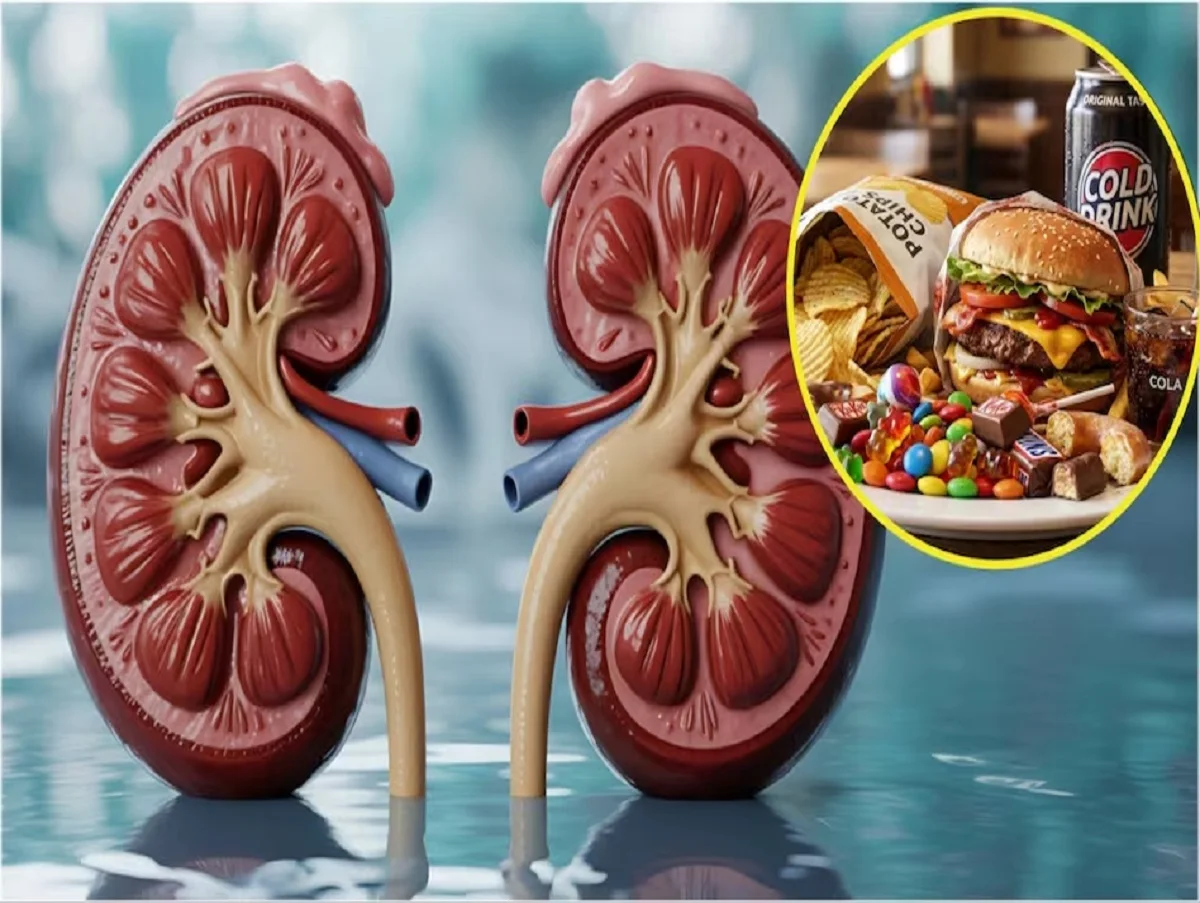
As temperatures continue to soar across large parts of India, health experts are warning that the effects of extreme heat extend far beyond discomfort and sunburn. In many northern states, temperatures have crossed 45°C, increasing the risk of serious heat-related illnesses that can affect vital organs, including the kidneys and brain.
While most people associate heatwaves with dehydration and fatigue, prolonged exposure to excessive heat can lead to severe health complications if preventive measures are not taken. Doctors advise people to remain vigilant, stay hydrated, and recognize the early symptoms of heat-related conditions before they become dangerous.
How Extreme Heat Affects the Kidneys
One of the most significant dangers during a heatwave is dehydration. When the body is exposed to high temperatures, it loses large amounts of water and essential minerals through sweating.
If these fluids are not replaced, the body begins to experience dehydration, forcing the kidneys to work harder to maintain normal bodily functions.
The kidneys play a critical role in filtering waste products and maintaining fluid balance. When dehydration occurs, blood flow to the kidneys may decrease, affecting their ability to function efficiently.
Potential Effects on Kidney Health
- Increased strain on the kidneys
- Reduced ability to remove toxins from the body
- Lower urine production
- Dark-colored urine, a common sign of dehydration
- Higher risk of acute kidney injury in severe cases
Health specialists warn that prolonged dehydration can significantly increase the likelihood of kidney-related complications, particularly among older adults, outdoor workers, and people with pre-existing medical conditions.
To reduce the risk, experts recommend drinking water regularly throughout the day, even if you do not feel thirsty.
Heatwaves Can Also Impact Brain Function
The brain is highly sensitive to changes in body temperature. Excessive heat can interfere with the body's cooling mechanisms and affect normal blood circulation and oxygen delivery.
When the body struggles to regulate its temperature, neurological symptoms may begin to appear.
Common Signs of Heat-Related Brain Stress
- Dizziness
- Persistent headaches
- Weakness
- Extreme fatigue
- Difficulty concentrating
- Confusion or disorientation
These symptoms should never be ignored, especially during periods of extreme heat.
If left untreated, the condition may progress to heatstroke, a life-threatening medical emergency that requires immediate attention.
Understanding Heatstroke
Heatstroke occurs when the body's temperature regulation system fails and body temperature rises to dangerously high levels.
Unlike mild heat exhaustion, heatstroke can cause severe damage to organs, including the brain, kidneys, heart, and muscles.
Symptoms of Heatstroke May Include
- High body temperature
- Severe confusion
- Slurred speech
- Loss of consciousness
- Seizures
- Rapid heartbeat
- Hot and dry skin
Without prompt medical treatment, heatstroke can lead to permanent organ damage and, in some cases, death.
Warning Signs That Require Immediate Medical Attention
Doctors emphasize that certain symptoms should be treated as urgent warning signals.
Seek medical help immediately if a person experiences:
- High fever during hot weather
- Severe or persistent headache
- Repeated vomiting
- Difficulty breathing
- Intense dizziness
- Mental confusion
- Sudden fainting
- Difficulty speaking or responding normally
These signs may indicate serious heat-related illness and should not be ignored.
Who Is Most at Risk?
Although anyone can be affected by extreme heat, some groups face a greater risk of complications.
These include:
- Elderly individuals
- Young children
- Outdoor laborers
- Athletes
- People with kidney disease
- Patients with heart conditions
- Individuals taking medications that affect hydration
Extra precautions are recommended for these groups during heatwave conditions.
Tips to Stay Safe During a Heatwave
To protect yourself from heat-related illnesses, health experts recommend:
- Drinking water frequently throughout the day
- Avoiding direct sunlight during peak afternoon hours
- Wearing lightweight and breathable clothing
- Consuming fruits and foods with high water content
- Avoiding excessive caffeine and alcohol
- Taking regular breaks if working outdoors
- Staying in cool, shaded, or air-conditioned environments whenever possible
The Bottom Line
Heatwaves are more than just a seasonal inconvenience. Prolonged exposure to extreme temperatures can place serious stress on the kidneys, disrupt brain function, and lead to potentially life-threatening conditions such as heatstroke.
Recognizing the early warning signs and staying properly hydrated are among the most effective ways to protect your health. As temperatures continue to rise across many parts of the country, taking preventive measures can make a critical difference in avoiding heat-related medical emergencies.