LIFESTYLE
H1N1 Flu Cases Raise Concern: Know How It Spreads, Warning Signs and Ways to Stay Protected
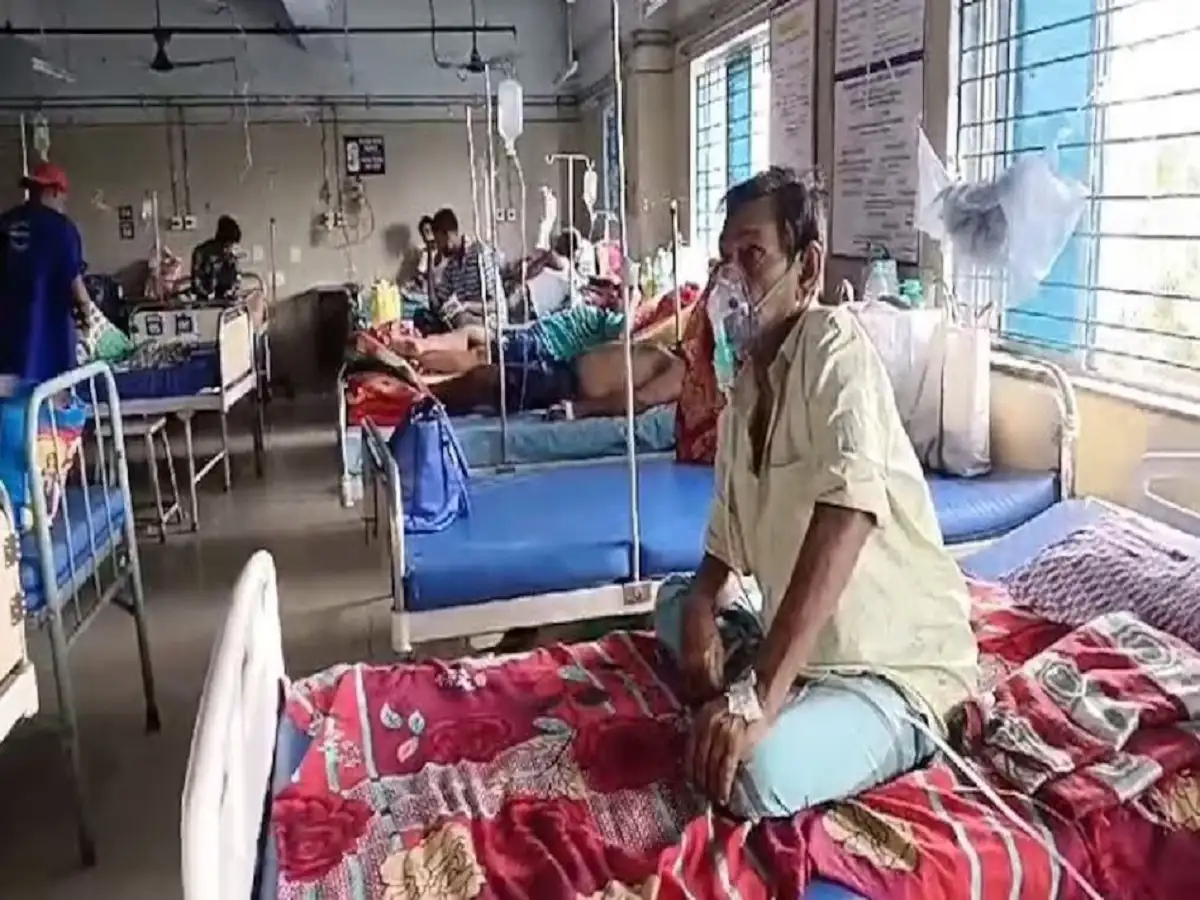
Concerns over H1N1 influenza, commonly known as swine flu, have once again brought seasonal respiratory infections into focus in India. With reports of infections emerging from different parts of the country, awareness about transmission, symptoms and preventive measures can help people reduce their risk and recognize when medical attention may be necessary.
Swine flu is a respiratory illness caused by an influenza A(H1N1) virus. Although the term “swine flu” is still widely used, the H1N1 virus responsible for human infections has circulated seasonally for years and is now considered one of the viruses that can cause seasonal influenza.
As with other forms of influenza, most people recover with appropriate rest and care. However, the infection can sometimes lead to complications, particularly among people who are more vulnerable to severe flu.
How Does H1N1 Flu Spread From One Person to Another?
H1N1 primarily spreads through respiratory particles released by an infected person. When someone with influenza coughs, sneezes, talks or breathes, virus-containing droplets and smaller particles can enter the surrounding air and potentially infect people nearby.
Transmission may also occur when a person touches a surface contaminated with respiratory secretions and subsequently touches their eyes, nose or mouth. This makes regular hand hygiene particularly useful during periods when respiratory illnesses are circulating.
An important point is that influenza can sometimes spread even before a person realizes they are ill. An infected individual may be contagious roughly a day before noticeable symptoms begin. Some people, including young children and those with weakened immune systems, may remain infectious for longer.
H1N1 is not contracted simply by eating properly prepared pork or pork products.
Common Symptoms of H1N1 Infection
Symptoms of H1N1 can resemble those of seasonal flu, making it difficult to distinguish between different influenza infections based on symptoms alone.
A person may experience fever or chills, cough, sore throat, runny or blocked nose, headache, fatigue, muscle or body aches. Some patients may also experience vomiting or diarrhoea, although these symptoms are not present in every case.
The severity of illness can vary significantly. While one person may experience relatively mild symptoms and recover at home, another may require medical evaluation because of worsening respiratory problems or underlying health conditions.
Everyday Measures That May Lower the Risk of Infection
Simple hygiene and respiratory precautions can help reduce the spread of influenza viruses.
Wash your hands thoroughly with soap and water for at least 20 seconds, particularly after coughing, sneezing or returning home from crowded places. When soap and water are unavailable, an appropriate alcohol-based hand sanitizer can be useful.
Cover the nose and mouth with a tissue when coughing or sneezing and dispose of the tissue safely. If a tissue is unavailable, coughing or sneezing into the inside of the elbow is preferable to using the hands.
Avoid repeatedly touching the eyes, nose and mouth with unwashed hands. Frequently touched objects and surfaces at home or work should also be kept clean.
People experiencing flu-like symptoms should, where possible, limit close contact with others and stay home while unwell. Maintaining some distance from people who are visibly sick may also help lower exposure.
Can Flu Vaccination Help Against H1N1?
Seasonal influenza vaccines are designed to protect against influenza strains expected to circulate during a particular season, and H1N1 is typically among the influenza A components covered by seasonal vaccines.
People considering vaccination should discuss the appropriate timing and vaccine recommendations with a qualified healthcare professional, particularly if they belong to a group at increased risk of complications.
Vaccination does not mean a person can completely ignore other preventive measures. Hand hygiene, cough etiquette and avoiding unnecessary close contact while sick remain useful ways to limit transmission.
Warning Signs That Should Not Be Ignored
Although many flu infections can be managed without complications, certain symptoms require prompt medical attention.
Difficulty breathing or shortness of breath, persistent chest pain or pressure, severe weakness, persistent dizziness, confusion, dehydration or intense muscle pain can indicate that an illness needs urgent medical assessment.
Symptoms that initially improve but later return or worsen should also not be dismissed.
People living with conditions such as asthma, diabetes, heart disease or other chronic illnesses should seek medical guidance promptly if they develop significant flu symptoms, as underlying conditions may increase the possibility of complications.
Pregnant women should also contact a healthcare professional if they develop influenza-like symptoms because pregnancy can increase the risk of severe illness from influenza.
Watch Carefully for Severe Symptoms in Children
Parents and caregivers should pay particular attention to breathing difficulties in children. Fast or laboured breathing, bluish or unusually pale skin or lips, severe dehydration, unusual drowsiness or inability to interact normally can require immediate medical evaluation.
A child who is unable to drink enough fluids, develops severe pain, has seizures or appears seriously unwell should receive medical attention without delay.
Awareness Remains an Important Line of Defence
H1N1 should be taken seriously, but there is no need for unnecessary panic. Understanding how influenza spreads and following basic preventive practices can significantly improve preparedness during periods of increased respiratory illness.
Regular handwashing, responsible cough and sneeze etiquette, staying away from others when sick and seeking timely medical advice for severe symptoms are practical steps individuals can take.
Anyone who develops worsening symptoms or belongs to a higher-risk group should avoid relying solely on home remedies or self-medication. A qualified healthcare professional can determine whether testing, antiviral treatment or additional medical care is appropriate based on the person's symptoms and health condition.