Business
Gold Silver Price Today: Gold Jumps ₹2,790, Silver Surges ₹10,100 in a Day; Check Latest Rates
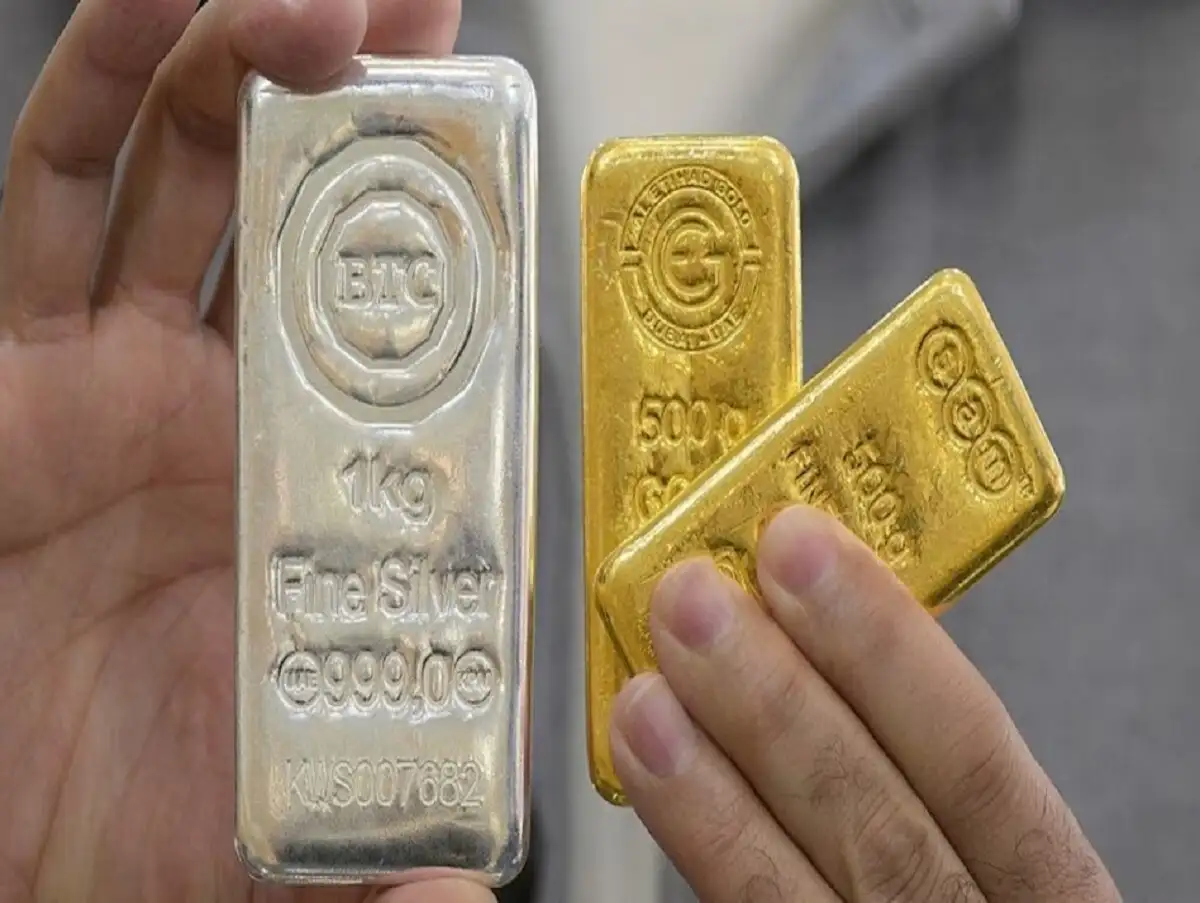
Gold Silver Price Today: Gold and silver prices have moved sharply higher, making precious metals more expensive for both jewellery buyers and investors. According to the rates provided, 24-carat gold rose by ₹2,790 per 10 grams, while 22-carat gold became ₹2,360 costlier. Silver recorded an even steeper increase of ₹10,100 per kilogram.
The sharp movement means anyone planning to purchase jewellery, coins, bars or silver articles should check the latest local bullion rates before making a transaction. Gold and silver prices can change frequently depending on domestic as well as global market conditions.
24-Carat Gold Price Rises ₹2,790
The price of 24-carat gold witnessed a significant increase between August 10 and August 11.
| Date | 24-Carat Gold Price (10 grams) |
|---|---|
| August 10 | ₹1,52,340 |
| August 11 | ₹1,55,130 |
| Increase | ₹2,790 |
This means buyers had to pay ₹2,790 more for every 10 grams of 24-carat gold compared with the previous quoted rate.
The rise is particularly important for investors who purchase high-purity gold in the form of coins, bars or other investment products.
22-Carat Gold Also Becomes Costlier
The price of 22-carat gold, which is widely used for jewellery, also registered a notable increase.
| Date | 22-Carat Gold Price (10 grams) |
|---|---|
| August 10 | ₹1,39,840 |
| August 11 | ₹1,42,200 |
| Increase | ₹2,360 |
The price therefore increased by ₹2,360 per 10 grams in a day.
For jewellery buyers, the actual amount payable at a store can be higher than the quoted bullion rate because making charges, applicable taxes and other charges may be added to the final bill.
Silver Price Surges ₹10,100 Per Kg
Silver recorded a much sharper move. According to the given rates, the metal jumped by more than ₹10,000 per kilogram.
| Date | Silver Price (1 kg) |
|---|---|
| August 10 | ₹2,44,900 |
| August 11 | ₹2,55,000 |
| Increase | ₹10,100 |
The ₹10,100 per kg increase can have a direct impact on consumers planning to purchase silver jewellery, utensils, coins, bars or other silver products.
Silver is also widely used for industrial purposes, meaning its price can be influenced by both investment demand and changes in industrial consumption.
Gold and Silver Price Change at a Glance
The latest movement can be summarised as follows:
| Precious Metal | Previous Rate | Latest Rate | Increase |
|---|---|---|---|
| 24K Gold (10g) | ₹1,52,340 | ₹1,55,130 | ₹2,790 |
| 22K Gold (10g) | ₹1,39,840 | ₹1,42,200 | ₹2,360 |
| Silver (1 kg) | ₹2,44,900 | ₹2,55,000 | ₹10,100 |
Silver recorded the biggest absolute increase among the three categories, although buyers should remember that gold and silver are quoted in different units.
Why Are Gold and Silver Prices Changing?
Precious-metal prices are influenced by several domestic and international factors. One of the most important is movement in international bullion markets. If global gold or silver prices rise, domestic prices can also move higher.
The US dollar and rupee exchange rate is another key factor. India imports a significant amount of its gold requirement, so changes in the value of the rupee against the dollar can influence domestic prices.
Global economic uncertainty can also affect demand. During periods of geopolitical or financial stress, investors often increase their exposure to assets such as gold, which is traditionally viewed as a store of value.
Silver behaves somewhat differently because it has significant industrial applications in addition to its role as an investment and jewellery metal.
Global Uncertainty Can Boost Safe-Haven Demand
Gold tends to attract greater investor interest when uncertainty increases in global financial markets. Concerns over inflation, interest rates, geopolitical tensions or economic growth can influence demand for the yellow metal.
Expectations surrounding interest-rate decisions by major central banks can also affect bullion prices. Changes in bond yields and the US dollar may alter the relative attractiveness of holding non-interest-bearing assets such as gold.
However, these relationships are not always straightforward, and prices can move sharply in either direction.
Why Silver Can Be More Volatile Than Gold
Silver prices can sometimes experience larger percentage swings than gold because the market is smaller and the metal has significant industrial demand.
Silver is used across sectors including electronics, solar-energy equipment and various industrial applications. Consequently, expectations about industrial growth can affect its price alongside traditional investment demand.
A combination of strong investment interest and industrial consumption can therefore result in sharp price movements.
Jewellery Buyers Should Check the Final Price
The headline gold rate is not necessarily the amount consumers ultimately pay at a jewellery store.
The final cost of jewellery can include the prevailing gold value, making charges, applicable taxes and other charges. Prices may also differ slightly across cities and jewellers.
Consumers should therefore check the per-gram rate, purity, hallmarking details, making charges and final invoice amount before completing a purchase.
Should You Buy After the Price Increase?
A sharp one-day rise does not necessarily indicate where gold or silver prices will move next. Precious metals can remain volatile depending on currency movements, global economic developments, interest-rate expectations and investor sentiment.
Those purchasing gold for jewellery or personal use may want to compare rates across sellers and focus on purity and total cost. Investors, meanwhile, should evaluate precious metals in the context of their overall financial goals, time horizon and risk tolerance rather than making decisions solely on a single day's price movement.
Disclaimer: The prices mentioned above are based on the figures provided and may differ from live market or local jewellery rates. Gold and silver prices fluctuate, and buyers should verify the latest rate before making a purchase or investment decision.