Business
Global Sugar Prices Rise as Supply Concerns Grow, Brazil and Weather Conditions Add Pressure
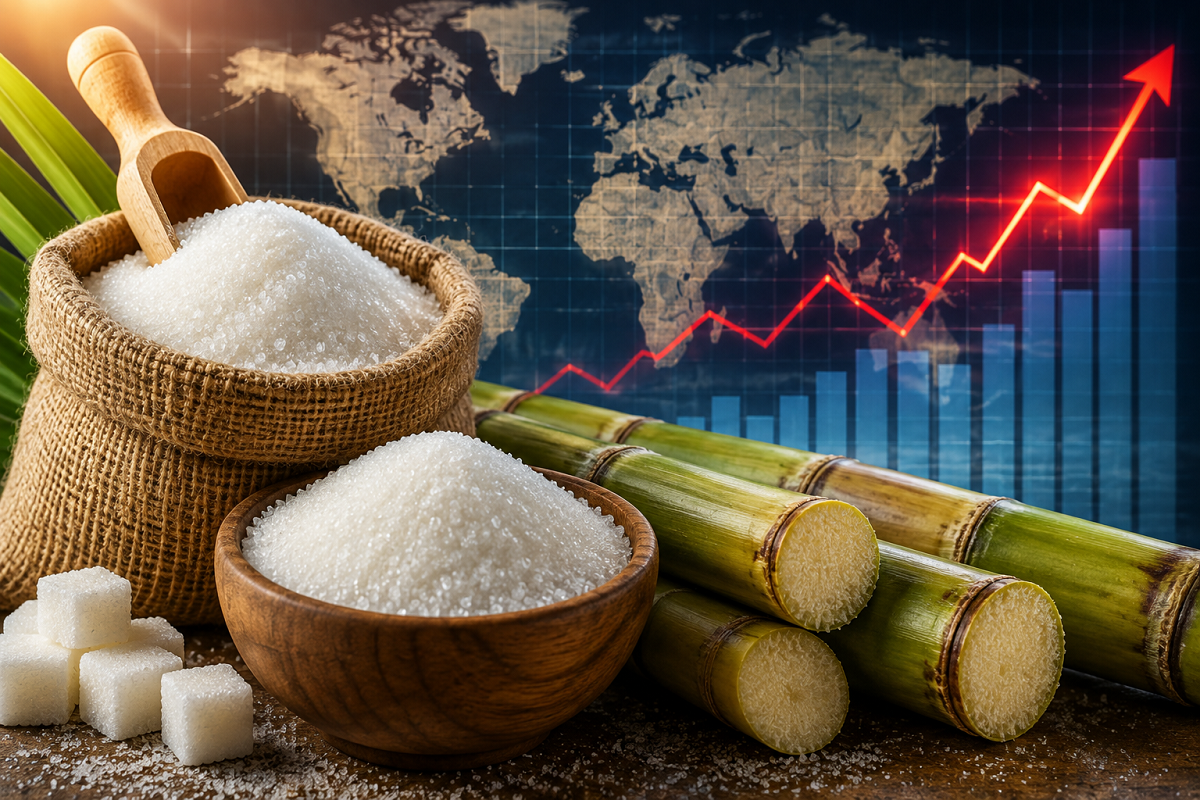
Sugar prices are rising not only in India but across several international markets, raising concerns about a possible tightening of global supplies. The latest pressure on the commodity is being linked mainly to developments in Brazil, the world’s largest sugar producer, along with unfavourable weather conditions affecting crop output in key producing regions.
Market participants are closely watching production trends because even a small disruption in major exporting countries can quickly influence international prices. Since sugar is widely used by households as well as food and beverage companies, a prolonged rise in prices could eventually affect consumers, manufacturers and import-dependent countries.
Why Are Sugar Prices Rising Globally?
The current increase in sugar prices is being driven by concerns over whether global production will be enough to comfortably meet demand.
Brazil plays a major role in the international sugar market. Any change in its production, exports or use of sugarcane for ethanol can influence global availability.
Weather is another important factor. Excessive rainfall, drought, unusual temperatures or delayed harvesting can affect both the quantity and quality of sugarcane. When crop expectations weaken, traders often anticipate tighter supplies, which can push prices higher.
The combination of uncertainty surrounding Brazil and unstable weather conditions has therefore increased volatility in the global sugar market.
Brazil’s Role Is Crucial for the Sugar Market
Brazil is one of the most influential countries in the global sugar trade. A large portion of internationally traded sugar originates there, which means developments in the Brazilian crop can have an immediate impact on benchmark prices.
Sugar mills in Brazil also have the flexibility to use sugarcane for either sugar production or ethanol. If more cane is diverted towards ethanol because of favourable fuel economics, the quantity available for sugar production may decline.
This relationship between sugar and ethanol makes Brazil’s production decisions especially important for global buyers.
If sugar output falls below expectations, countries dependent on imports may be forced to compete for limited supplies, potentially pushing international prices even higher.
Weather Adds Another Layer of Uncertainty
Agricultural commodities are highly sensitive to weather, and sugar is no exception.
Sugarcane requires suitable rainfall and temperature conditions over a long growing period. Too little rain can reduce yields, while excessive rainfall can delay harvesting and affect sugar recovery levels.
Unpredictable weather patterns have therefore become a major concern for producers and traders. If adverse conditions continue in major sugar-producing regions, production estimates could be revised downward.
Such revisions generally strengthen expectations of tighter global supply.
Why India Is Also Watching the Situation Closely
India is one of the world’s largest producers and consumers of sugar. Domestic prices are influenced mainly by local production and demand, but global market movements can still have an impact.
If international prices remain elevated, exports may become more attractive for producers, while any domestic supply pressure can create concerns over local availability.
At the same time, government policies related to exports, imports, ethanol blending and stock management can influence how global developments affect Indian consumers.
The festive season is another factor because demand for sugar traditionally increases during periods of higher consumption by households, sweet manufacturers and food businesses.
Could Consumers Face Higher Prices?
If global supply concerns persist, consumers could face continued pressure on retail sugar prices.
Higher raw material costs can also affect industries that use sugar in large quantities, including confectionery, bakery products, beverages, dairy products and packaged foods.
However, the final impact on retail prices will depend on several factors, including domestic production, inventories, government intervention and international market trends.
A temporary rise in global prices does not necessarily mean a long-term shortage, but sustained production problems could make the situation more challenging.
What Could Bring Prices Down?
Sugar prices could ease if production improves in Brazil and other major producing countries.
Favourable weather during the remaining crop season would also help reduce supply concerns. Better-than-expected harvests, increased exports or weaker demand could put downward pressure on international prices.
Government measures by major producing and consuming countries may also influence the market.
For now, traders are expected to continue monitoring crop forecasts, weather conditions and production decisions in Brazil.
Global Sugar Market Remains Under Watch
The latest rise in sugar prices highlights how dependent the international market is on a relatively small number of major producers.
Brazil remains at the centre of the current supply concerns, while unpredictable weather is adding further uncertainty. For India and other large consuming countries, developments in the coming weeks could determine whether the current price pressure is temporary or becomes a more sustained trend.
Consumers may therefore need to keep an eye on retail prices, while businesses dependent on sugar are likely to closely track global production and supply developments.