NEWS
Flight tickets set to get more expensive ahead of Chhath-Diwali, ATF prices rise for the third consecutive month.
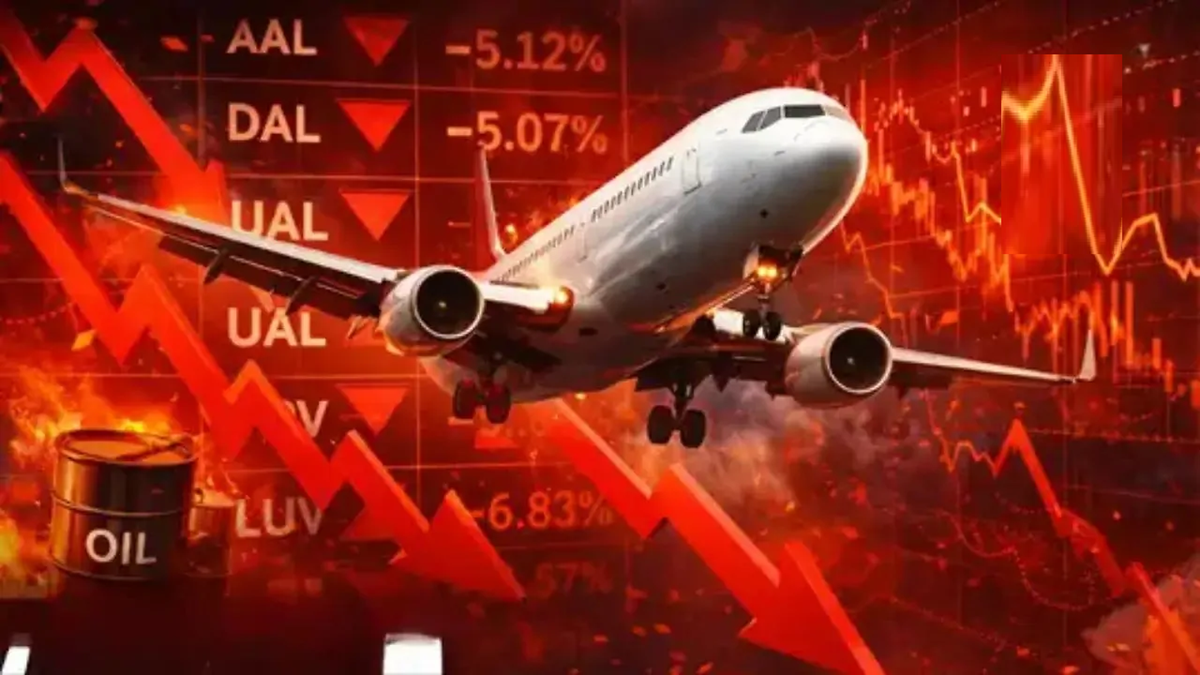
Ahead of the festival season, people's problems seem to be increasing. ATF prices have once again risen by 13.22 percent. It's worth noting that this isn't the first time ATF has become more expensive for the third consecutive month.
ATF Price Hike: Jet fuel becomes costlier, hiked by 13.22 percent
Just before the festive season, there's some bad news for air travelers. ATF, the price of aviation fuel for domestic airlines, has become more expensive for the third consecutive month. This time, the price of ATF has increased by 13.22 percent. A liter of ATF is now costlier by approximately 16 rupees.
It's worth noting that the price was originally ₹121.28 per liter, which has now risen to approximately ₹137 per liter. The question is how and to what extent this will affect the average passenger's ticket.
ATF prices have risen by ₹27 in three months
. ATF prices for domestic airlines were reduced by ₹5 in July to ₹110 per liter. This was followed by a further ₹5 increase in August to ₹115. In September, the price increased by ₹6.28, reaching ₹121.28.
Now, after an increase of about Rs 16 in October, it has become around Rs 137 per liter, which means that in just three months, ATF has become costlier by about Rs 27 per liter.
What is ATF and why is it important?
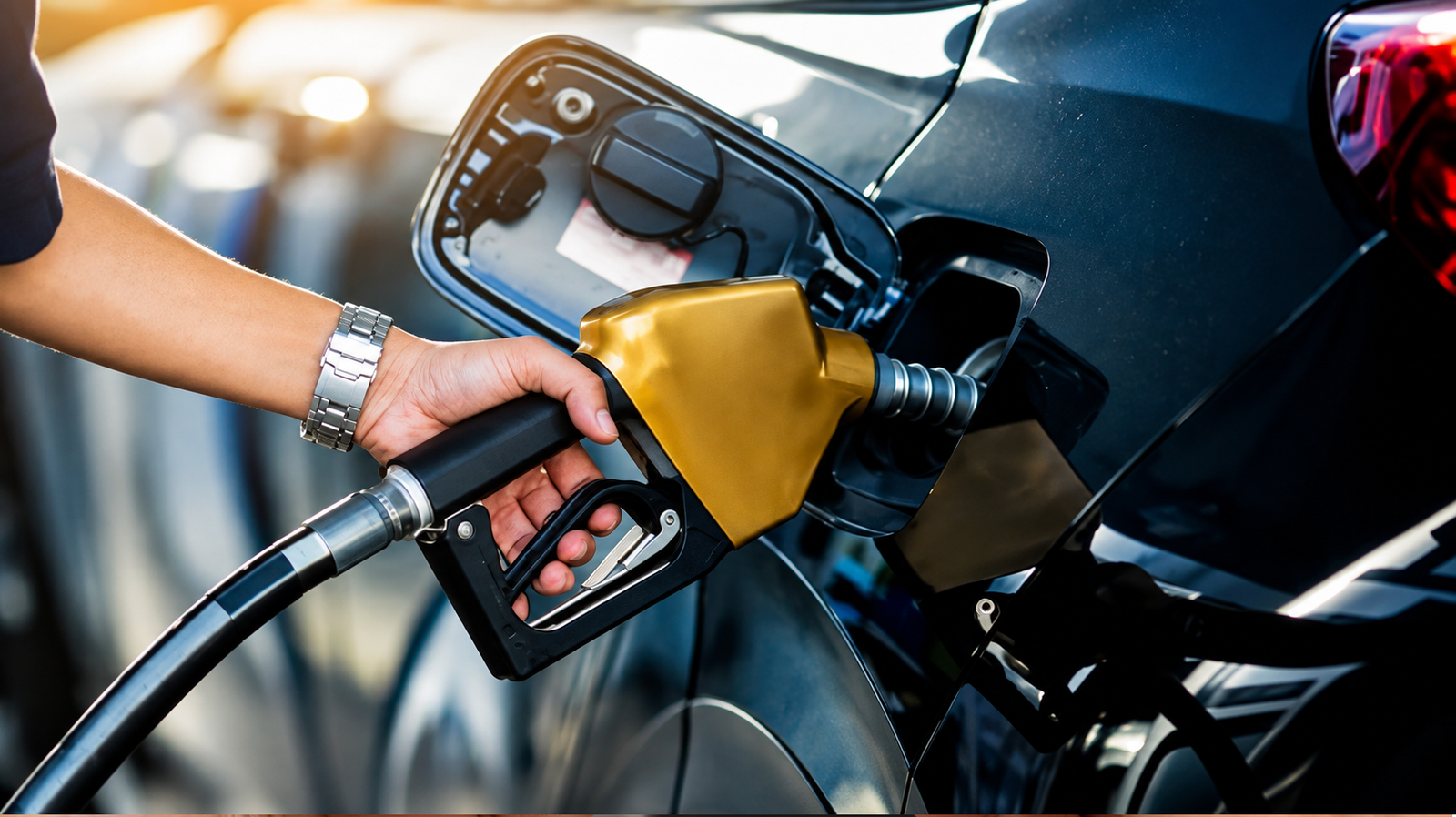
ATF, or Aviation Turbine Fuel, is the fuel that powers airplanes. Just as petrol and diesel are essential for vehicles, ATF is essential for ships. Flights are impossible without it. Therefore, whenever ATF prices change, it directly impacts airline expenses.
What is an airline's biggest expense?
Operating an airline requires numerous expenses, including pilot and crew salaries, aircraft rental, maintenance, airport charges, and fuel. Fuel accounts for the largest portion of these costs. In India, ATF alone accounts for approximately 35 to 40 percent of an airline's total operating expenses. This means that if fuel becomes expensive, the airline's entire financial situation is disrupted.
How much has the cost of a single flight increased?
Let's take a rough estimate. A typical aircraft, such as an Airbus A320, uses approximately 5,000 to 6,000 liters of fuel for a two-hour flight from Delhi to Mumbai. If you pay ₹16 more per liter, the cost of just one flight increases by approximately ₹80,000 to ₹96,000.
Such a plane has approximately 180 seats. If approximately 150 passengers are traveling, each passenger's fuel cost would be approximately 500 to 650 rupees. This is just an estimate. The actual figure depends on the model of the plane, the route, the weather, and the number of passengers. This burden can be even greater on long-haul flights.
How are tickets burdened?
Airlines can pass this increased cost on to passengers in several ways. The first is to directly increase the base fare. The second is to add a separate fuel charge to the ticket. The third is to reduce the number of seats with lower ticket prices so that passengers can only get higher-priced tickets.
This has happened before. In 2023, when ATF prices rose for several consecutive months, IndiGo imposed a fuel charge ranging from ₹300 to ₹1,000, depending on the distance, on tickets starting October 6, 2023. Airlines may take similar action this time, although no airline has yet announced a fare hike or a fuel charge. Experts also say that fares don't necessarily increase by the same percentage as ATF prices increase. Airlines determine fares based on market competition and passenger demand.
October and November are the
months of major festivals like Dussehra, Durga Puja, Diwali, and Chhath. During these months, a large number of people travel by air to return home.
Fares are already high these days due to high demand. Now, fuel prices are likely to exacerbate this burden. Especially on routes like Patna, Lucknow , Kolkata, and Guwahati, which are particularly crowded during the festive season, fares could see a sharp increase.
Why are prices rising?
Since tensions escalated in West Asia earlier this year, international crude oil and jet fuel prices have fluctuated significantly. India imports most of its crude oil, so this directly impacts fuel prices here. The rupee's value against the dollar also plays a significant role.
Keeping this fluctuation in mind, this year the price of ATF for domestic airlines is being released at a fixed national rate.
In April, the government had decided to limit the increase in ATF for domestic flights, which was welcomed by airlines like Air India, IndiGo and Akasa, but the continuous increase in the last three months has again increased the concerns of the airlines.
There's also a tax burden.
The central government levies excise duty on ATF, which is determined by the fuel price. The more expensive the fuel, the higher the tax. Airlines have long demanded that ATF be brought under the GST ambit to reduce the tax burden.
What should travelers do?
Those planning to travel during the festive season are better off booking tickets early. Last-minute bookings can result in significantly higher fares. It's also helpful to compare fares for different airlines and dates. If your travel dates are a little flexible, midweek tickets are often cheaper.