LIFESTYLE
Flight Attendants' Cancer Risk: Are pilots and air hostesses at higher risk? New study raises concerns
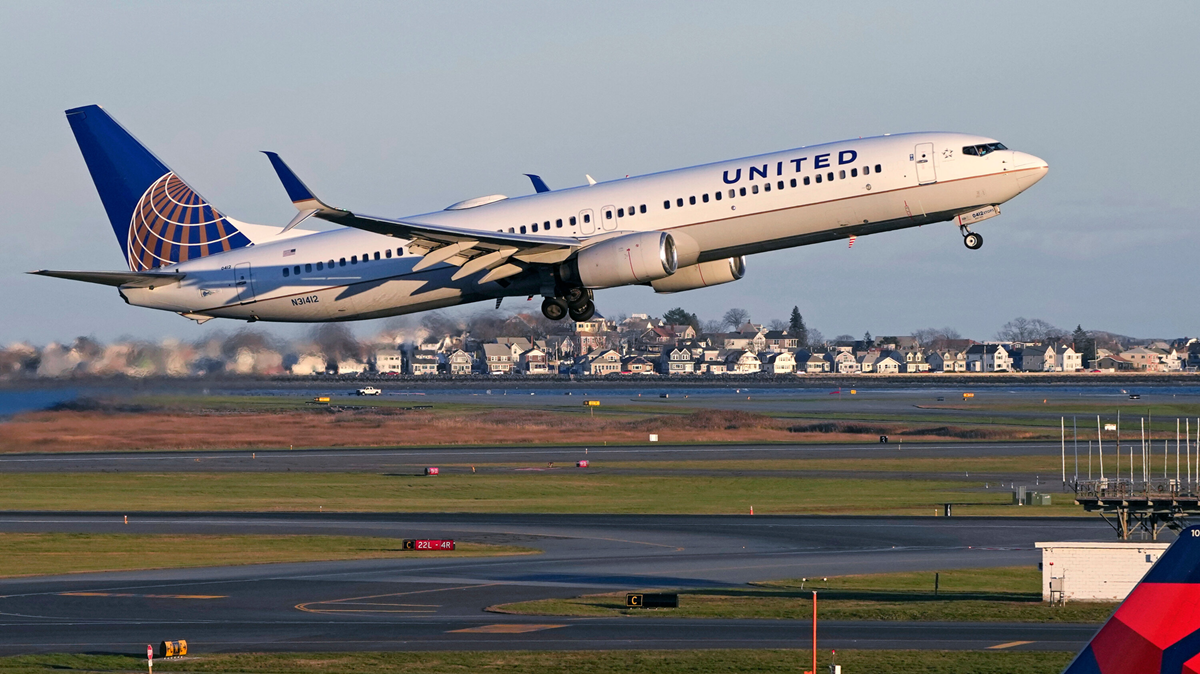
Flight Attendants' Health Risks: Researchers analyzed data related to death certificates of about 12.7 million deaths that occurred in the US between 2020 and 2024.

Cancer risk research in pilots and flight attendants
Pilot and Flight Attendant Cancer Risk Study: Pilots and flight attendants who spend thousands of hours in the sky may face a long-term risk, which has now raised concerns due to new research. A study has found that flight attendants and pilots had the highest proportion of deaths due to radiation-related cancer compared to more than 500 different professions. Researchers have seen long-term exposure to cosmic radiation during flight as a possible reason behind this. This study was done by researchers from Harvard Medical School, and its findings have been published in JAMA Internal Medicine.
Data of more than 1.27 crore people was analyzed.
Researchers analyzed death certificate data from approximately 12.7 million deaths in the United States between 2020 and 2024. They included 503 different occupations and compared cancer deaths that could be linked to radiation exposure. Flight attendants ranked first in the study, while pilots ranked second. Both occupations had a higher proportion of deaths from radiation-related cancers than many other occupations studied, including some involved in nuclear medicine.
According to the researchers, flight attendants had a nearly 50 percent higher risk of death from radiation-related cancers compared to other occupations. Pilots had a 36 percent higher risk, however. Importantly, the study found that aircrew did not have unusually high rates of cancer overall. For cancers not considered radiation-related, pilots and flight attendants had rates close to those of other occupations studied.
Why is cosmic radiation a concern during flight?
The biggest concern raised in this study is cosmic radiation. The Earth's atmosphere provides considerable protection from high-energy particles from space. However, this protection diminishes as altitude increases. At the altitudes at which commercial flights fly, exposure to cosmic radiation can be higher than at the ground level. Pilots and flight attendants spend thousands of hours at these altitudes throughout their careers, so scientists are monitoring their total exposure.
This exposure is not the same for every individual. Many factors, such as flight duration, the route the aircraft takes, and the latitudes the flight passes through, can affect the amount of radiation. It is estimated that aircrew members may be exposed to approximately 3 to 6 millisieverts of cosmic radiation each year. In comparison, a typical passenger making 10 cross-country return flights a year is estimated to receive approximately 0.4 millisieverts of radiation.
Is radiation the only thing responsible for cancer?
The researchers stated that based on this study, cosmic radiation cannot be directly attributed to cancer deaths. Other factors related to the lifestyle and work of pilots and flight attendants may also influence cancer risk. Experts have also identified ultraviolet radiation from aircraft windows, night flights, shift work, and changes in the body's natural biological clock as potential factors. Frequent travel across time zones and irregular work hours can affect sleep and the body's circadian rhythm.
Therefore, it's not accurate to say that every pilot or flight attendant is at increased risk of cancer solely due to cosmic radiation exposure. The study primarily points to a pattern that needs further investigation.
Is there a need for more protection for aircrew?
The researchers say these findings highlight the need to reconsider workplace radiation protection regulations for aircrew. The Federal Aviation Administration in the United States considers aircrew to be an occupational group exposed to ionizing radiation. However, the researchers noted that unlike other radiation-exposed workers in the United States, aircrew are not subject to federally mandated dose limits or regular monitoring. Therefore, the scientists call for improved safety measures appropriate to the level of aircrew exposure.