LIFESTYLE
Feng Shui Tips: Avoid Gifting These Items, They Are Believed to Create Tension in Relationships
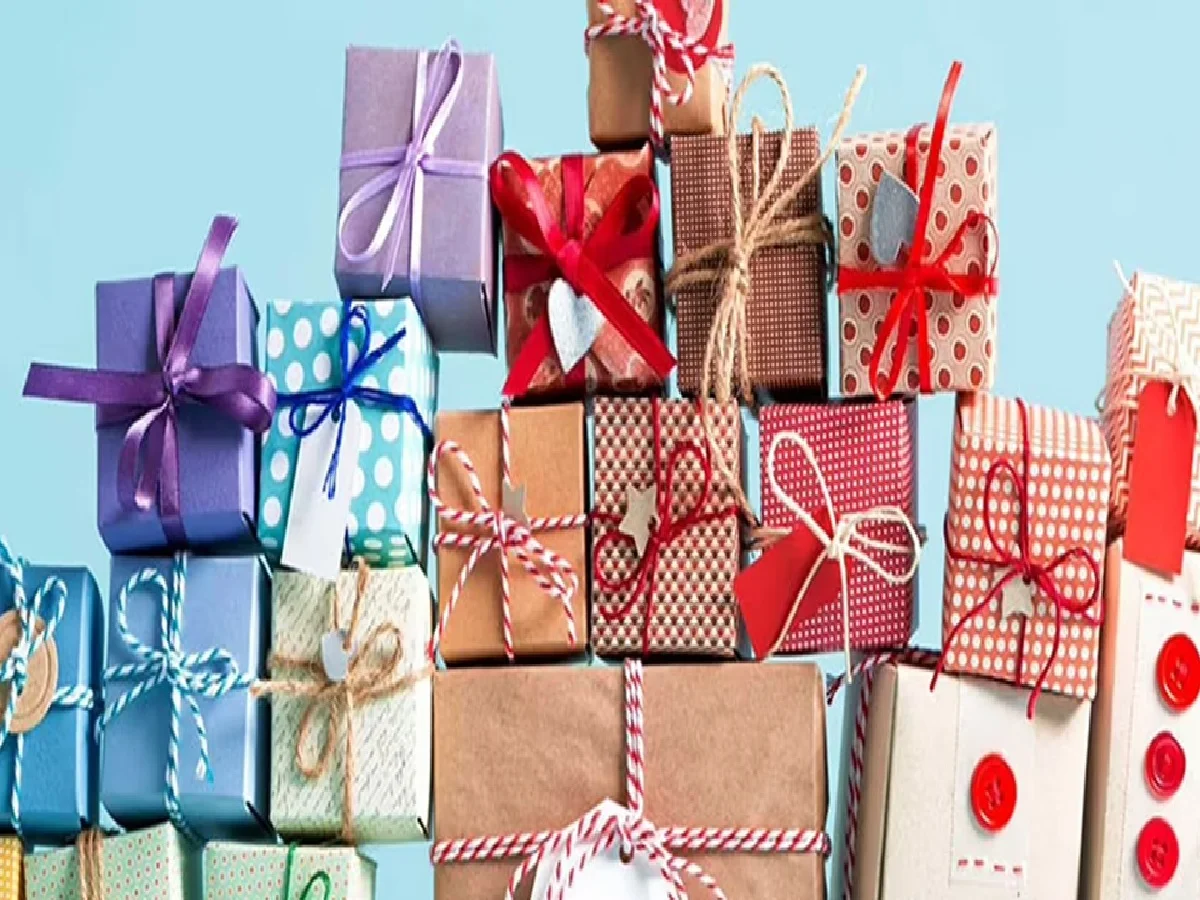
Gift-giving is often seen as a way to express love, gratitude, and goodwill. However, according to Feng Shui, certain gifts are believed to carry negative energy and may unintentionally affect relationships. Feng Shui, the ancient Chinese practice of balancing energy in the environment, suggests that objects around us can influence emotions, harmony, prosperity, and personal connections.
Over the years, Feng Shui principles have gained popularity across the world, with many people using them to create positive energy in their homes and workplaces. While these beliefs are rooted in tradition and symbolism rather than science, many followers of Feng Shui avoid gifting specific items that are thought to attract misunderstandings, distance, or negative vibes.
Here are some commonly cited Feng Shui items that are traditionally considered unsuitable as gifts.
1. Sharp Objects Such as Knives and Scissors
According to Feng Shui beliefs, sharp-edged items symbolize separation and conflict.
Objects such as:
- Knives
- Scissors
- Nail cutters
- Blades
- Letter openers
are often associated with cutting ties or creating emotional distance between people.
Many Feng Shui practitioners believe that gifting these items may symbolically "cut" a relationship, potentially leading to misunderstandings or disagreements over time.
Because of this symbolism, sharp objects are generally avoided as gifts for friends, family members, or romantic partners.
2. Handkerchiefs
A handkerchief may seem like a thoughtful and practical gift, but Feng Shui traditions often discourage giving it as a present.
The reason is largely symbolic. Handkerchiefs are associated with wiping away tears and sadness.
According to traditional beliefs, gifting a handkerchief may symbolize future sorrow, emotional distance, or unfortunate circumstances in a relationship.
Some Feng Shui followers believe that such gifts can unintentionally attract misunderstandings or emotional discomfort between the giver and receiver.
3. Watches and Clocks
Watches and clocks are among the most debated gifts in Feng Shui and Chinese traditions.
While many people consider luxury watches elegant and meaningful gifts, traditional Feng Shui interpretations often associate timepieces with the passage of time and endings.
In some Chinese cultural beliefs, gifting a clock can symbolize the countdown of time or the conclusion of a chapter in life.
Because of this symbolism, some people avoid gifting:
- Wristwatches
- Wall clocks
- Table clocks
- Decorative timepieces
They believe these gifts may invite unnecessary tension or create emotional distance in relationships.
4. Plastic and Artificial Decorative Items
Feng Shui places strong emphasis on natural energy and authenticity.
Artificial decorations made from plastic are sometimes viewed as lacking the life force and positive energy associated with natural materials.
Examples include:
- Plastic flowers
- Artificial plants
- Synthetic decorative pieces
- Low-quality imitation items
According to Feng Shui principles, relationships should be genuine and long-lasting. Since plastic products may deteriorate over time or lack natural energy, some practitioners believe they symbolize superficial or temporary connections.
Instead, gifts made from natural materials such as wood, ceramic, bamboo, or live plants are often preferred.
Why Do Feng Shui Beliefs Matter to Some People?
Feng Shui is based on the idea that everything around us carries energy, often referred to as "Chi" or "Qi." Followers believe that certain objects can enhance positive energy while others may disrupt harmony.
Although these beliefs are not scientifically proven, many people continue to follow them as part of cultural traditions and personal practices aimed at promoting balance and positivity.
Better Gift Alternatives According to Feng Shui
If you want to choose gifts that are traditionally associated with positive energy, Feng Shui experts often recommend:
- Healthy indoor plants
- Lucky bamboo
- Crystal décor
- Decorative lanterns
- Spiritual books
- Natural wooden items
- Scented candles
- Handmade gifts
These items are commonly associated with prosperity, happiness, growth, and harmony.
The Bottom Line
According to Feng Shui traditions, gifts such as sharp objects, handkerchiefs, watches, and plastic decorative items are believed to carry symbolism that may negatively affect relationships. While these beliefs are rooted in cultural and spiritual traditions rather than scientific evidence, many people prefer to follow them when selecting gifts for loved ones.
Ultimately, the most important aspect of any gift remains the thought, care, and affection behind it. Choosing a meaningful present that reflects the recipient's personality and preferences will always matter more than superstition alone.