NEWS
Explained: India can now buy oil from Iran! How will petrol and diesel become cheaper overnight, and even the kitchen benefit?

Iran Suspends Oil Sanctions: Crude oil prices aren't just limited to fuel; they also increase transportation costs, making everything from vegetables to milk more expensive. This has an even greater impact on inflation.
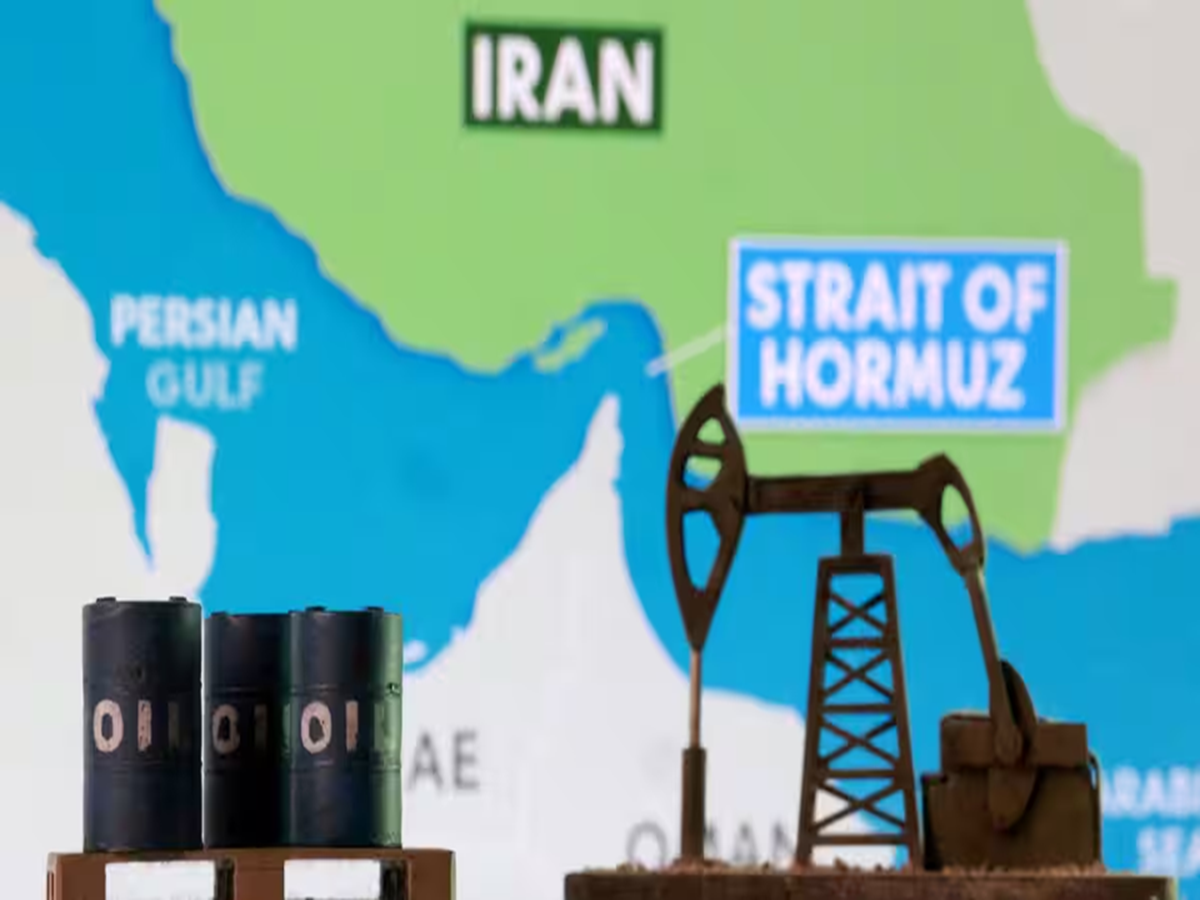
US lifts sanctions on Iranian oil.
The morning of June 24, 2026, brought significant news for India. The United States has lifted sanctions on Iranian crude oil. However, this isn't just diplomatic news for India; it will have a direct impact on petrol and diesel prices, inflation, and the government's treasury. Let's explore why this move by the United States could benefit India so much...
First, understand what has happened.
When Donald Trump first became the US President in 2018 , he imposed strict sanctions on Iran. Many countries, including the United States, were barred from purchasing Iranian oil. As a result, India had to give up its preferred and cheap Iranian oil. But now, in 2026, the Trump administration has opened the door once again.
The US and Iran have reached a peace agreement in the Strait of Hormuz, and as part of this, the US has announced the lifting of sanctions on Iranian crude oil. This exemption is valid until August 21, 2026, meaning it is a temporary relief, but it holds significant significance for India even in the short term.
India's oil story and Iran's role
India is the world's third-largest oil importer and imports more than 85% of its crude oil needs. Iran was once India's second-largest oil supplier. Before sanctions, India purchased approximately 450,000 barrels of Iranian oil per month. However, this figure dropped to zero after 2019. Since then, India has increased its oil purchases from Iraq, Saudi Arabia, and especially Russia. After the Russo-Ukrainian war, Russian oil became the top source of India's oil basket.
The discounts on Russian oil are steadily decreasing. Shipping and insurance issues often increase the final cost. In such a situation, opening the Iranian route could prove to be a boon for India in four ways:
1. Cheaper oil and lower import bills
Iranian crude is typically $8-10 cheaper per barrel than Brent crude. Iran often offers better credit terms and lower freight charges for its oil, as India is a long-standing and reliable customer. When you buy millions of barrels of oil, a savings of $8-10 per barrel directly reduces the import bill by billions of dollars.
According to government data, India's total crude oil import bill exceeded $140 billion in the 2025-26 fiscal year. Shifting even a portion of this amount to cheaper Iranian oil would not only save foreign exchange but also control the current account deficit. This has a direct impact on the rupee's strength.
2. Impact on petrol-diesel and inflation
Cheaper crude oil will reduce companies' costs, and if the government wishes, it can pass this benefit on to the common man. Petrol and diesel prices have remained stable for some time, but volatility in the international market always exerts pressure. Iranian oil provides companies with an opportunity to improve margins and, if necessary, create room for price reductions.
This has an even greater impact on inflation. Crude oil prices aren't just limited to fuel; they increase transportation costs, making everything from vegetables to milk more expensive. Cheaper oil means cheaper transportation for all goods, which can provide relief to the kitchen budget.
3. Opportunity to reduce dependence on Russia and the Middle East
For India, this isn't just a question of price, but also of strategy. Currently, our oil imports depend largely on a few countries, such as Russia, Iraq, and Saudi Arabia. Being overly dependent on a single supplier is not good for any country's energy security.
Iran's return will allow India to further expand its oil sources. This is a form of risk management, meaning that if there is a disruption in Russian supplies or OPEC+ countries further cut production, Iran will be a better option.
According to a Times of India report, India is also a good buyer of high-sulfur crude for its refineries. Iranian oil is a perfect fit for this purpose. Indian refineries like Jamnagar, Vadodara, and Mangalore can easily process Iranian grades.
4. Ease of payment
Previously, India paid Iran in rupees, a portion of which Iran spent on purchasing Indian goods. This promoted bilateral trade and reduced dependence on the dollar. However, the Financial Express report clearly states that it is not yet clear how payments will be made under this temporary exemption.
Experts believe that the old rupee-riyal currency arrangement could be revived. If this happens, it would be icing on the cake for India: cheap oil on one hand, and purchasing without spending dollars on the other.
But is it that easy to buy oil?
Foreign affairs expert and JNU professor Rajan Kumar says, "This isn't entirely rosy, as this exemption is only valid until August 21, 2026. This means there will be a limit to the amount of Iranian oil India can buy in less than two months. Importing such a large amount of oil in such a short period could present shipping, insurance, and logistics challenges."
According to a CNBC report, this relief is entirely dependent on the implementation of the peace agreement. If tensions escalate again, sanctions could be reimposed.
Furthermore, the US State Department statement clearly stated that this is a limited and conditional waiver, meaning India will have to proceed with extreme caution to ensure other aspects of US sanctions are not violated.
What steps did the Indian government take to purchase oil?
The Indian government and oil companies are already preparing to import the first consignment from Iran as soon as possible. Major companies like Indian Oil Corporation and Bharat Petroleum have begun negotiating commercial terms. It is hoped that if this exemption is extended, India could once again become Iran's largest oil customer.