LIFESTYLE
Explained: Do you feel moody, lazy, and crave sweets in winter? Light will help you recover.

According to a study in the Academic Bulletin of Mental Health, summer SAD may be more common in India because the climate here is not as cold and dark as in Western countries. Research on SAD in India is limited.
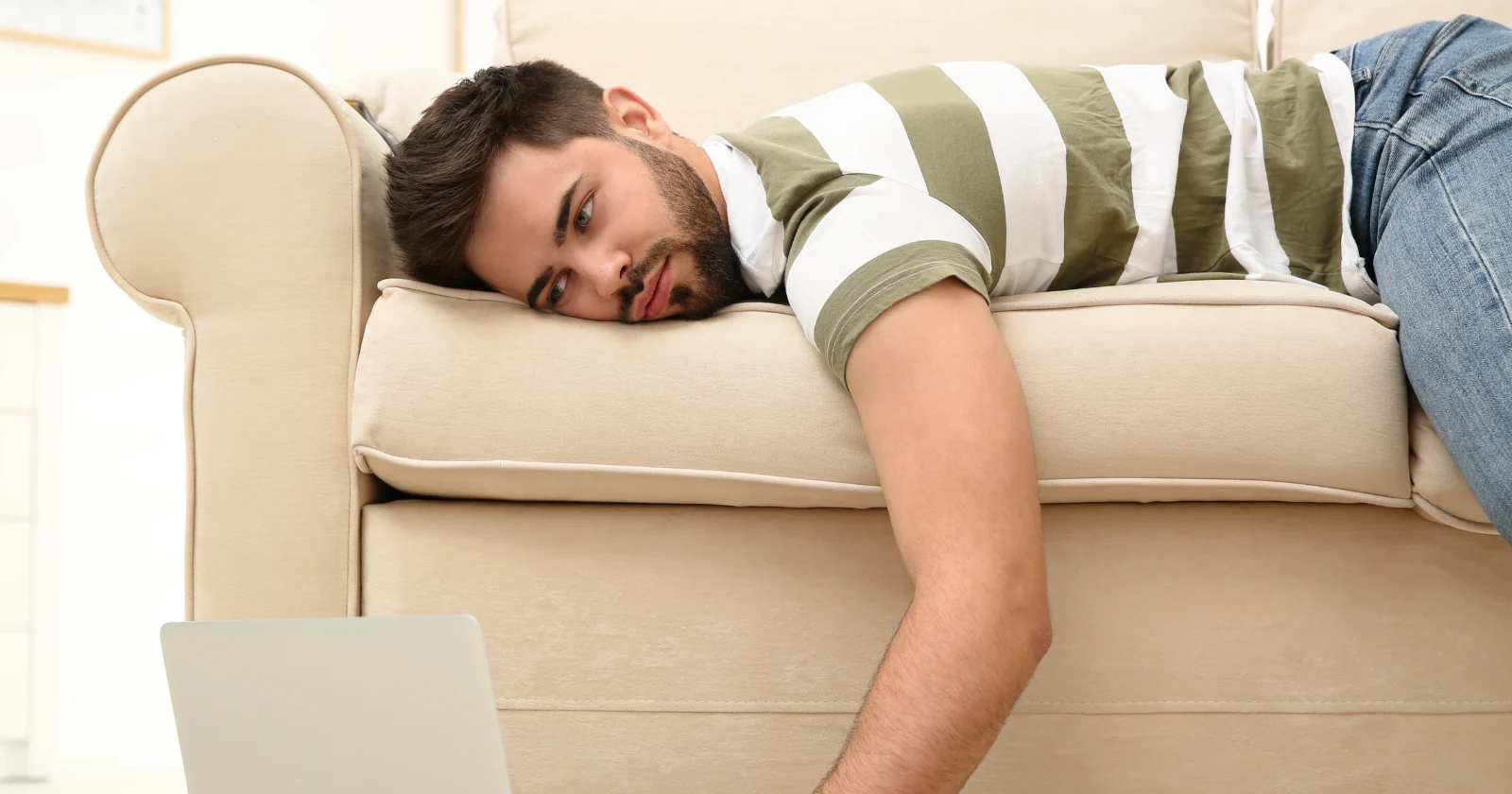
Do you feel your mood changes as the weather changes?
Every year, as winter arrives, the days begin to shorten, and some people feel unexplained sadness. They find it difficult to get out of bed in the morning; they lose interest in work, they crave sweets and carbohydrates, and they even start gaining weight. Most people dismiss it as "winter weather" or "laziness." However, doctors say it could be a mental illness called Seasonal Affective Disorder (SAD).
According to the US National Institutes of Health (NIH), millions of people worldwide are affected by this condition. Its treatment isn't expensive medication, but rather bright light, or light therapy.
What exactly is it, why does it occur, and how does light help treat it?
If this is not sadness, then how is it a medical condition?
SAD was first identified in 1984 by Dr. Norman Rosenthal and his team, who were then researchers at the NIH. They coined the term "SAD." Dr. Norman says the name caught on because it's easy to remember.
SAD usually begins in the fall and is most bothersome in the winter. It usually resolves spontaneously in the spring or summer. This is called winter-pattern SAD. There is also a milder version, called subsyndromal SAD, where symptoms are less severe. Some people also experience SAD in the summer, although less is known about this.
Why does this happen?
While no single, exact cause of SAD has been identified, scientists have found three important clues:
- Special cells in the eyes: Our eyes contain special cells that capture blue light. Sunlight is rich in blue light. When these cells absorb blue light, the brain's alertness centers are activated, helping us wake up and feel refreshed.
- Less sensitive to blue light: University of Pittsburgh researcher Katherine Rochlin tested the eyes of people with and without SAD to see how they reacted to blue light. Those with SAD were less sensitive to blue light. This means their brains don't receive the "wake up" and "happy" signals as well in the dim light of winter.
- Circadian rhythms and hormones: Reduced daylight hours affect the hypothalamus, a part of the brain that controls the body's internal clock (circadian rhythm). This disrupts melatonin, the sleep hormone, and serotonin, the mood hormone. In winter, the body produces more melatonin, which increases sleepiness and drowsiness, and lower serotonin levels, which worsen mood.
Simply put, your brain is "charged" by sunlight. When sunlight is scarce, the brain's "charging system" weakens. Mood, sleep, and energy levels are affected.
So what is its treatment?
This is where light therapy comes in. Dr. Paul Dessen of Yale University's Winter Depression Research Clinic says that many people with SAD feel better with light therapy.
You need to spend about half an hour in the morning in front of a special "light box," which is about 20 times brighter than ordinary household light. Research shows that the most effective method is a light box with 10,000 lux (a unit of brightness measurement).
It's beneficial not only for those with SAD, but also for those with mild winter blues. Several clinical studies and meta-analyses show that light therapy can significantly improve SAD symptoms within two weeks.
Not all "SAD light" products on the market are effective. Dr. Dessen says some are so weak that they don't provide any benefit.
Yale University has tested some products and offers a list of recommendations, while organizations like the Center for Environmental Therapeutics also offer guides for choosing lights. If you've been diagnosed with SAD, ask your insurance company if the cost of lights is covered.
Is light the only cure?
Light therapy is key, but doctors also recommend four things:
- Medications: Antidepressant medications along with light therapy are the first line of treatment for SAD.
- Cognitive behavioral therapy (CBT): Studies show that CBT has a more lasting effect than light therapy. After two years, the relapse rate of SAD was 45.6% among those who stopped light therapy, compared to only 27.3% among those who started CBT.
- Daily habits: Doctors recommend maintaining a regular sleep schedule and taking walks outside.
- An important note: The benefits of light therapy only last as long as you continue using it. Symptoms may return if you stop using it. It's important to use it under the guidance of a doctor and in the correct manner.
How common is this problem in India?
Research on SAD in India is limited, but the studies that have been conducted are interesting. According to the National Institutes of Health (NIH), 2.85% of people in North India have been diagnosed with syndromal or subsyndromal SAD.
According to a study in the Academic Bulletin of Mental Health, summer SAD may be more common in India because the weather here isn't as cold and dark as in Western countries. This means that this problem may not be limited to winter alone. The intense heat and humidity of summer can also dampen some people's moods.