NEWS
Explained: Cancer in water, soda in cheese, and urea in milk... are you going to consume poison at the wedding?
Weddings are supposed to be joyous occasions, but this "cheap" approach to bulk kitchens has turned them into a graveyard of health. The next time you look at a wedding platter, consider not just taste, but also health.
Why is there more adulteration in wedding food?
Wedding season is in full swing. Long queues at banquet halls, large buffets, and delicious food abound. But have you ever wondered if the glistening cheese or delicious dessert on your plate is genuine? The revelations made by the Food Safety and Standards Authority of India (FSSAI) and the state Food and Drug Administrations (FDA) over the past few months are enough to chill your blood. Spices from major companies like Everest have been banned, and restaurants and shops are being sealed, yet the game of substandard goods continues unabated in wedding "bulk kitchens."
After all, how do you go to weddings to eat poison instead of food?
Why is there more adulteration in wedding food?
Food at weddings is big business. When feeding 500 to 1,000 people, caterers focus on quantity over quality. Buy the cheapest ingredients. Milk, cheese, ghee, and spices are consumed in large quantities. These are the items most commonly adulterated.
Caterers seek suppliers who will provide them with goods at half the market rate. As a result, chemicals and counterfeit products end up on your plate.
What are you getting on your plate?
Here we are telling you which things in everyday food and wedding buffets are poisoning your body:
1. Dairy Products
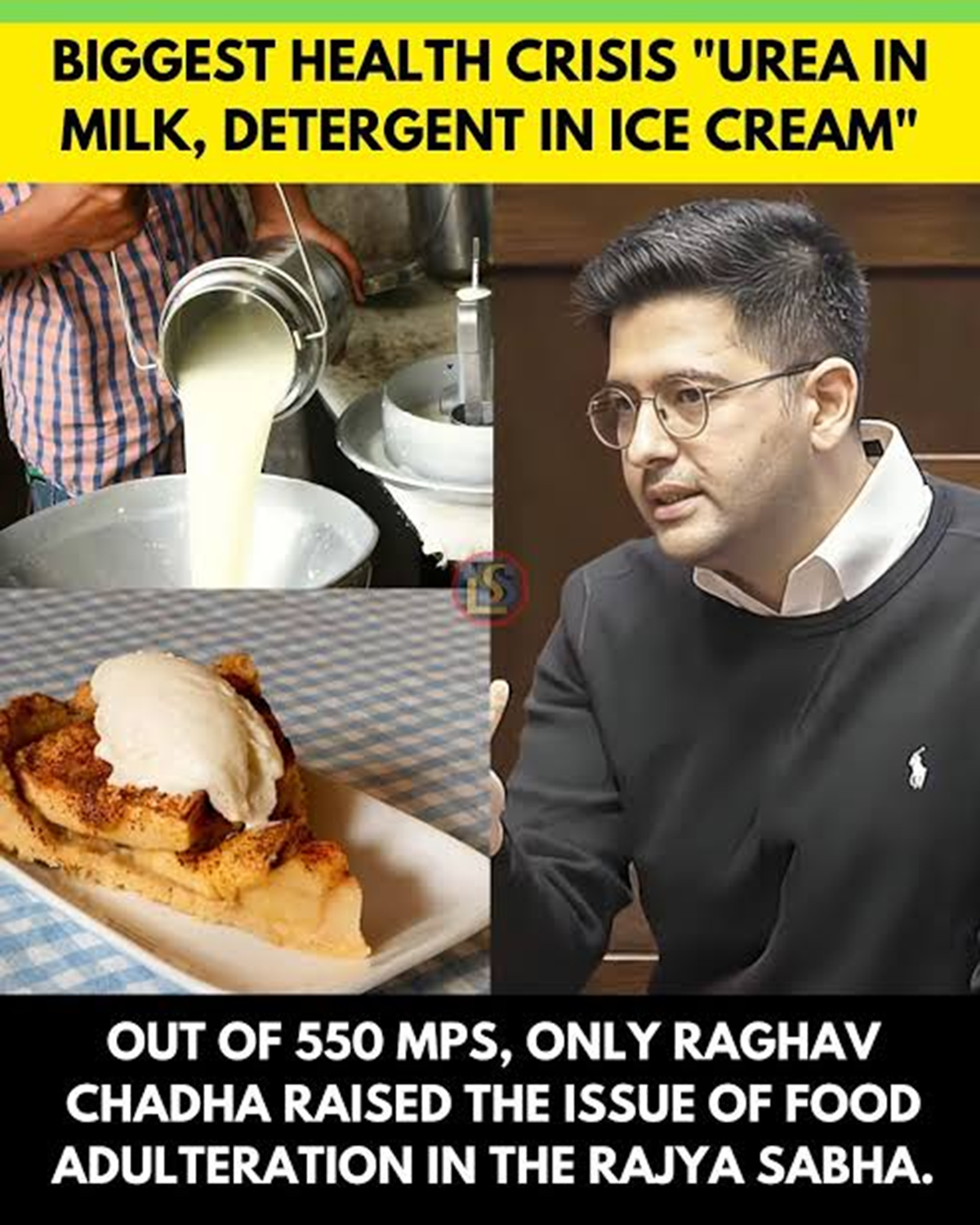
- Milk: Urea, water, detergent, starch and synthetic milk are mixed in it to make it thick.
- Paneer: 'Fake paneer' made from milk powder along with caustic soda, starch, detergent and refined oil used in washing clothes or cleaning is very popular in weddings.
- Khoya/Mawa: Fake mawa is prepared by mashing potatoes, sweet potatoes, and palm oil with chemicals.
- Ghee: Instead of real desi ghee, vegetable oil, palm oil, and sometimes animal fat oil is served.
- Yogurt/cream: Formalin is added to make it appear fresh. Formalin is the same chemical used in medical practices to preserve dead bodies.
2. Sweets and drinks
- Sweets: Instead of desi ghee, vanaspati, banned analogue mawa and expired khoya are used.
- Ice cream: Cases have come to light where detergent powder has been added to make it cheaper.
- Fruit Juice: 'Fruit juice' is prepared with the help of artificial colours and synthetic flavours.
- Honey: Sugar syrup and rice syrup are mixed in it.
- Sauces/Mayonnaise: These are prepared using expired goods and cheap chemicals.
3. Spices and Oil
- Turmeric/Spices: Brick dust, sawdust, and chalk powder are mixed in. Carcinogenic colors like metanil yellow and Sudan dye are added for shine.
- Red Chilli: It is made bright red with brick powder and synthetic colour.
- Tea leaves: New tea is made by adding synthetic color to old leaves.
- Cooking oil: Machine oil, mineral oil, poisonous argemone oil and cheap palm oil are mixed in it.
4. Vegetables, meat and lentils
- Vegetables: Oxytocin injections are given to vegetables to make them grow bigger and look fresher faster.
- Chicken: Chickens are injected with large amounts of anabolic steroids to make them fat.
- Dal: It is made shiny with saffron dal and synthetic colours.
- Sugar: It is made shiny by adding white color and chemical color.
- Water: This is the most dangerous. Large water coolers or tankers at weddings contain lead, arsenic, fluoride, and even bacteria, which directly contribute to diseases like cancer.
What are government agencies doing?
Several products from major spice brands like Everest and MDH were banned in Singapore and Hong Kong after ethylene oxide (a carcinogenic substance) was found in them. Following this, the FSSAI in India also took strict action.
- Shops sealed: FDA raids across the country have sealed hundreds of shops and factories manufacturing counterfeit cheese, milk, and mawa. Licenses of many sweet shops have been revoked.
- Eye on weddings: Food safety departments of states are now conducting surprise raids on big banquet halls and caterers' kitchens and confiscating food samples.
Weddings are supposed to be joyous occasions, but this "cheap" approach to bulk kitchens has turned them into a graveyard of health. The next time you look at a wedding thali, consider not just its taste, but also its health benefits. The cost of medical treatment is far more expensive than the free wedding meal.