NEWS
Explained: Big news has arrived: the rules for using WhatsApp and Telegram will change from January 1, 2027!
Under SIM binding, any messaging account must be linked to the active SIM card used to verify or register the user's identity.
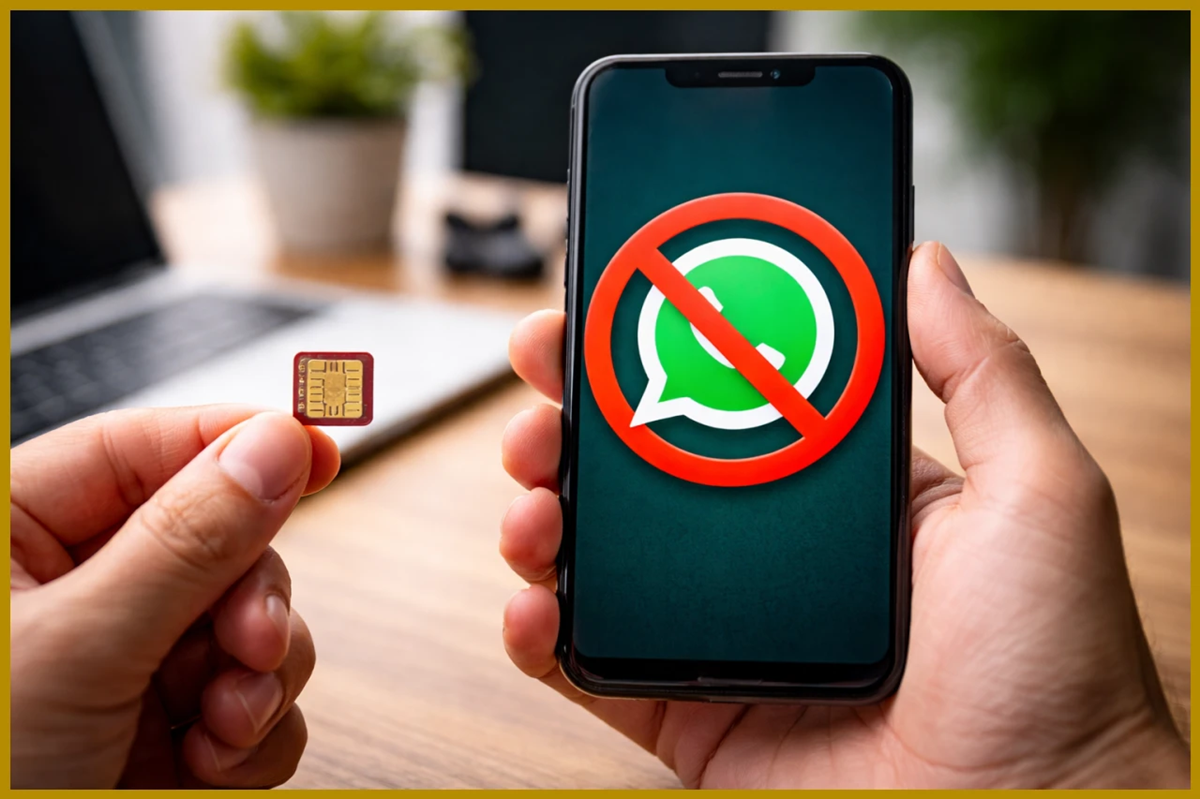
The rules for using WhatsApp and Telegram will change from January 1, 2027!
How many SIM cards do you have in your phone? Maybe one or two, and which one did you use to register for WhatsApp or other messaging apps? Well, from now on, you'll have to use the same SIM for the rest of your life, or for as long as you want to use this messaging app. That's because the Indian government is preparing to implement new SIM-binding rules.
The Department of Telecommunications has announced that messaging platforms like WhatsApp and Telegram will have to strictly adhere to new SIM-binding requirements by December 31, 2026. These new rules are expected to become fully effective on January 1, 2027. Let's explore in detail why the Indian government is implementing these rules and how they will impact ordinary users.
What is SIM binding and how does it work?
Under SIM binding, any messaging account must remain associated with the active SIM card used to verify or register a user's identity. If that particular SIM card is removed from the device or becomes inactive, the associated app should no longer function normally on that device.
Messaging apps that use Indian mobile numbers for registration will need to verify that the registered number is directly linked to an active SIM card or eSIM in the device.
This simply means that if a user removes the SIM card used to register for the app from their phone, they may be unable to access their account. This also affects those who keep the SIM card in a second (secondary) phone but use WhatsApp or Telegram on another tablet or device. Additionally, users with dual-SIM phones must ensure that the mobile number associated with their messaging account is always active.
Why is the government implementing 'SIM binding'?
India's Department of Telecommunications is implementing these strict rules as part of its efforts to combat serious scams like cyber crime, phishing, financial fraud and 'digital arrest'.
The department had noticed that some app-based communication services allowed users to continue using accounts registered with Indian mobile numbers even if the SIM card was not present in the actual device. According to officials, fraudsters, both domestic and foreign, were exploiting this technical flaw to perpetrate cyber fraud. Mandating the mandatory linking of messaging accounts to an active SIM card will make it significantly more difficult for criminals to misuse and illegally use Indian numbers.
Data shared by the Department of Telecommunications underscores the gravity of the situation. According to a December 2025 DoT release, the total financial loss from cyber fraud in India in 2024 alone exceeded ₹22,800 crore. The government is taking these steps to curb this digital intrusion.
Can this rule completely stop cyber fraud?
If an account on a device cannot function without its registered and active SIM, it becomes difficult for criminals to misuse the account even after disconnecting it from its original mobile connection.
However, this isn't a one-size-fits-all solution to cybercrime. SIM binding only solidifies the connection between an account and its associated registered SIM. It doesn't, in itself, guarantee that every message received is genuine, nor can it completely prevent all types of phishing, impersonation, social engineering scams, or other fraudulent transactions. The success of this policy will depend on how messaging platforms technically verify SIM presence, handle account access after a SIM change, and enforce the restrictions on the ground.
Which messaging apps will be covered?
This new directive applies to all app-based communication services that use Indian mobile numbers to identify users or provide their services. WhatsApp and Telegram are the most prominent examples.
According to DoT directives under the Telecom Cyber Security Rules, 2024, several messaging apps such as WhatsApp, Telegram, Arattai, ShareChat, Josh, JioChat, and Signal could fall under the ambit of this rule. However, reports suggest that Snapchat is unlikely to be covered by this order, while Signal's status remains unclear as the platform did not provide a clear response to the government's communication.
What impact will this have on common users?
This does not mean that WhatsApp will stop working on select iPhone or Android models starting January 1, 2027. Apps will run normally on smartphones, provided the SIM card is active in the device.
What will happen to WhatsApp Web and multi-device users? The original draft guidelines mandated periodic logging out of web sessions (every six hours) so that users could reconnect by scanning a QR code. However, the DoT later removed this six-hour interval requirement and adopted a more practical and flexible risk-based approach.
Who will be most affected? Those who rely solely on Wi-Fi to access their messaging apps without a registered SIM card will be the most severely impacted by these new rules. Users who have registered with WhatsApp or Telegram once, removed their SIM card, and have been using Wi-Fi exclusively for a long time will face the biggest changes to their usage patterns starting in 2027.