NEWS
Electricity will come from space! Japan is preparing to build the world's first space solar power plant. Learn about the technology.
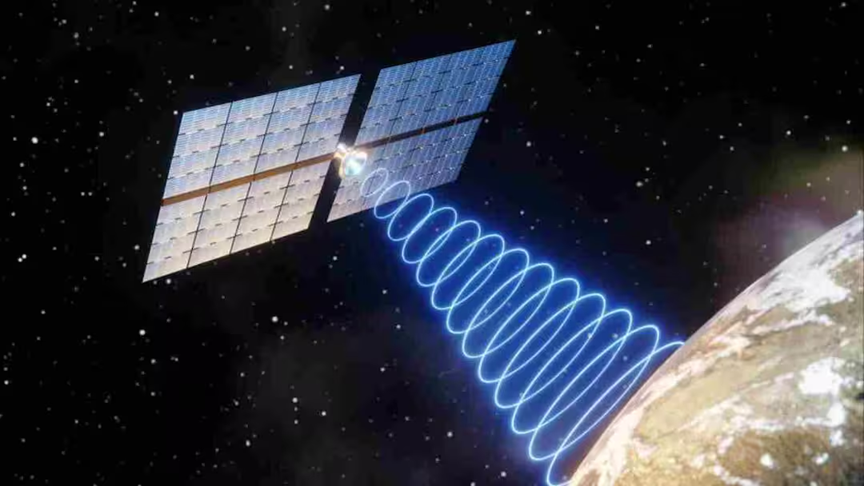
Space Solar Power: Japan is preparing to take a historic step in the field of clean energy.
Space Solar Power: Japan is preparing to take a historic step in the field of clean energy. A demonstration satellite named Ohisama will be launched in fiscal year 2026, aiming to transmit solar energy generated in space directly to Earth and convert it into usable electricity. If successful, this mission will be the first of its kind in the world.
What is the idea of space-based solar power?
Space-based solar power (SBSP) refers to the installation of large solar panels in Earth's orbit that convert sunlight into electricity. This energy is then transmitted wirelessly to Earth using microwave or laser technology. A receiving station on the ground converts this energy back into electricity and supplies it to the grid.
Unlike ground-mounted solar panels, this system is not affected significantly by clouds, rain, or the day-night cycle. This is why it is considered a stable and reliable energy technology of the future.
How will the Ohisama mission work?
Weighing approximately 180 kilograms, the satellite will transmit energy in the form of microwaves from a 450-kilometer orbit. Its power panel measures approximately 70 centimeters by 2 meters and can generate 720 watts of power. This energy will be received by a large antenna at the Japan Aerospace Exploration Agency's Usuda Deep Space Center in Nagano Prefecture. The test aims to demonstrate that energy sent from space can be harnessed by lighting an LED on the ground.
The satellite will be launched aboard Space One Co.'s small rocket, Kairos 5. Previous attempts with the rocket have encountered challenges, so the mission's timeline will depend on its success.
A gigantic vision of a gigawatt
According to a model proposed by Japan Space Systems (J-spacesystems), in the future, massive solar arrays could be deployed at an altitude of 36,000 kilometers. The energy would be transmitted via microwaves to a ground antenna approximately 4 kilometers wide. It is estimated that one such unit could generate approximately 1 gigawatt of power, which could meet more than 10 percent of Tokyo's annual electricity needs.
Japan leads the global race.
The US, China, and Europe are also pursuing research in this direction, but Japan has been working on this technology since the 1980s. Its expertise in microwave transmission and precise beam control makes it a frontrunner in this race.
If successful, this experiment could pave the way for commercial use by the 2040s. Furthermore, this technology could play a crucial role in powering future lunar missions.