LIFESTYLE
Egg vs Dal: How much protein does one egg provide compared to pulses and vegetables, and how much will it affect children's nutrition?
Kolkata School Mid-Day Meal: After the decision to remove eggs from the mid-day meal in government schools and replace them with vegetarian options, the debate regarding the nutrition of children has intensified. Let us tell you about it.

Kolkata Mid Day Meal Egg
Kolkata Mid-Day Meal Egg Removed: The decision to remove eggs from mid-day meals in Kolkata's government schools and replace them with vegetarian alternatives has sparked a debate about children's nutrition. The question is whether pulses and vegetables can provide as much protein as eggs and what impact this could have on children's health. Let's explore the implications.
Why are eggs a better option?
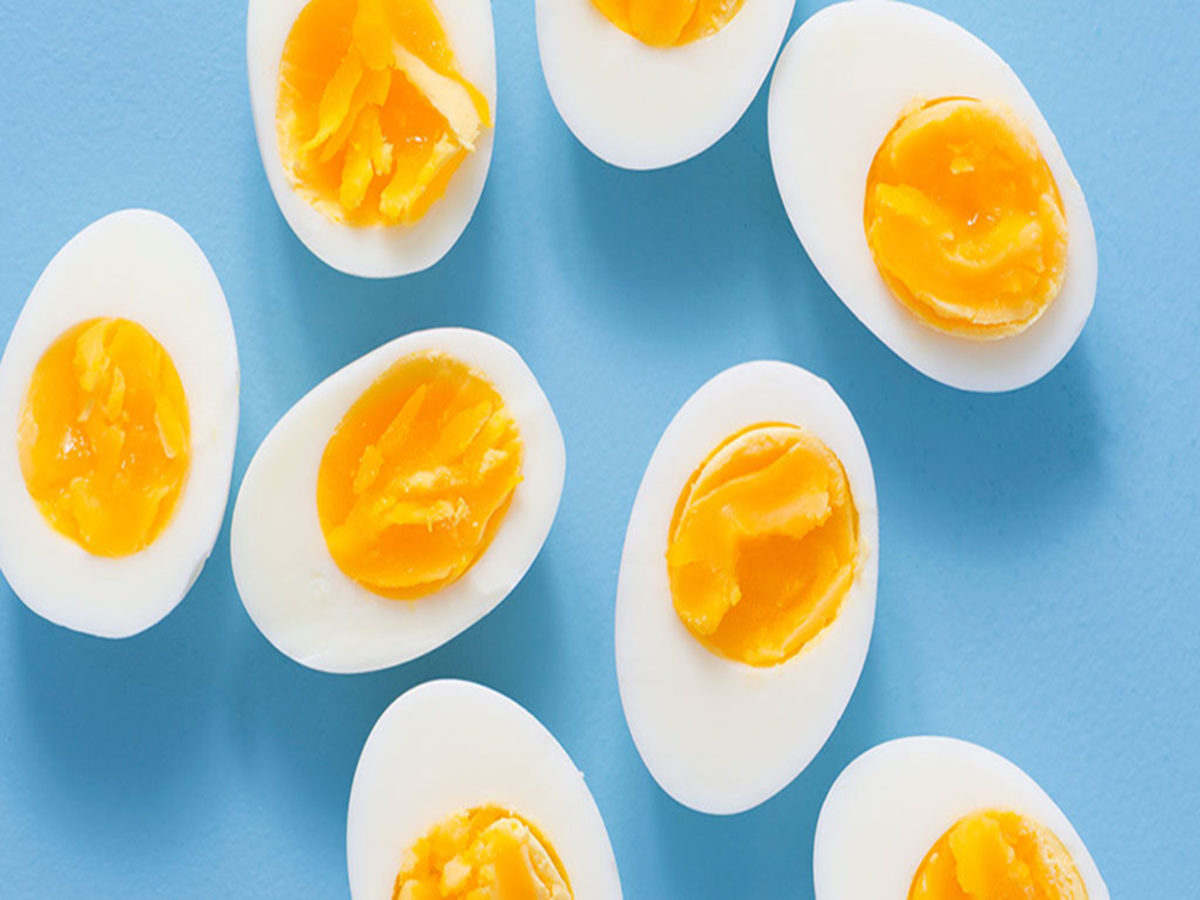
Eggs have long been considered an inexpensive and easy source of high-quality protein. A typical egg contains approximately 6 to 7 grams of protein. They contain all the essential amino acids the body needs, making them a complete protein. This is why eggs are considered an important part of a growing child's diet.
Dal and vegetable option?
However, this doesn't mean that lentils aren't a good source of protein. According to Dr. Sushma Appaiah, a renowned nutrition consultant and founder of Goalz - Nutrition and Diet Solutions, approximately 50 grams of raw lentils provide approximately 12 grams of protein after cooking. This means that one bowl of lentils can provide approximately the same amount of protein as two eggs. Furthermore, lentils also contain fiber, iron, and several essential nutrients that are beneficial for the body.
What is the difference between the two?
There's a significant difference between eggs and lentils. The protein in eggs is easily absorbed by the body, while lentils contain a high amount of carbohydrates along with protein. Therefore, nutrition experts often recommend including both in a balanced diet. If eggs are not provided for some reason, it's important to include milk, yogurt, cheese, soy, or other protein-rich foods along with lentils to meet children's daily protein needs. Mid-day meal menus vary across different states in India. In many states, children are given eggs a few days a week, while others provide nutrition through lentils, chickpeas, cheese, milk, and other vegetarian foods.
What is important for children?
Experts say that the most important thing for children is to get adequate amounts of protein, vitamins, and minerals daily. Replacing eggs with a vegetarian alternative that provides similar nutrition may have less impact on children's growth. However, simply eliminating eggs and not compensating for nutritional deficiencies can increase the risk of adverse health and physical development in growing children.