NEWS
Does money start to flow as soon as it arrives? Start your savings journey with these simple money management tips...
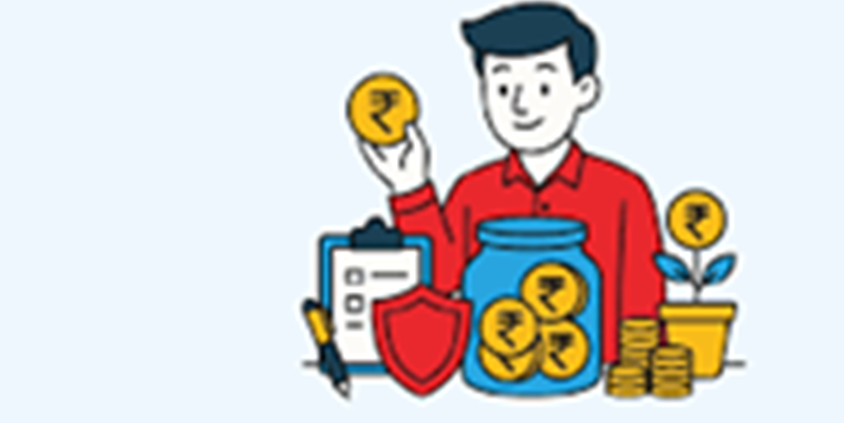
Money comes into your account at the beginning of the month, but it's spent in no time. There's no such thing as savings. With proper planning and understanding, this situation can be changed...
Not saving despite earning?
Money Management Tips: Money comes into your account at the beginning of the month, but it's spent quickly. There's no such thing as savings. This situation is faced by many people. Frustration and stress are common, as both needs and dreams remain unfulfilled.
Often, the reason behind this isn't low income, but rather a lack of knowledge and money management. If you find that no matter how much you earn, you're still unable to save, then you need to change your approach. With proper planning and understanding, this situation can be changed...
The first step is to monitor your expenses.
To manage your finances effectively, it's crucial to keep a complete record of your income and expenses each month. It's important to note not only major expenses, but also small expenses like tea, snacks, or online shopping.
These expenses gradually ruin your budget. You can use various tools like mobile apps and notepads to manage your spending. This will allow you to track your spending at the end of the month, helping you make adjustments.
Along with making a budget, it is also important to follow it.
To ensure your money is spent effectively, it's crucial to create a budget at the beginning of each month. This budget should be divided into different categories: essential expenses, travel, transportation, and other expenses.
When it is decided in advance how much money should be spent where, it becomes easier to avoid unnecessary expenditure.
It is important to keep debt under control.
If you have loans, it's crucial to manage them wisely. Focus first on eliminating debts that carry high interest rates, such as credit cards or personal loans.
Additionally, you should avoid unnecessary borrowing. Try to keep your total EMIs to no more than 30-40 percent of your income. This will help balance your expenses and reduce debt, while also reducing mental stress.
Make sure to create an emergency fund.
In today's changing times, many problems arise unannounced. Situations like job loss, business losses, medical emergencies, etc., often require immediate financial assistance.
Experts recommend maintaining an emergency fund that covers at least six months' worth of expenses. This will help you manage your expenses more easily during emergencies.