Electric toothbrushes are becoming more common these days, replacing regular toothbrushes. However, many people fear that their powerful motor may harm their teeth and gums. Learn how it works.
electric toothbrush
These days, everything, big and small, is becoming smarter. Even the way we brush our teeth in the morning. People no longer brush their teeth using the old methods; instead, electric toothbrushes are becoming more common these days. Many people are switching from their old, standard toothbrushes to battery-powered ones. However, there's still a significant segment of the population who are hesitant to purchase them.
One of the biggest fears people have is that this motorized, rapidly rotating brush will wear away the enamel on their teeth. Some even fear that its vibrations will peel off gums and weaken and loosen teeth. If you're also wondering about electric toothbrushes, find out if they pose any risk to your teeth and how they work.
How does an electric toothbrush work?
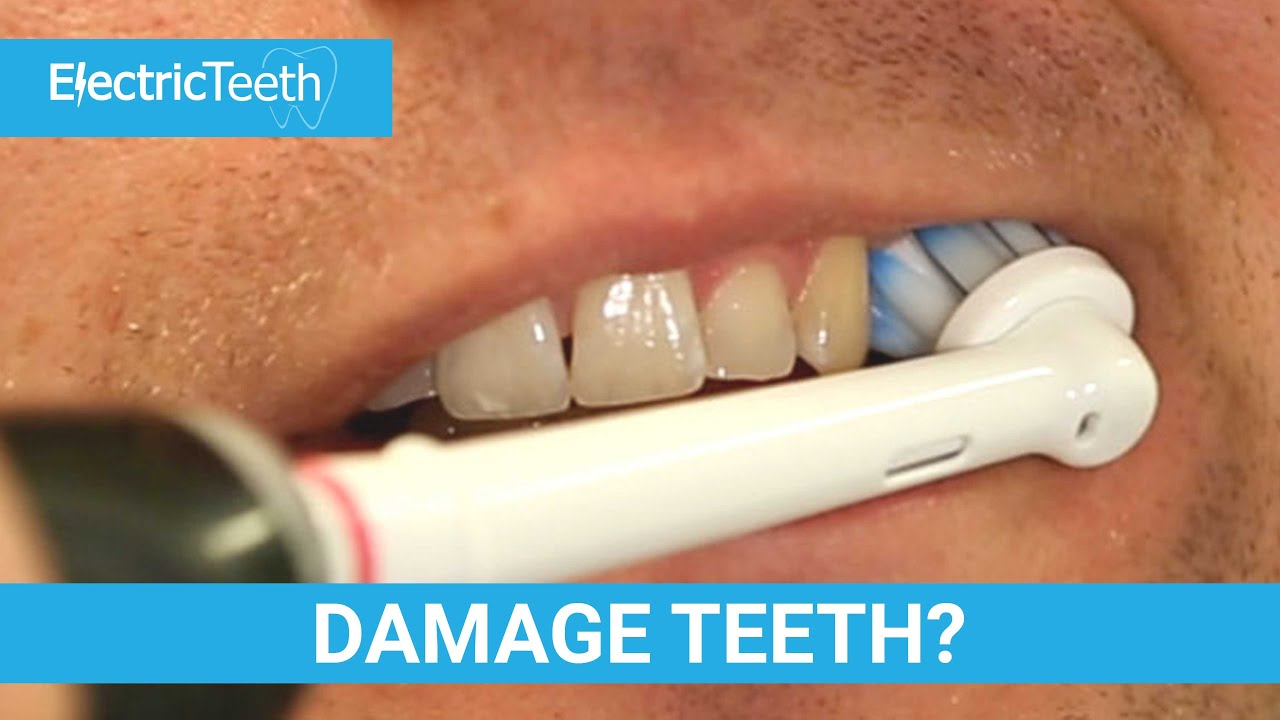
The way an electric toothbrush works is quite simple. Inside the handle is a small rechargeable battery and a motor that rapidly rotates and vibrates the bristles. There are two types of electric brushes available on the market: those with a round head that rotates left and right, and sonic brushes that clean teeth using high-speed vibrations.
When we brush our teeth with a normal hand-held toothbrush, we can barely make 200 to 300 strokes per minute. An electric toothbrush, on the other hand, makes thousands of movements per minute. You don't need to use force to brush. You simply turn on the brush, gently move it from one tooth to the next, and it automatically removes plaque from the corners.
Does this cause any harm?
Now let's turn to the biggest question: does it harm teeth? Dental experts say that electric toothbrushes don't harm teeth, and in many cases, they're safer than normal toothbrushes. In fact, when we brush normally, we often brush our teeth with such force that tooth enamel wears down, and gums bleed. However, today's best electric toothbrushes are equipped with pressure sensors.
If you apply too much pressure to your teeth, the brush automatically slows down or beeps. It also has a built-in 2-minute timer that pauses every 30 seconds to remind you to move on to another area of your mouth. This completely eliminates the risk of over-brushing.
Do not make these mistakes while using it
Electric toothbrushes only cause harm when people start using them like their old conventional toothbrushes. If you've purchased one, first break the habit of vigorously rubbing it against your teeth. Place it gently at a 45-degree angle against your gumline and let the motor do all the work. Just two to three seconds per tooth is enough.
Another important thing is that if you have a sensitive tooth or sensitive gums, always use the sensitive mode and a head with soft bristles. Just like with a regular brush, the brush head should be replaced every three months, as the curved bristles can irritate your gums.