NEWS
Digital Locker or Bank Locker: Which Option Offers Better Protection for Your Important Documents?
In today’s digital age, safeguarding important documents has become more crucial than ever. Losing essential records such as Aadhaar card, PAN card, property papers, insurance policies, or educational certificates can lead to serious inconvenience and legal complications. Because of this, many people often wonder whether a digital locker or a traditional bank locker is the safer option for storing their important documents.
Both options provide security but serve different purposes. Understanding how each works can help you decide which one suits your needs better.
Digital Locker: Convenient and Accessible Anytime
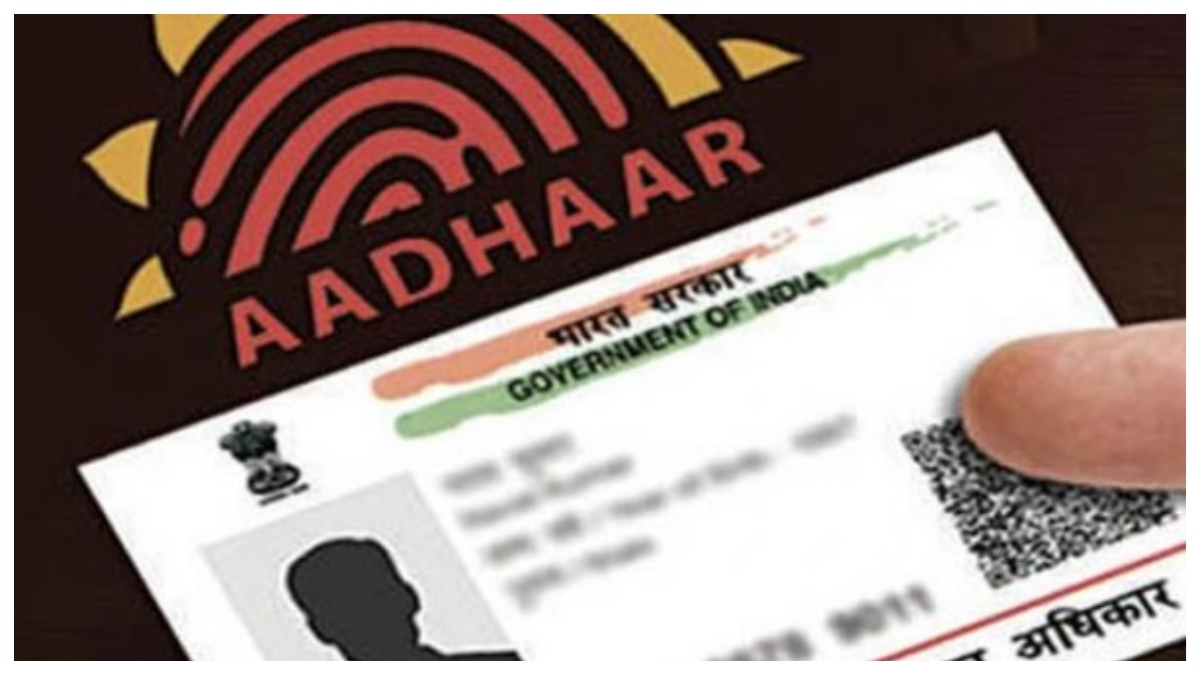
The Government of India introduced DigiLocker, a secure cloud-based platform that allows individuals to store important documents digitally. Users can upload or directly access official documents such as Aadhaar, PAN card, driving licence, insurance certificates, and academic records in one secure digital space.
One of the biggest advantages of digital lockers is easy accessibility. Since the documents are stored online, you can access them anytime and from anywhere using your smartphone or computer. This eliminates the risk of losing documents due to physical damage caused by fire, floods, or theft.
However, digital lockers are not completely risk-free. Issues such as forgotten login credentials, phishing attacks, or cyber security concerns can potentially create problems if users are not careful with their account security.
Bank Locker: A Traditional and Trusted Solution
Bank lockers have long been considered one of the safest ways to store valuables and important documents. Many people prefer keeping jewelry, property papers, cash, and other original documents in bank lockers.
Modern bank locker facilities are equipped with advanced security systems, including CCTV surveillance, biometric authentication, and restricted access areas. These measures help ensure that valuables remain protected.
Despite the strong security, bank lockers also come with certain limitations. Accessing the locker requires visiting the bank branch during working hours and following specific procedures. Additionally, banks charge annual locker rental fees, which can vary depending on the locker size and branch location.
Which Option Is Better?
Financial experts often point out that both digital lockers and bank lockers serve different purposes rather than competing with each other.
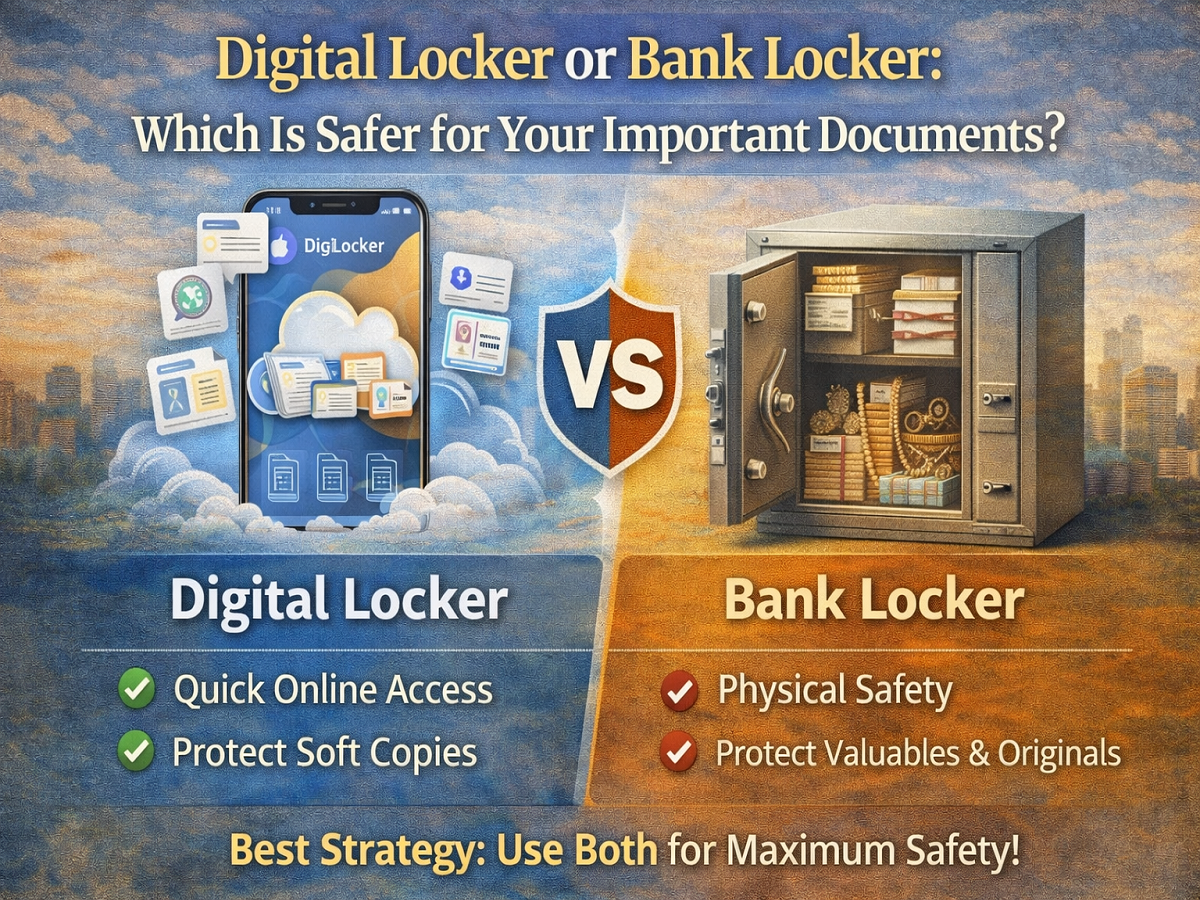
- Digital lockers are ideal for storing soft copies of documents that you may need frequently for verification or online submissions.
- Bank lockers are better suited for keeping original documents and valuable items that require physical protection.
The Smart Approach: Use Both
The most practical strategy is to combine the benefits of both options. You can keep digital copies of important documents in a digital locker for quick and convenient access while storing original documents and valuables in a bank locker for maximum safety.
It is also advisable to maintain a record of where your important documents are stored and share that information with a trusted family member. This ensures that your documents remain accessible during emergencies.
By using both digital and physical storage methods wisely, you can significantly reduce the risk of losing important documents and ensure long-term security.
Disclaimer: This article is for informational purposes only. Readers should evaluate their personal security needs and verify details with official platforms or banks before choosing any document storage method.