LIFESTYLE
Dementia Early Signs: Forgetting names is normal, but forgetting faces is a sign of a serious illness. Experts have issued a major warning.
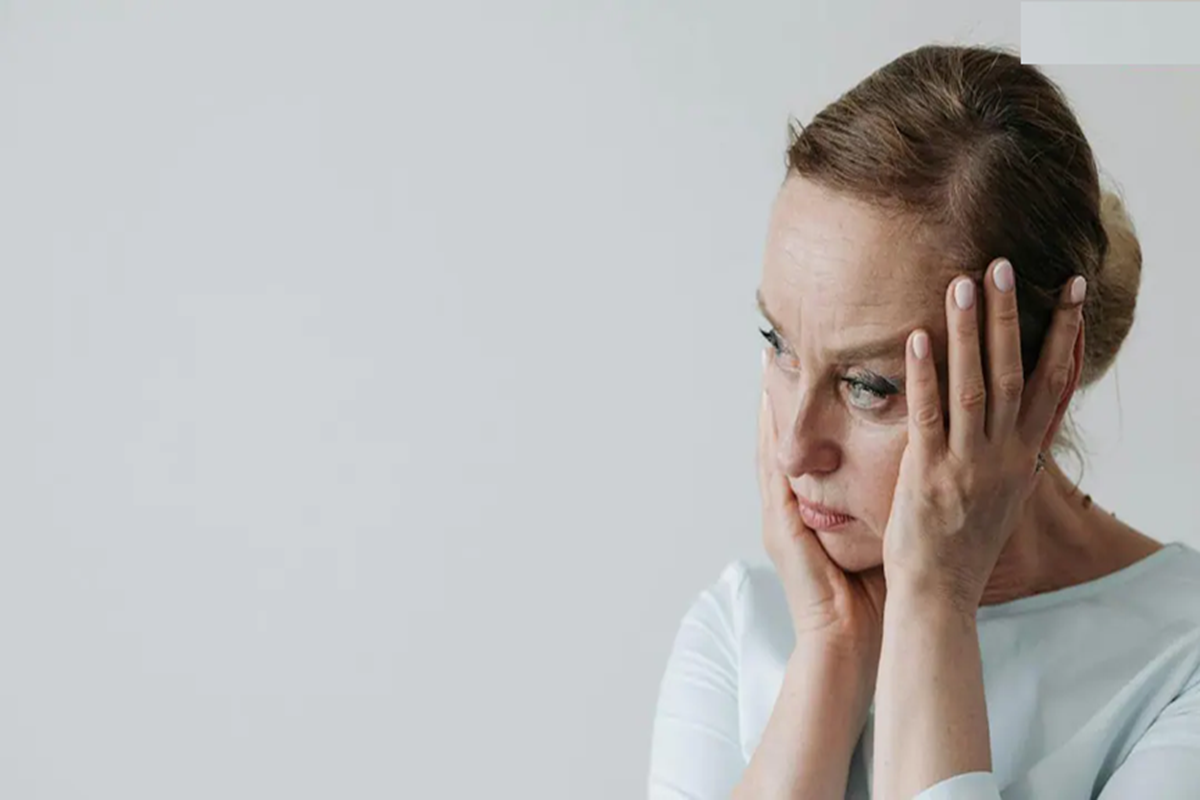
Neurocognitive Disorders: At first glance, both of these may seem like common forgetfulness habits, but experts say that different systems work for both of these in our brains.
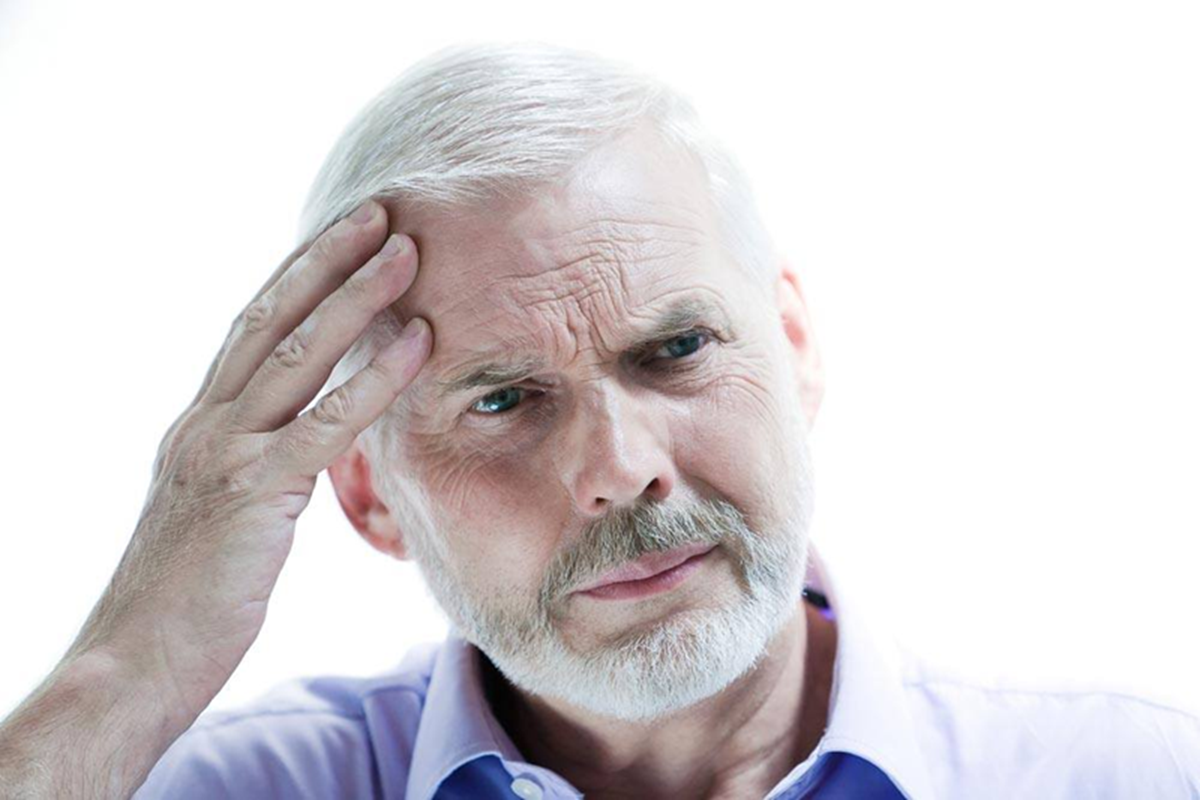
What is the difference between forgetting a name and forgetting a face?
Difference Between Forgetting Names And Forgetting Faces: Is forgetting someone's name the same thing as forgetting their face? At first glance, these two may seem like common forgetfulness habits, but experts say that different systems operate in our brains for both. This is why recognizing a familiar person's face but not remembering their name is common, while not recognizing the face of a close person is considered a more serious sign.
Why does a person forget?
Imagine arriving at a function and recognizing the person standing in front of you, but unable to recall their name. This often happens to many people. Remembering a name and being able to retrieve it at the right time relies on a network involved in language and memory. Recognizing faces, meanwhile, is handled by a specialized visual recognition network in the brain. According to Neha Sinha, CEO and co-founder of Epoch Elder Care, a dementia specialist and clinical psychologist, "Forgetting someone's name and forgetting someone's face may appear similar, but the brain pathways involved are completely different. This is the difference between recognition and recollection."
Is it normal to forget names?
Experts say that a name is simply a word or a label of identity, often unrelated to a visual image. Therefore, forgetting names is considered normal in situations such as stress, fatigue, busyness, or meeting multiple people at once. Neha Sinha explains that forgetting someone's name in a fast-paced social environment is completely normal and happens to most healthy adults at some point.
Does this cause any problem?
However, the ability to recognize faces has been a crucial part of human evolution. For thousands of years, humans have identified family, friends, and potential threats based on their faces. This is why the brain has specialized networks dedicated to face recognition. Research suggests that any disruption or deterioration in these networks can lead to a condition called prosopagnosia, or face blindness. In some cases, it has also been linked to Alzheimer's disease, frontotemporal dementia, and other neurological disorders. Recurrent memory problems can be an early sign of neurocognitive decline. Especially in conditions like Alzheimer's and frontotemporal dementia, impaired face recognition can sometimes appear before other symptoms. Therefore, if someone begins experiencing difficulty recognizing family members, spouses, or close loved ones, it should not be ignored.
When is it necessary to consult an expert?
The real difference is that occasionally forgetting someone's name can be a normal part of aging, but persistent difficulty recognizing familiar faces can be a serious warning sign. So, there's no need to panic over every small mistake, but if memory changes become more frequent, worsen, or begin to affect everyday life, it's important to consult a specialist.