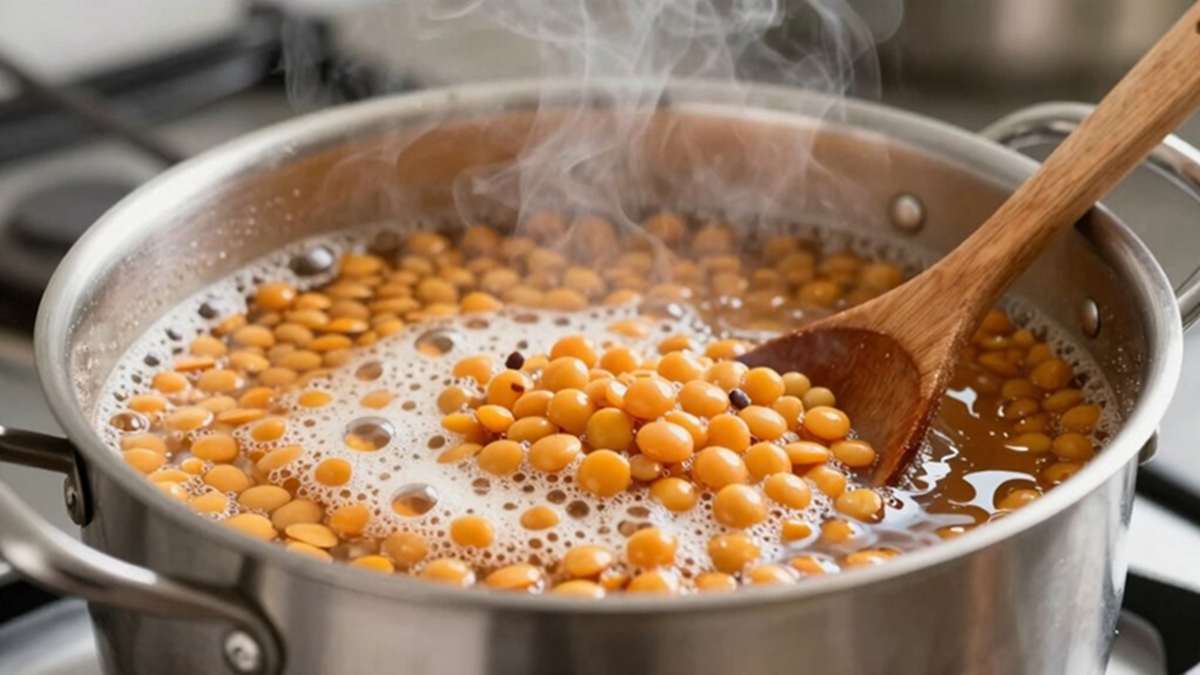
Dal Foam: The white foam that forms when cooking lentils is caused by proteins, starches, and saponins and is a completely natural process. Many people think it should be removed. Let's find out the truth...
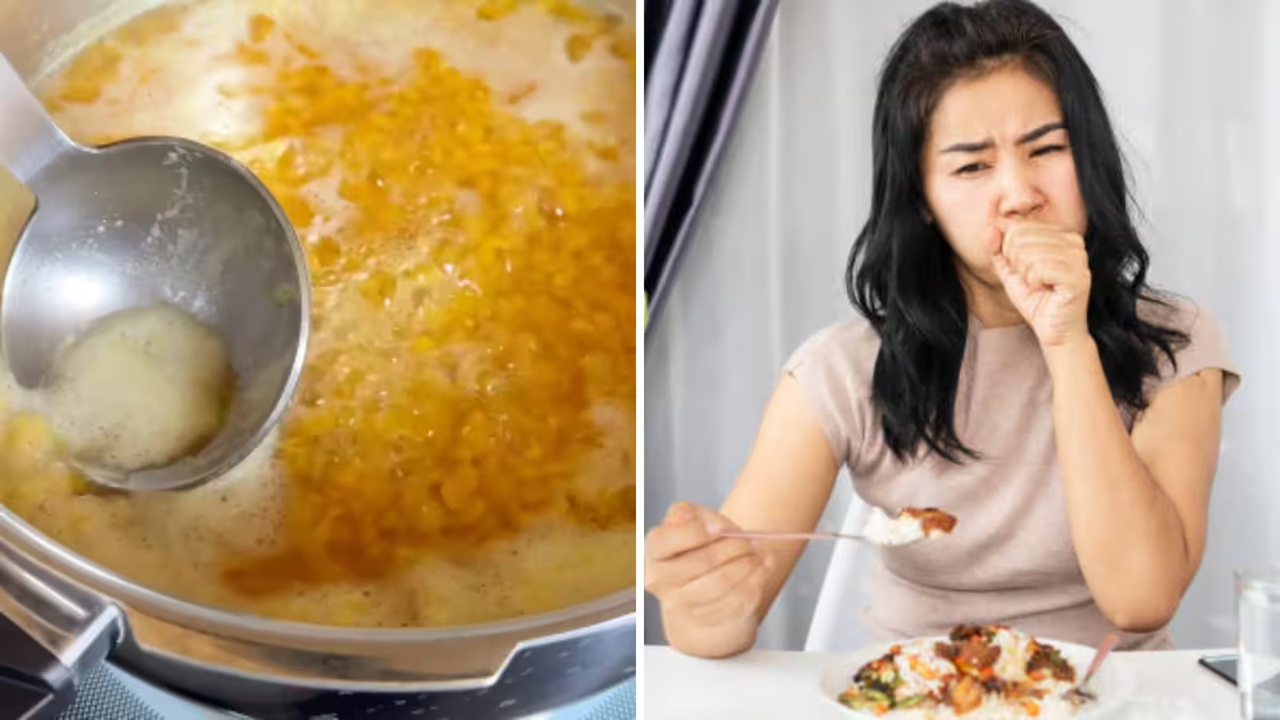
Know the real truth about lentil foam.
Dal Foam: Dal is a daily staple in Indian cuisine, but the white foam that forms during cooking often raises fears. Social media has blamed this foam for increased uric acid levels, joint pain, and even slow poisoning. However, how harmful is this foam to health, and is it really necessary to remove it? Let's learn the truth from experts.
Why does foam form?
When pulses like lentils, mung beans, and pigeon peas are boiled, the proteins and soluble fiber present in them begin to dissolve in the water. These proteins, starches, and a substance called saponins combine to form a white or light-colored foam on top of the boiling water, a completely natural process.
Is foam really harmful?
According to food scientists, besides saponins, protein and starch also contribute to the foam in lentils. However, the claim that this increases uric acid levels in the body is unfounded. This means that the fear being spread on social media is scientifically unfounded. An oncologist also dispelled this myth, stating that removing the white foam from lentils is optional and not mandatory. He argues that thoroughly washing and soaking lentils for a few hours before cooking is beneficial for better digestion; this automatically reduces the amount of saponins.
In some situations, removing foam is preferable.
Although the foam isn't harmful, removing it is considered a good idea in certain circumstances. For example, if the water is not clean, the lentils haven't been thoroughly washed, or the lentils were purchased from a cheap, unorganized store where they are likely to contain traces of dirt or pesticides. In such cases, removing the foam can make the lentils appear a little cleaner.
People also remove foam for taste and look.
The most common reason for removing foam isn't for health, but rather for the appearance and texture of the dal. Foam can make the dal water appear slightly cloudy, so those who prefer clear, light, and smooth dal can simply skim off the foam that forms on top after boiling. However, when preparing dal for everyday meals, a little foam isn't a problem.