LIFESTYLE
Clean Dirty Bulbs: Are dirty bulbs dimming the light? Here's how to brighten them in just 2 minutes.
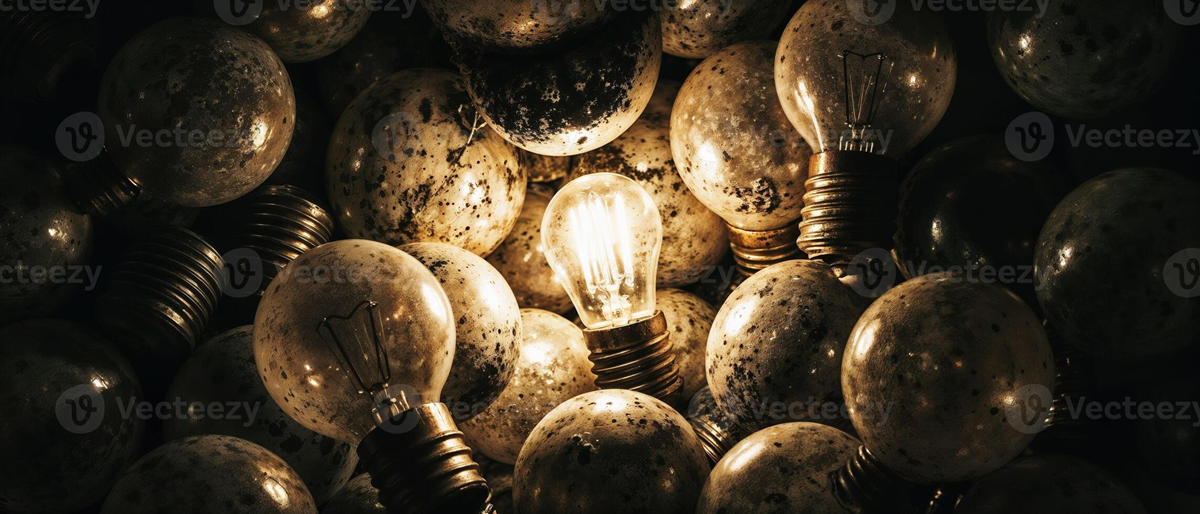
Cleaning Hacks: Even if your home's bulbs haven't been cleaned in a while, cleaning them isn't difficult. However, it's crucial to take some precautions when cleaning bulbs or tube lights.
How to clean dirty bulbs and tubelights?
How To Clean Dirty Light Bulbs: While we tend to clean the floors, windows, fans, and kitchen fixtures while cleaning the house, we often neglect the lights and bulbs. Especially in the kitchen, bulbs and tube lights can accumulate a layer of dust and grease for months. Smoke and oil particles from cooking can also cling to them. This can make the lights appear dirty, and their brightness can even seem dimmer than before.
If the bulbs in your home haven't been cleaned in a long time, cleaning them isn't difficult. However, it's crucial to take some precautions when cleaning bulbs or tube lights. Even the slightest carelessness could result in electric shock or damage to the bulb. Therefore, be mindful of safety before you begin cleaning.
Keep these things in mind before cleaning bulbs and tube lights.
First, turn off the light. For added safety, it's best to disconnect the main power supply. If it's possible to remove the bulb or tube light from its fitting, carefully remove it. Don't begin cleaning immediately after removing it. If the bulb or tube light is hot, allow it to cool completely. Applying water or any cleaning solution to a hot bulb could damage it.
Now, check how dirty the bulb is. If there's only dust, a dry microfiber or cotton cloth can be used for cleaning. However, if the kitchen bulb is caked with oil and grease, a mild cleaning solution may be needed. Be careful not to pour any liquid directly onto the bulb.
Cleaning with baking soda
Baking soda can be used to clean dirt from bulbs. Mix about two teaspoons of baking soda with two cups of water. Lightly soak a microfiber cloth in the solution and wring it out thoroughly. Then, gently wipe the bulb or tube light with the cloth. Avoid pouring the solution directly onto the bulb. The cloth should not be overly damp. After cleaning, wipe the surface with a dry cloth.
Lemon and baking soda will work.
If the bulb is covered in dust and grease, you can use a mixture of lemon and baking soda. To do this, mix the juice of one lemon with two teaspoons of baking soda to form a paste. Apply this paste to a slice of lemon and gently rub it over the dirty area. Do not scrub with too much pressure. After cleaning, wipe the surface with a lightly damp cloth and let it dry completely.
Remove grease with soapy water.
Oil and smoke from cooking in the kitchen can stick to the bulb. To remove this grease, mix a little liquid soap or detergent with two cups of water. Dip a microfiber cloth in the solution and lightly wring it out. Gently wipe the bulb's surface with it. After cleaning, wipe the bulb thoroughly with a dry cotton cloth. Be careful not to get any water inside the bulb or on the electrical components.
Remove stubborn dirt with a vinegar solution.
If the dirt is heavily stuck to the bulb, vinegar can also be used. To do this, mix a little detergent with a cup of vinegar. Dip a cloth in this solution, wring it out well, and use it to clean the bulb's surface. Once the cleaning is complete, let the bulb dry completely. Do not reinstall the bulb until it is completely dry. Safety is the most important factor when cleaning bulbs and tube lights. Turn off the power supply before starting cleaning and avoid pouring any liquid directly onto the bulb. With the right methods and a little caution, dirty lights in your home can be easily cleaned.