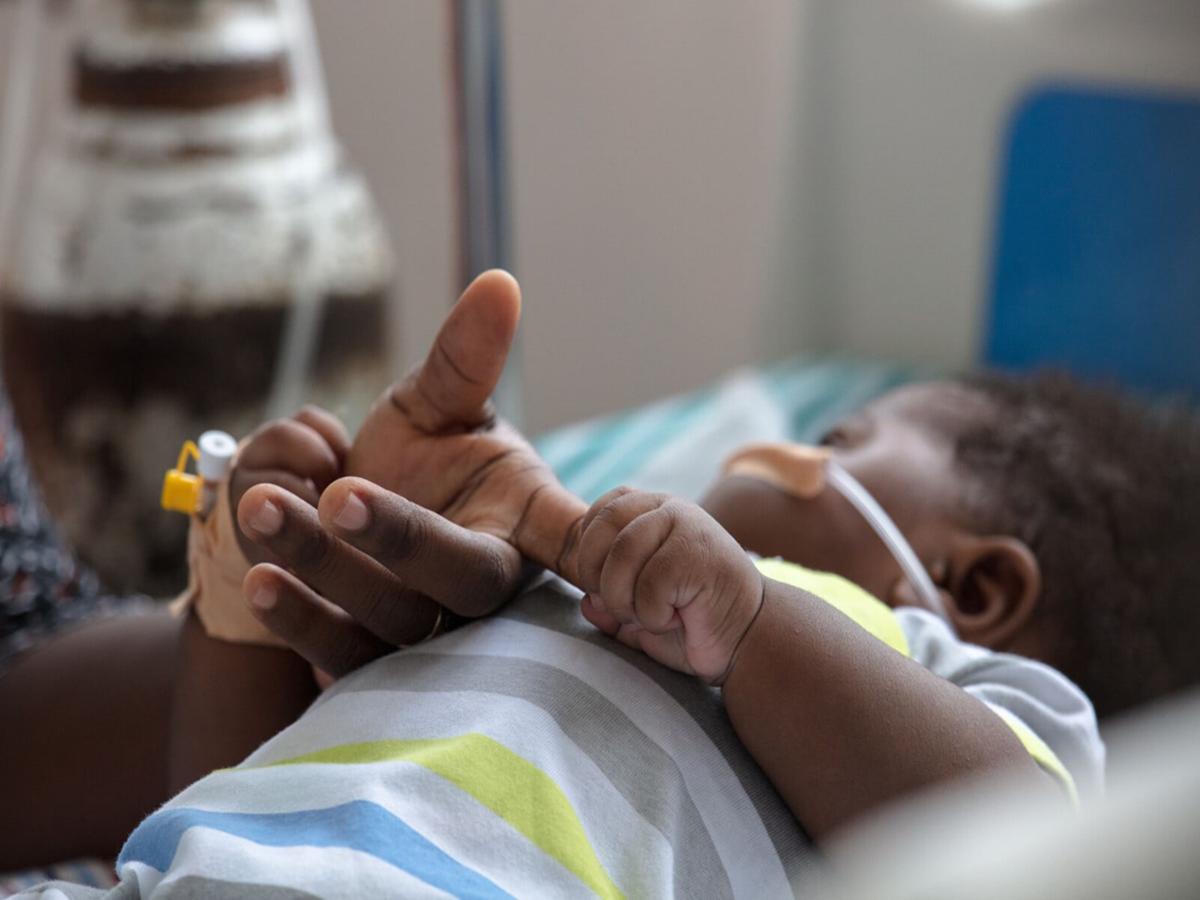
New born Care In India: According to the report, between the years 2014 and 2024, there has been a 41 percent reduction in the mortality rate of children under five years of age in India.
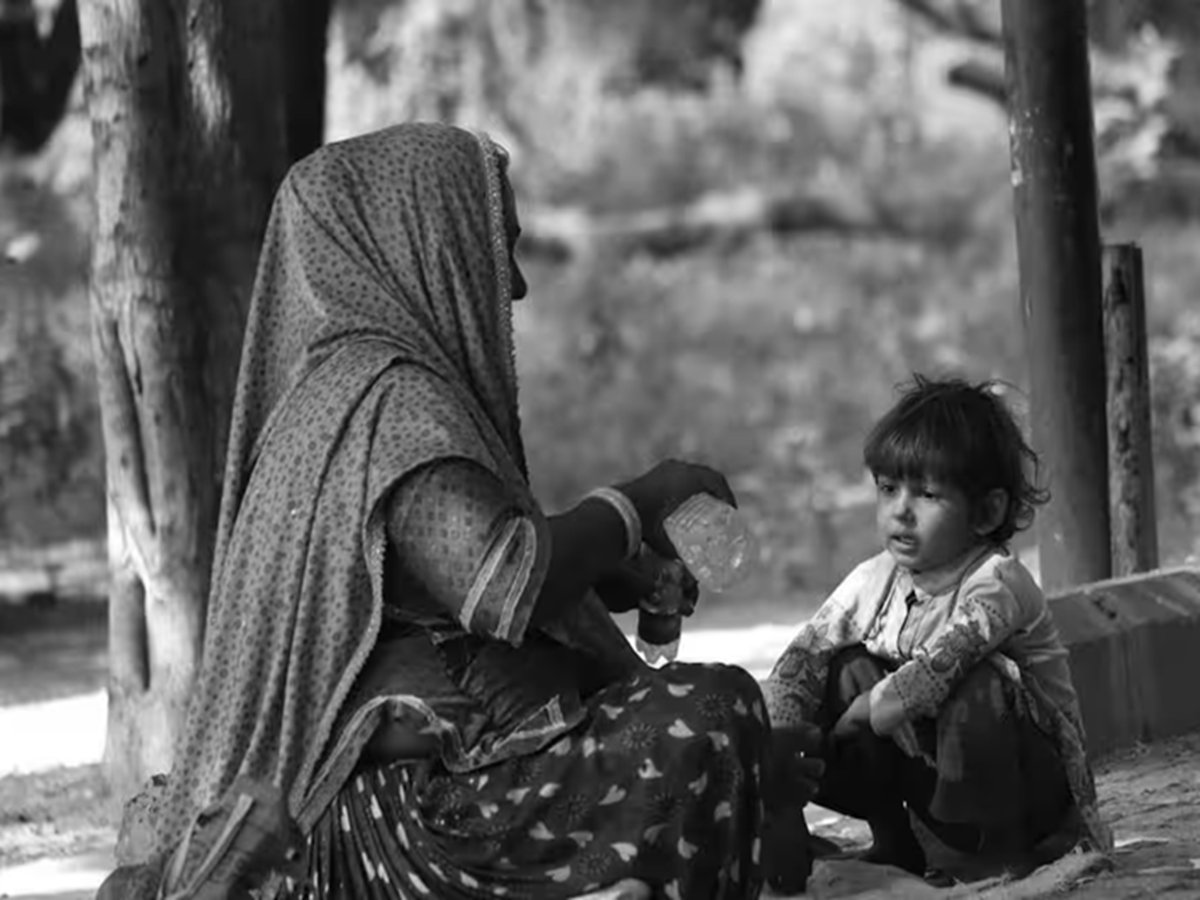
India's success in reducing child deaths
How India Reduced Child Mortality Rate: In the last decade, India has achieved such an achievement in the field of child health, which is now being discussed all over the world. According to the recently released UN Inter-Agency Group for Child Mortality Estimation 2025 report, between the years 2014 and 2024, there has been a 41 percent reduction in the mortality rate of children under five years of age in India. There has been a 37 percent decline in the neonatal mortality rate. Notably, this achievement is much better than the global average, where during the same period, a reduction of 18 percent in the child mortality rate and 15 percent in neonatal mortality rate was recorded.
What is the reason behind this success?
Experts believe that this success is not the result of a single scheme, but rather the result of continuously strengthening health services for mothers and children. Over the past few years, India has prioritized health care from pregnancy to the child's early years. According to the recently released NFHS-6 (2023-24) report, 76.2 percent of women received antenatal care in the first trimester of pregnancy. Institutional deliveries have increased to 90.6 percent, up from 88.6 percent previously. Similarly, deliveries under the supervision of trained health workers have also increased from 89.4 percent to 91.3 percent.
Significant improvement in care was recorded?
The time immediately after birth is considered the most sensitive for children. Keeping this in mind, India has expanded healthcare facilities extensively to care for newborns. More than 1,100 dedicated newborn care units and neonatal intensive care units have been established across the country. These units are complemented by 2,868 newborn stabilization units, which provide specialized care to more than 1.5 million sick and vulnerable newborns each year.
Vaccination also plays a role
Vaccination has been a major factor in improving child health. According to NFHS-6, full vaccination coverage among children aged 12 to 23 months has increased from 76.6 percent to 82.6 percent. Rotavirus vaccine coverage has also seen a significant jump, rising from 36.4 percent to 85.4 percent. India has also made significant progress in the field of nutrition. Stunting, or low height for age, among children under five has declined from 35.5 percent to 29.3 percent. The rate of severe malnutrition has also declined from 7.7 percent to 5.5 percent.
Millions of children's lives could be saved.
Dr. Vinod K. Paul, former Member (Health and Nutrition), NITI Aayog, believes that India's achievement is not just a national success but has become an example for developing countries around the world. He says that a strong health system, the role of frontline health workers, and the effective use of technology have led to India's significant success in reducing child mortality. This achievement demonstrates that with the right policies and sustained efforts, millions of children's lives can be saved and future generations can be provided with better health.