Taxpayers await clarity on future of old tax slabs as Budget 2026-27 approaches
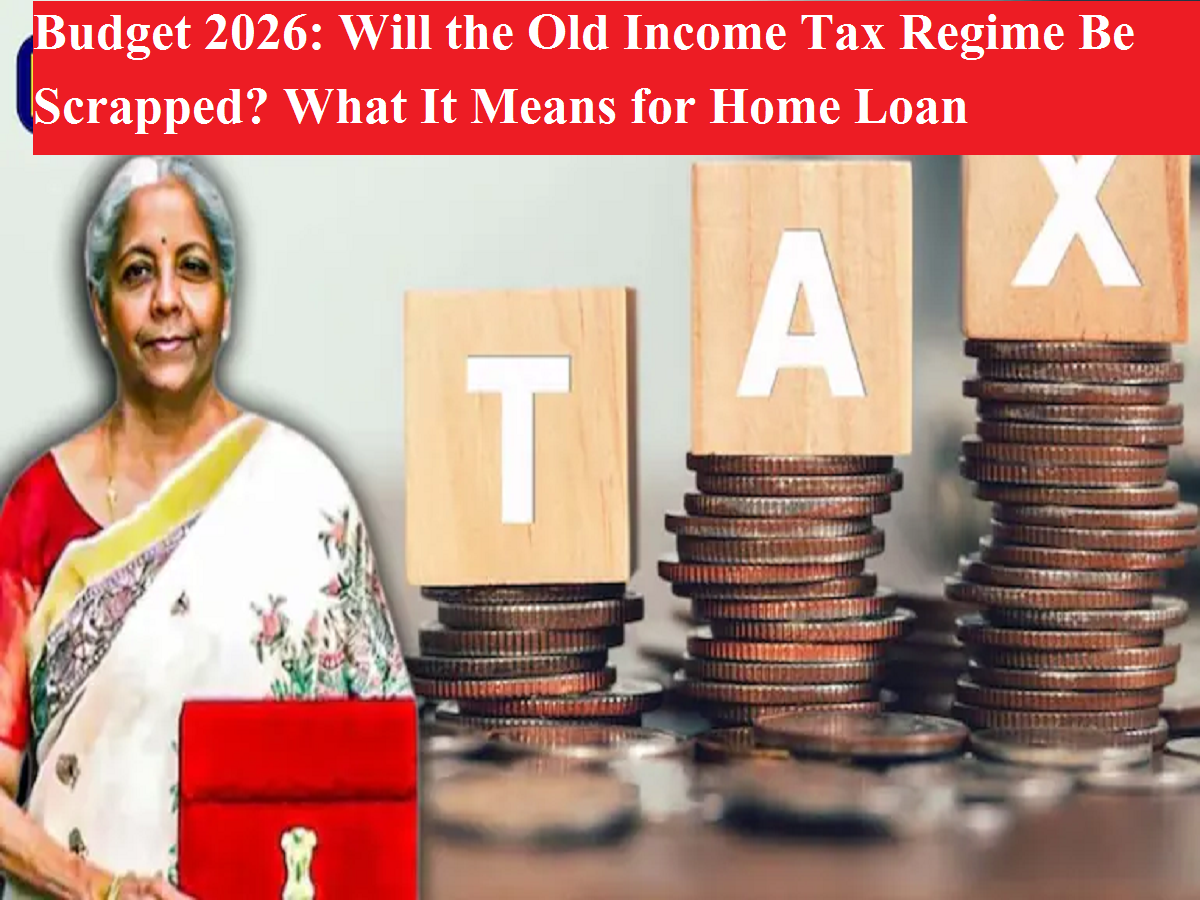
With the Union Budget 2026-27 set to be presented shortly, curiosity and concern are growing among taxpayers across the country. One of the most debated questions is whether the government will discontinue the old income tax regime and move entirely to the new tax system.
This issue is especially important for the middle class and individuals who have taken home loans, as the old tax regime offers several deductions and exemptions that help reduce tax liability. As the budget day draws closer, people are eager to know whether these benefits will continue or be phased out.
Two Tax Systems Currently Exist
At present, taxpayers can choose between two income tax structures:
- Old Tax Regime – Allows multiple deductions and exemptions such as House Rent Allowance (HRA), home loan interest, Section 80C investments, and health insurance premiums.
- New Tax Regime – Offers lower tax rates with fewer deductions and exemptions.
From the financial year 2025-26, the government made the new tax regime the default option. This means that if a taxpayer does not actively choose a tax structure, the new regime automatically applies. This policy shift has triggered speculation that the old tax regime may eventually be removed.
However, tax professionals believe that completely eliminating the old regime in Budget 2026 is unlikely, as a large number of taxpayers still depend on it for tax savings.
Why Is There Talk of Ending the Old Tax Regime?
The government has been encouraging the new tax system for the past few years because it simplifies tax filing and reduces paperwork. The idea is to create a cleaner and more transparent tax structure with fewer exemptions and straightforward slabs.
By making the new regime the default choice, the government signaled its intention to gradually move taxpayers toward it. This has raised concerns that the old system may soon be withdrawn.
Still, experts argue that a sudden removal would negatively affect those who rely on deductions, especially salaried individuals with housing loans and families living in metro cities.
Why the Old Tax Regime Matters for Home Loan Borrowers
According to tax consultant Hita Desai, the old tax regime remains extremely important for people living in major cities due to benefits such as HRA and home loan deductions.
Under the old system:
- Taxpayers can claim up to ₹2 lakh per year as a deduction on home loan interest (Section 24).
- An additional ₹1.5 lakh deduction is available under Section 80C for principal repayment and other investments.
- Other deductions include health insurance under Section 80D, education loan interest under Section 80E, and investments in LIC, PPF, and ELSS funds.
If the old tax regime is abolished without offering similar benefits in the new regime, home loan borrowers could face a significantly higher tax burden.
Who Benefits from the New Tax Regime?
The new tax regime is designed for individuals who prefer simplicity over tax planning. It offers:
- Lower and simpler tax slabs
- No requirement to submit proof of investments
- Less paperwork and easier filing
Under the new regime, income up to ₹12 lakh is effectively tax-free due to rebates. This makes it attractive for young professionals and salaried individuals who do not invest heavily in tax-saving instruments.
As a result, a growing number of taxpayers are opting for the new system each year.
Why Many Still Prefer the Old Tax Regime
Despite the push toward the new regime, the old tax system continues to be popular among:
- Senior citizens
- Home loan borrowers
- Taxpayers who actively use deductions and exemptions
These groups benefit significantly from structured tax planning. For them, the old regime often results in lower overall tax liability compared to the new one.
Experts believe that unless the new tax regime offers comparable housing and savings-related benefits, it will be difficult for the government to completely withdraw the old system.
What to Expect from Budget 2026
While no official announcement has been made, tax analysts feel that the government may continue with both regimes for now and focus instead on making the new regime more attractive.
Any major decision regarding the old tax regime is expected to be gradual rather than abrupt, to avoid financial disruption for millions of taxpayers.
Conclusion
As Budget 2026 approaches, the future of the old income tax regime remains uncertain. For home loan borrowers and middle-class families, the decision will have a direct impact on their tax planning and monthly budgets.
Until the budget speech provides clarity, taxpayers are advised to remain informed and evaluate both tax regimes carefully based on their income structure and deductions.