LIFESTYLE
Brain Tumor Symptoms: When does a minor headache become a serious threat? Learn from your doctor about the hidden symptoms of a brain tumor.
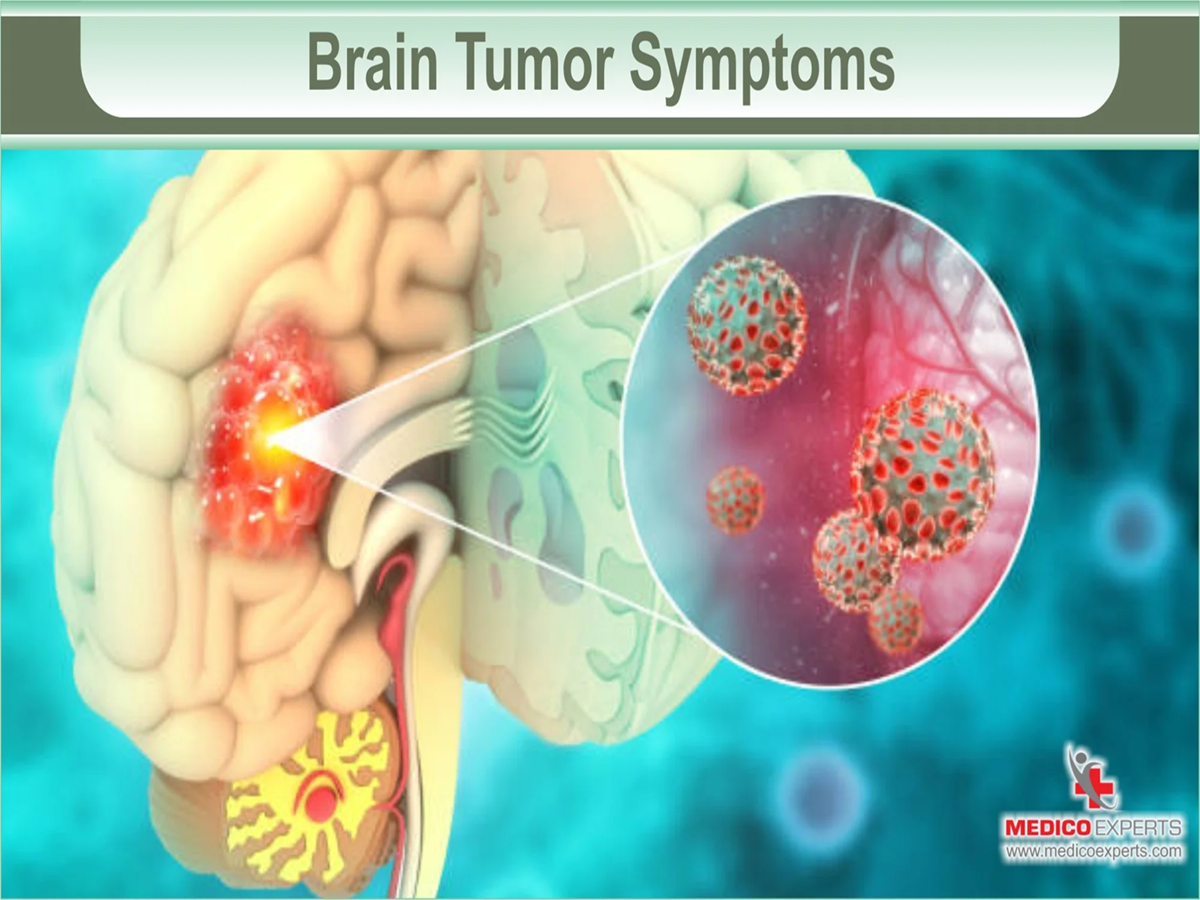
Balance Problems: Not every headache is a cause for concern, but if the pain is increasing, recurring, wakes you up from sleep, or feels different than before, then you should consult a doctor.
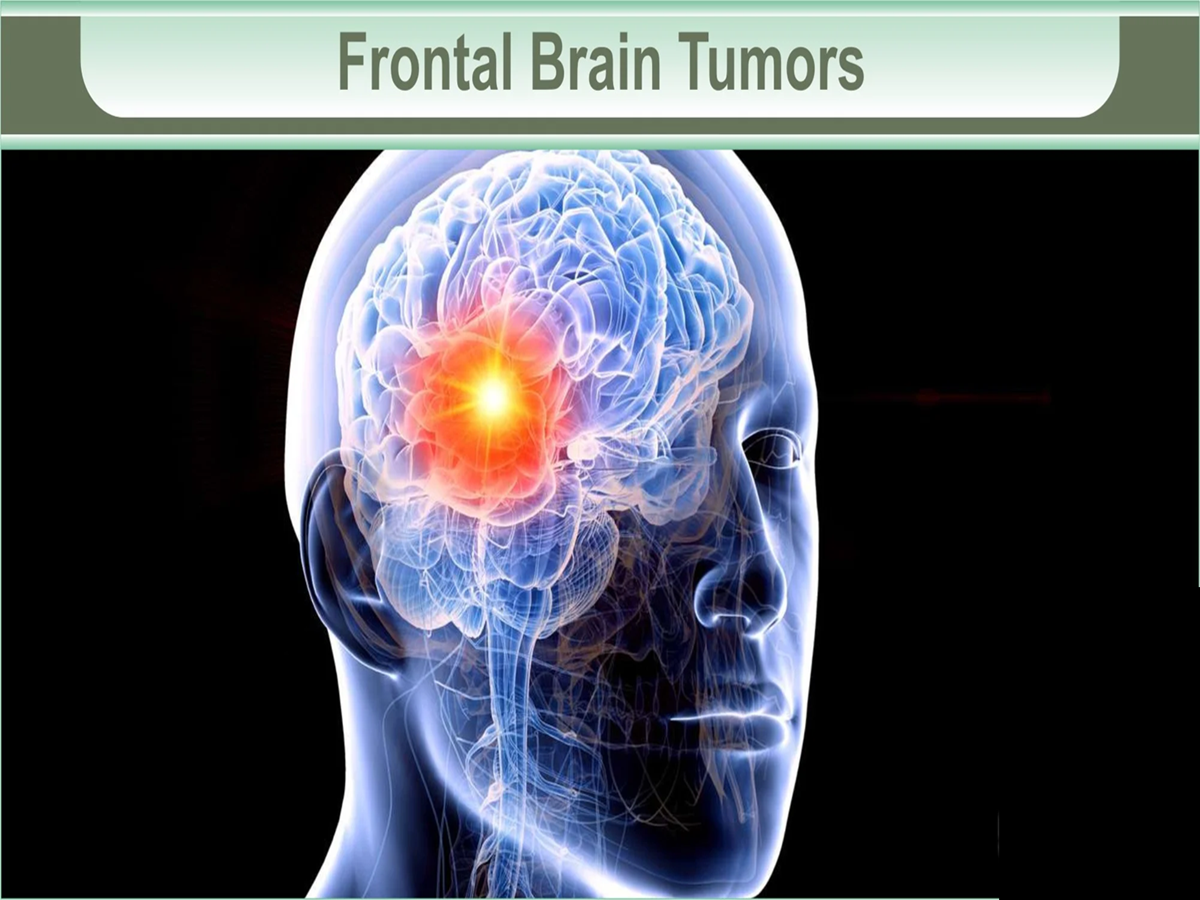
When can a headache be a sign of a brain tumor?
Early Warning Signs of Brain Tumor: Headaches are a problem that almost everyone experiences at some point. In most cases, they're caused by common conditions like stress, lack of sleep, dehydration, prolonged screen time, or fatigue. A little rest, plenty of water, and medication, if needed, can help with headaches. However, if headaches recur frequently, feel different from before, or are accompanied by unusual symptoms, it's best not to ignore them.
This serious illness can have symptoms.
People often believe that the first sign of a brain tumor is an unbearable headache, but the reality is different. Sometimes the initial symptoms are so mild that people mistake them for stress, aging, or work pressure. This is why diagnosis is often delayed. According to the National Institute of Neurological Disorders and Stroke, the symptoms of a brain tumor depend on its size, location, and rate of growth. Besides headaches, memory changes, vision loss, behavioral changes, seizures, and loss of balance can also be signs.
How does a brain tumor start?
Dr. Ujjwal Yeole told TOI that it's a common misconception that brain tumors always begin with headaches. Many patients initially experience memory loss, difficulty concentrating, or behavioral changes. Some develop difficulty speaking, while others experience blurred vision. Since each part of the brain controls different functions, the effects of the tumor appear accordingly.
When should you see a doctor?
According to Dr. Ujjwal Yeole, not every headache is a cause for concern, but if the pain persists, recurs, awakens you from sleep, or feels different than usual, you should consult a doctor. Especially if it's accompanied by vomiting, blurred vision, weakness, confusion, or other neurological symptoms, it's important to get tested. Research from the National Institute of Neurological Disorders and Stroke also suggests that headaches associated with serious neurological problems can worsen over time and may be accompanied by other symptoms.
What are its symptoms?
Some signs of a brain tumor are often recognized by family members before the patient. Sudden irritability, changes in speech, withdrawal from social activities, or frequent forgetfulness can be signs that people often ignore, mistaking them for mental stress. Similarly, blurred or double vision, loss of balance while walking, weakness in the limbs, or difficulty finding the right words can also be warning signs. Currently, there is no surefire way to completely prevent a brain tumor. However, recognizing the symptoms early and getting tested is the most important step.