NEWS
Blue Aadhaar for Children: How It Differs From Regular Aadhaar and When Biometrics Must Be Updated
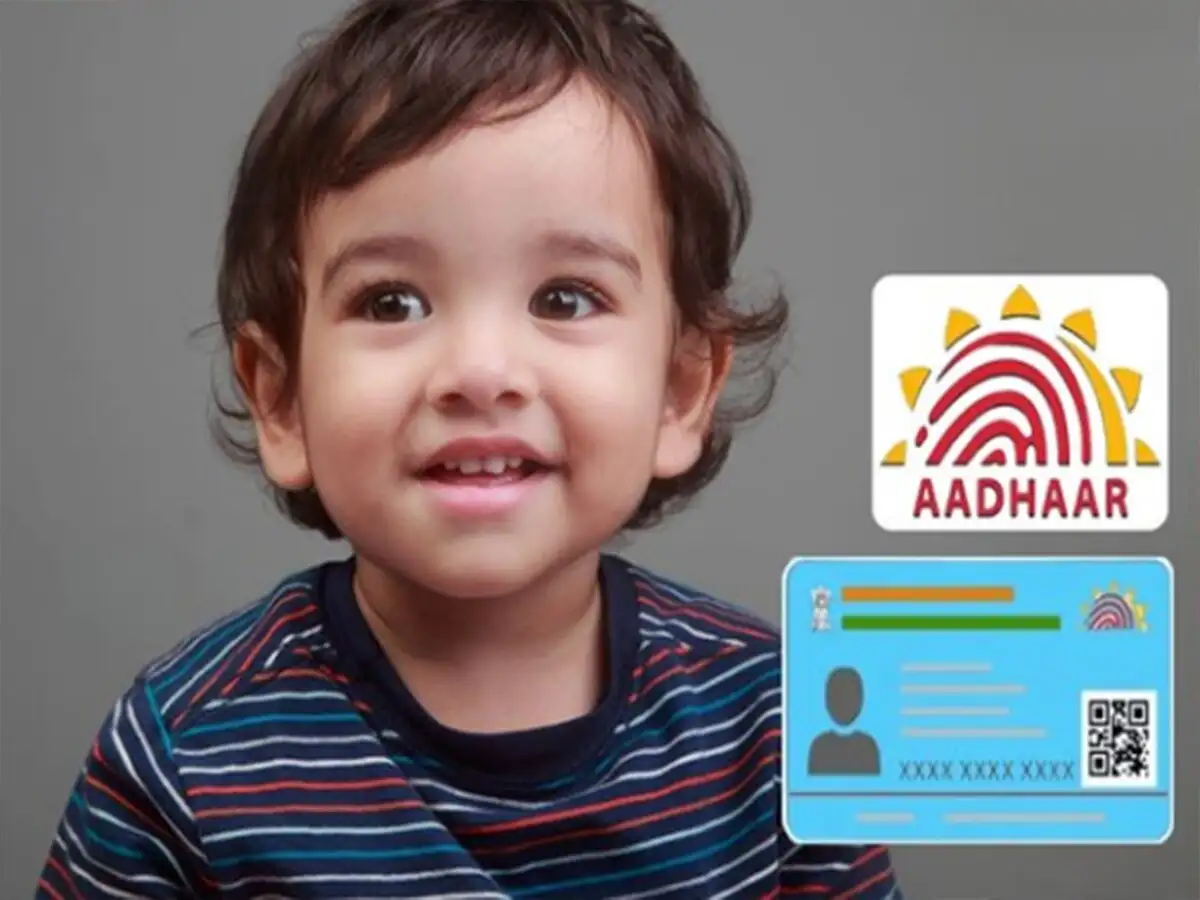
Aadhaar has become an important identity document in India and is commonly used for identity verification while accessing banking services, government benefits and several other facilities. While most people are familiar with the regular Aadhaar card, parents may also come across a special Aadhaar issued for young children, commonly known as Blue Aadhaar or Baal Aadhaar.
The difference between Blue Aadhaar and regular Aadhaar is not simply the colour of the document. The enrolment process for young children is different because their biometric features are still developing. There are also specific rules regarding biometric updates as a child grows older.
Parents planning to enrol their child for Aadhaar should therefore understand how Baal Aadhaar works and what needs to be done when the child reaches the ages of five and 15.
What Is Blue Aadhaar or Baal Aadhaar?
Blue Aadhaar is the Aadhaar issued to children below the age of five. It is designed to provide an Aadhaar identity to young children even though their fingerprints and iris characteristics are not considered stable enough for the usual biometric enrolment process at that age.
For a child below five, Aadhaar enrolment primarily includes the child's photograph and demographic information. Fingerprints and iris scans are generally not captured during this stage.
The child's Aadhaar enrolment is also linked with the Aadhaar details of a parent or guardian as required under the applicable enrolment process.
Blue Aadhaar vs Regular Aadhaar: What Changes?
The most important distinction concerns biometric information.
For children under five, Baal Aadhaar is issued without capturing their fingerprints and iris biometrics. Their photograph and required demographic information are recorded during enrolment.
A regular Aadhaar enrolment, depending on the person's age and applicable UIDAI rules, includes biometric details such as fingerprints, iris scans and a photograph.
Another important difference is that a child's Aadhaar requires biometric updates at specified ages. This ensures that the Aadhaar database contains biometric information that reflects the child's physical development.
First Mandatory Biometric Update After the Child Turns Five
Parents should not assume that the Aadhaar process is complete permanently once Baal Aadhaar has been issued.
When a child crosses the age of five, the biometric details need to be updated. At this stage, biometric information that was not captured during the initial Baal Aadhaar enrolment is collected.
The update generally involves capturing the child's fingerprints, iris scans and photograph in accordance with UIDAI's applicable procedure.
Parents should therefore keep track of the child's age and complete the mandatory biometric update at the appropriate time.
Another Biometric Update Is Required Around Age 15
There is another important Aadhaar milestone when the child reaches 15 years of age.
Biometric characteristics can change significantly as children grow. For this reason, Aadhaar rules provide for another mandatory biometric update after the child reaches the prescribed age.
During this process, the child's biometric details are captured again so that the Aadhaar record contains updated information.
This makes ages five and 15 particularly important for parents managing their child's Aadhaar records.
How to Apply for Baal Aadhaar
Parents or guardians who want to enrol a child for Aadhaar can visit an authorised Aadhaar Enrolment Centre. Depending on availability, an appointment may also be booked through UIDAI's official online services.
At the enrolment centre, parents need to provide the required documents. These may include the child's birth certificate or another accepted proof of birth, along with the Aadhaar details and documents of the parent or guardian as required under current UIDAI rules.
The child's photograph and demographic details are then recorded. For children below five, fingerprints and iris scans are generally not captured.
Once the enrolment formalities and verification requirements are completed, Aadhaar is generated for the child.
Are There Charges for Baal Aadhaar and Biometric Updates?
New Aadhaar enrolment is free. UIDAI also provides rules regarding mandatory biometric updates for children at the prescribed ages.
Parents should check the latest fee structure before visiting an enrolment centre, particularly because UIDAI can revise charges, documentation requirements and procedures from time to time.
Using the official UIDAI website or an authorised Aadhaar centre is the safest way to verify the latest requirements.
Important Aadhaar Points Parents Should Remember
Parents should remember that obtaining Baal Aadhaar is only the first stage of maintaining a child's Aadhaar information.
Children below five can be enrolled for Aadhaar without their fingerprints and iris biometrics being captured. Once the child reaches five, the mandatory biometric update should be completed. Another biometric update becomes relevant when the child reaches 15.
Parents should also periodically check whether the mobile number and other information associated with the Aadhaar record remain correct.
Most importantly, Aadhaar enrolment or updates should be carried out only through authorised channels. Parents should rely on official UIDAI information for the latest rules on documents, fees, appointments and biometric updates rather than depending on unverified messages or third-party claims.
Keeping these Aadhaar milestones in mind can help parents ensure that their child's identity information remains accurate and up to date as they grow.