NEWS
Big news: You can now choose your vehicle-specific ethanol blend at petrol pumps, a new rule is in place – report
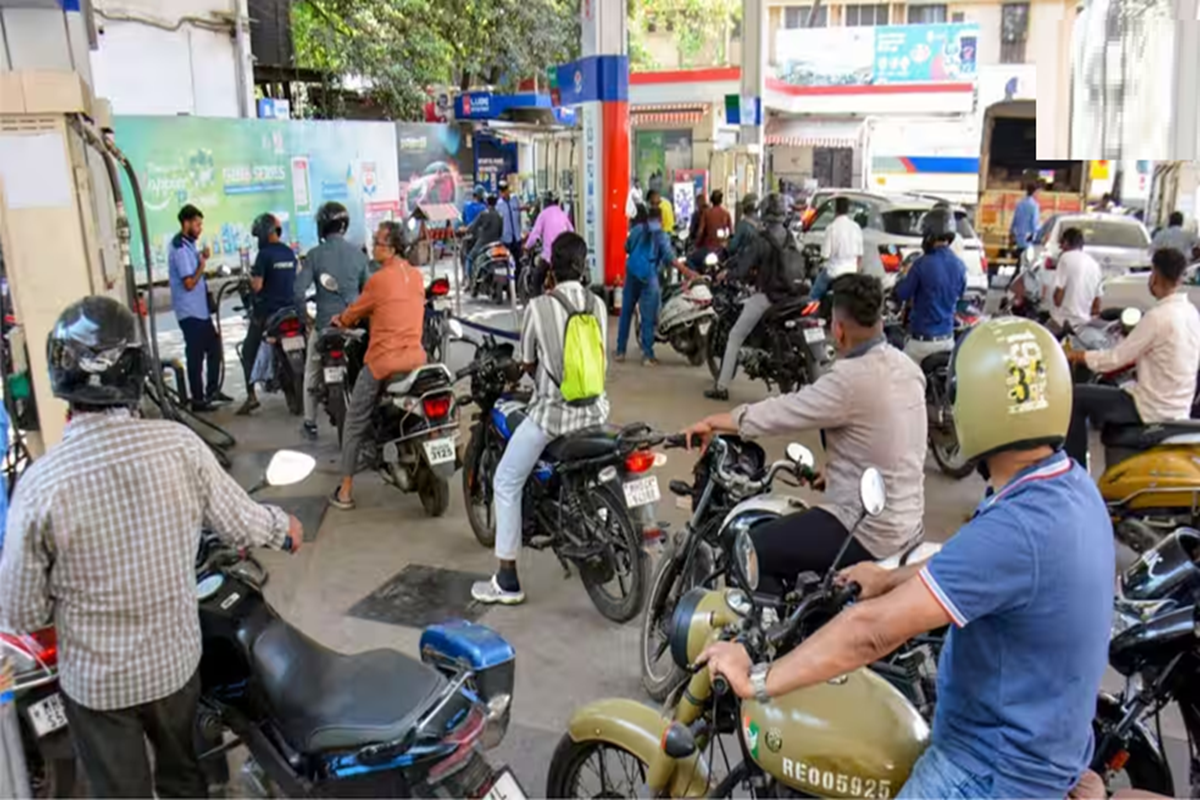
Ethanol Blend options in Fuel Stations: Under this new government rule, consumers will be able to choose from different ethanol blends, such as E20, E22, E25, and E30. Work is underway to implement this.
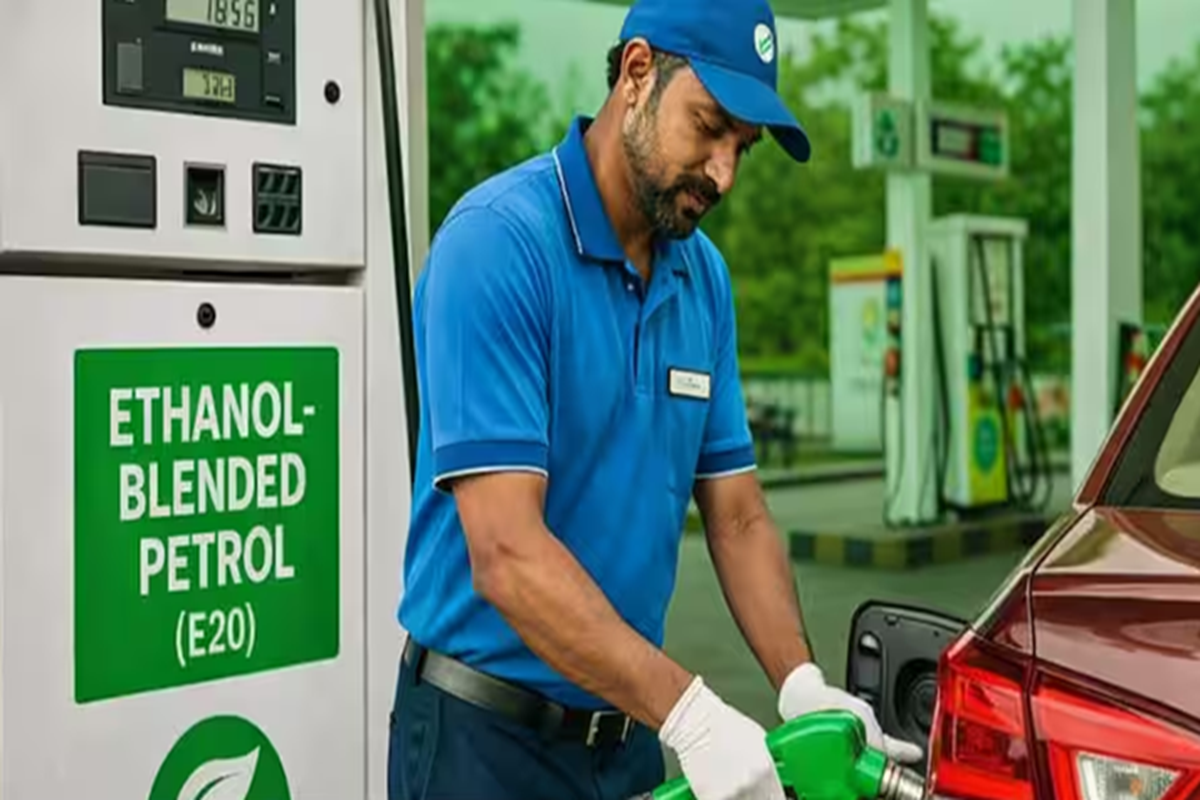
Fuel stations will now offer the option to choose ethanol blending.
Ethanol Blend: There's some big news for motorists across the country. The government is working toward implementing a "supermarket-style choice." This will allow fuel stations to offer drivers a choice of petrol with different ethanol blends, allowing customers to choose fuel based on their vehicle's compatibility.
The Mint, citing sources, reported that the government has advised oil companies to prepare dispensing infrastructure for E20, E22, E25, and E30 fuel variants. This move comes after the Bureau of Indian Standards implemented regulations for new ethanol blends and the government's proposal in April to allow vehicles running solely on ethanol.
The government's motive behind this
The Ministry of Petroleum and Natural Gas is working rapidly to implement this rule. India has already achieved the target of 20% ethanol blending (E20), and now, through this new policy, the government aims to increase ethanol blending to 25% (E25) and 30% (E30) in the next 1-2 years (by 2027-2028). This will significantly reduce India's dependence on crude oil imports. The more ethanol options available at petrol pumps, the faster oil imports will decrease. This will save the government billions of dollars.
Another advantage is that since ethanol is primarily made from sugarcane juice, corn, and damaged grains, when demand increases at petrol pumps, the government will have to purchase large quantities of ethanol. This will directly benefit the country's farmers and sugar mills, who will receive fair prices for their crops.
Advantages of Ethanol
The biggest advantage of using ethanol is that it emits fewer harmful gases like carbon monoxide than petrol. Consequently, the government has directed automobile companies to develop engines for cars and two-wheelers that can handle fuels above E20, such as E25, E27, and E30, without any problems.
This move to use ethanol on a large scale will be a game-changer in reducing pollution in cities. However, this will still require investment in separate dispensing systems, storage infrastructure, blending control, and fuel quality monitoring mechanisms. Speaking to Mint, a source said, “The ethanol-blended petrol sold at fuel stations will have to be clearly displayed at dispensing pumps so that customers can easily identify which fuel they are buying. Retail outlets will have to label the different types of fuel.”