LIFESTYLE
Bathroom Ceiling Black Spots: Why are there black spots on your bathroom ceiling? How to prevent mold in winter
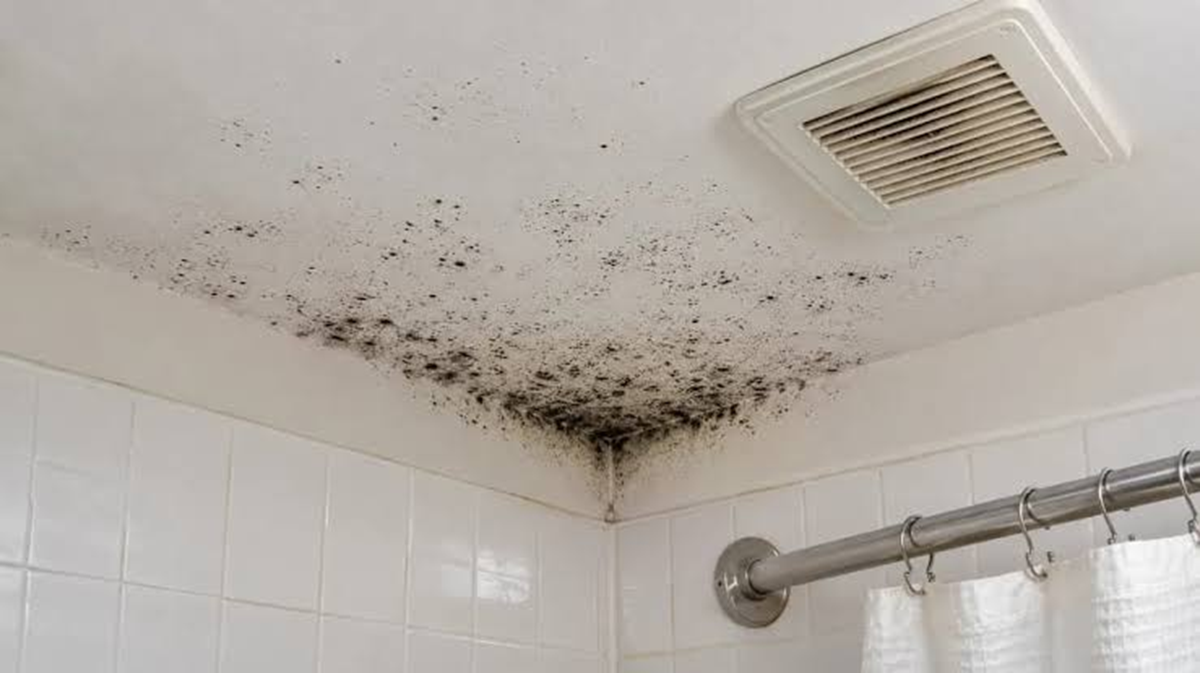
White Vinegar for Mold: The main causes of mold in bathrooms are humidity and heat. Hot showers create a lot of steam. Splashes and steam can cause moisture to accumulate on ceilings and walls.
Remove Black Mold From Bathroom Ceiling: If black spots appear on the bathroom ceiling after a hot shower, don't ignore them, thinking they're just dirt. These marks could be mold. Hot showers in winter increase steam and humidity, which can lead to rapid mold growth. Fortunately, some simple methods can not only clean the mold but also prevent it from forming again.
What causes black spots on bathroom ceiling?
The main causes of mold growth in bathrooms are humidity and heat. Hot showers create a lot of steam. Splashes and steam can cause moisture to accumulate on ceilings and walls. If this moisture persists for a long time, it creates an opportunity for mold to grow. The problem is further exacerbated by poor ventilation in the bathroom. Air cannot escape, leaving the room damp for extended periods. This environment is conducive to mold growth.
How to clean mold with white vinegar
If black mold stains are visible on the ceiling, white vinegar can be used. Fill a spray bottle with undiluted white vinegar and spray it directly onto the moldy area. There's no need to scrub the ceiling immediately after applying the vinegar. Let it sit for an hour or more. Then, scrub the moldy area thoroughly with a stiff-bristled brush. Once the black stains are gone, wipe the area with a dry, clean cloth.
Keep these things in mind when cleaning mold.
Some caution is necessary when removing mold from the ceiling. Brushing can spread mold particles into the air. Therefore, it's best to wear a mask, rubber gloves, and protective eye protection goggles while cleaning. Avoid reusing the brushes and cleaning cloths. If using a ladder to reach the ceiling, place it in a sturdy and secure location.
Avoid allowing moisture to linger in the bathroom.
To prevent mold from forming again, it's crucial to keep moisture in the bathroom. After showering, if there's a window in the bathroom, open it briefly. This will help release steam and moisture. If there's no window, use an exhaust fan. This helps remove moist air from the bathroom. Running the exhaust fan for a short time after a hot shower can help reduce moisture in the bathroom.
Is the exhaust fan working properly?
If steam persists in the bathroom despite the exhaust fan being installed, the fan may need cleaning. Dirt buildup can affect air flow. If the fan isn't working at all, it needs repair. Frequent mold growth on the bathroom ceiling could indicate that moisture isn't being properly vented from the room.
Bleach and hydrogen peroxide don't work everywhere
Bleach and hydrogen peroxide are also used to clean mold. However, they don't have the same effect on porous surfaces as they do on flat surfaces. Mold can persist on surfaces like drywall, while they can be used on flat surfaces like tile.
What should I do to prevent mold from forming again after cleaning?
After cleaning the mold, it's crucial to prevent moisture from accumulating in the bathroom. Open a window or run an exhaust fan after each hot shower. This will allow steam to escape quickly and reduce the chance of moisture accumulating on the ceiling. White vinegar can also be used to prevent mold from returning to the affected area.