TRAVEL
Banswara Travel Guide: Discover Rajasthan’s ‘City of 100 Islands’, Lakes, Hills and Hidden Attractions
Mention Rajasthan and images of vast deserts, camel rides, magnificent forts and dry landscapes usually come to mind. However, one corner of the state offers a surprisingly different experience, filled with green hills, lakes, rivers and forests.
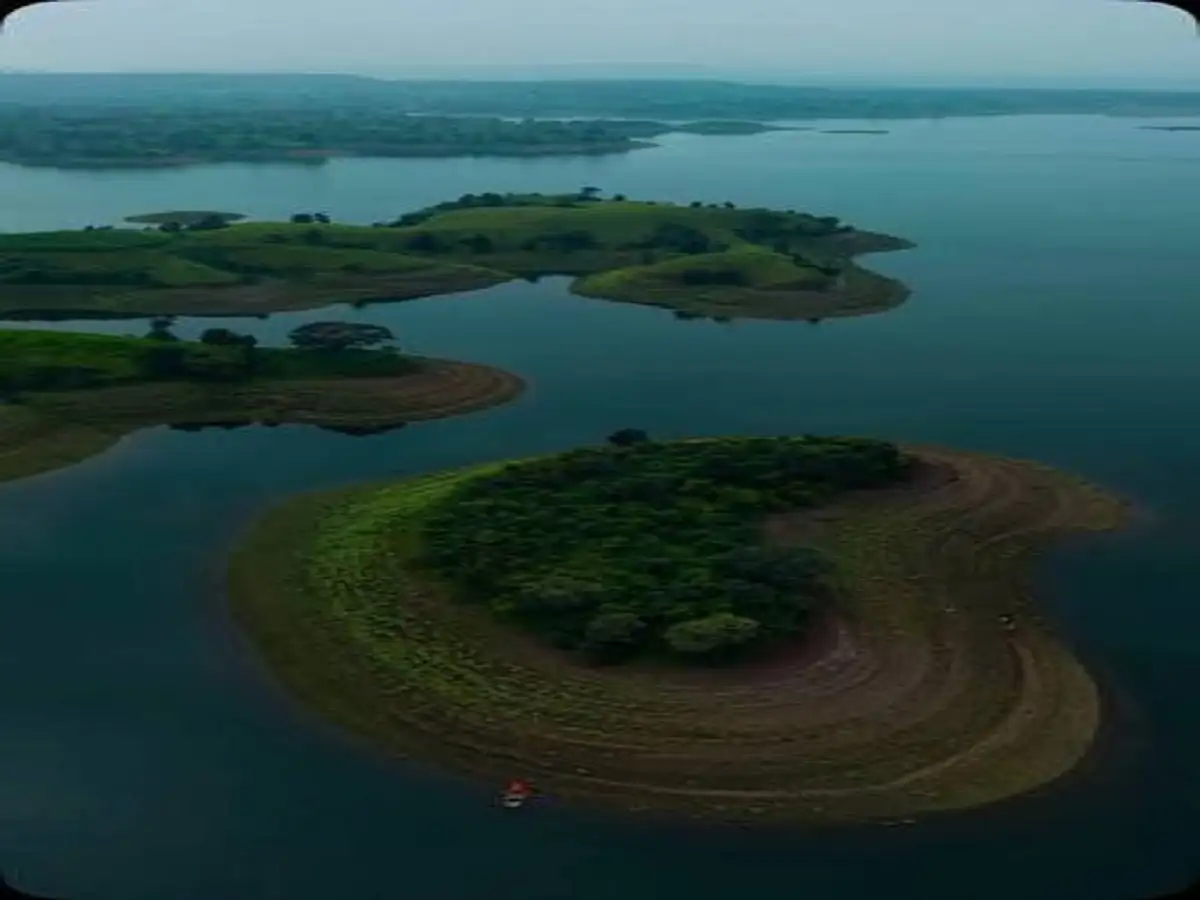
That destination is Banswara, a city in southern Rajasthan often popularly described as the “City of 100 Islands.” With numerous small islands visible around the Mahi River and its reservoir landscape, Banswara presents a greener side of Rajasthan that many travellers may not immediately associate with the state.
Along with natural beauty, the region offers religious sites, tribal heritage, forests and waterfalls, making it an interesting option for travellers looking beyond Rajasthan's more famous tourist circuits.
Banswara's History and the Story Behind Its Name
The history of Banswara is closely connected with the region's tribal heritage. According to accounts associated with Rajasthan tourism, one explanation links the city's name to the abundance of bamboo, or “bans,” that once grew in the area.
Another historical account associates the name with Bansia, a Bhil ruler connected with the region's past.
The Bhil community has long had an important presence in this part of Rajasthan. Its influence can still be observed in the region's traditions, festivals, cultural practices and local way of life.
This cultural identity gives Banswara a character that is noticeably different from several of Rajasthan's better-known desert destinations.
Why Is Banswara So Green?
One of the first things visitors may notice about Banswara is its greenery.
Its geography and comparatively favourable rainfall make the district greener than many parts of Rajasthan. The presence of the Mahi River, reservoirs, forests and agricultural land further contributes to its distinctive landscape.
The fertile areas around Banswara support several crops, including maize, wheat, rice, cotton, soybean and gram.
Teak forests can also be found in the region, while trees such as mango, date palm and mahua contribute to the area's vegetation.
During and after the monsoon, the combination of green hills and water bodies can make the landscape particularly striking.
Why Is Banswara Called the ‘City of 100 Islands’?
Banswara's popular tourism identity comes largely from the numerous small islands associated with the Mahi River and its reservoir system.
These scattered patches of land surrounded by water have helped Banswara earn the nickname “City of 100 Islands.”
The scenery becomes especially attractive during the rainy season, when water levels rise and the surrounding hills turn greener. From suitable viewpoints, visitors can see a landscape of water, islands and rolling hills that looks very different from the stereotypical image of Rajasthan.
The “100 islands” description is best understood as Banswara's popular tourism nickname rather than a precise promise that visitors will see exactly 100 individually marked tourist islands.
Best Places to Visit in Banswara
Banswara offers a combination of natural, historical and religious attractions.
Mahi Dam is among the area's prominent landmarks and plays a major role in the water-rich landscape for which the region is known.
Visitors interested in lakes and peaceful surroundings can explore Anand Sagar Lake and Dialab Lake, while Kagdi Pick Up Weir is another popular spot associated with water and greenery.
Religious travellers can consider visiting Tripura Sundari Temple, Madareshwar Temple, Vitthal Dev Temple, Talwara temples and Andeshwar Parshwanath Ji.
Abdullah Pir is another important religious site in the area.
Travellers interested in history and tribal heritage can also explore Mangarh Dham, a significant site connected with the history of tribal communities in the region.
Other attractions associated with the wider Banswara region include Ram Kund, Kalpavriksha, Paraheda, Raj Mandir, Singpura and Jua Waterfall.
Together, these destinations offer travellers a mixture of spirituality, history, local culture and outdoor scenery.
Monsoon Can Transform the Banswara Landscape
For travellers primarily interested in greenery, rivers and waterfalls, the monsoon and post-monsoon periods can showcase a particularly lush side of Banswara.
Rainfall can revive seasonal waterfalls, fill water bodies and cover surrounding hills in greenery.
At the same time, travellers visiting during heavy rainfall should check current weather forecasts and road conditions before travelling, as local conditions can change quickly.
How to Reach Banswara
Banswara can be reached by road from several cities in Rajasthan and neighbouring states.
For air travellers, Udaipur's Maharana Pratap Airport is among the major airports serving the wider region. Travellers can continue towards Banswara by road.
For rail travel, Ratlam in Madhya Pradesh is an important nearby railway connection, followed by a road journey to Banswara.
Bus and road connectivity also provide options for travellers arriving from other parts of Rajasthan, although schedules, routes and travel times should be checked before departure.
Discover a Different Side of Rajasthan
Banswara can be an interesting choice for travellers who want to see Rajasthan beyond its deserts, palaces and historic forts.
Its Mahi River landscape, green hills, lakes, forests, tribal heritage and religious destinations create an experience quite different from the state's more familiar tourist hotspots.
For nature lovers in particular, the combination of islands, reservoirs and monsoon greenery makes Banswara stand out.
So, if your Rajasthan travel plans usually revolve around Jaipur, Jaisalmer, Jodhpur or Udaipur, adding Banswara could introduce you to a lesser-explored side of the state—one where water, forests, hills and islands take centre stage instead of desert sands.