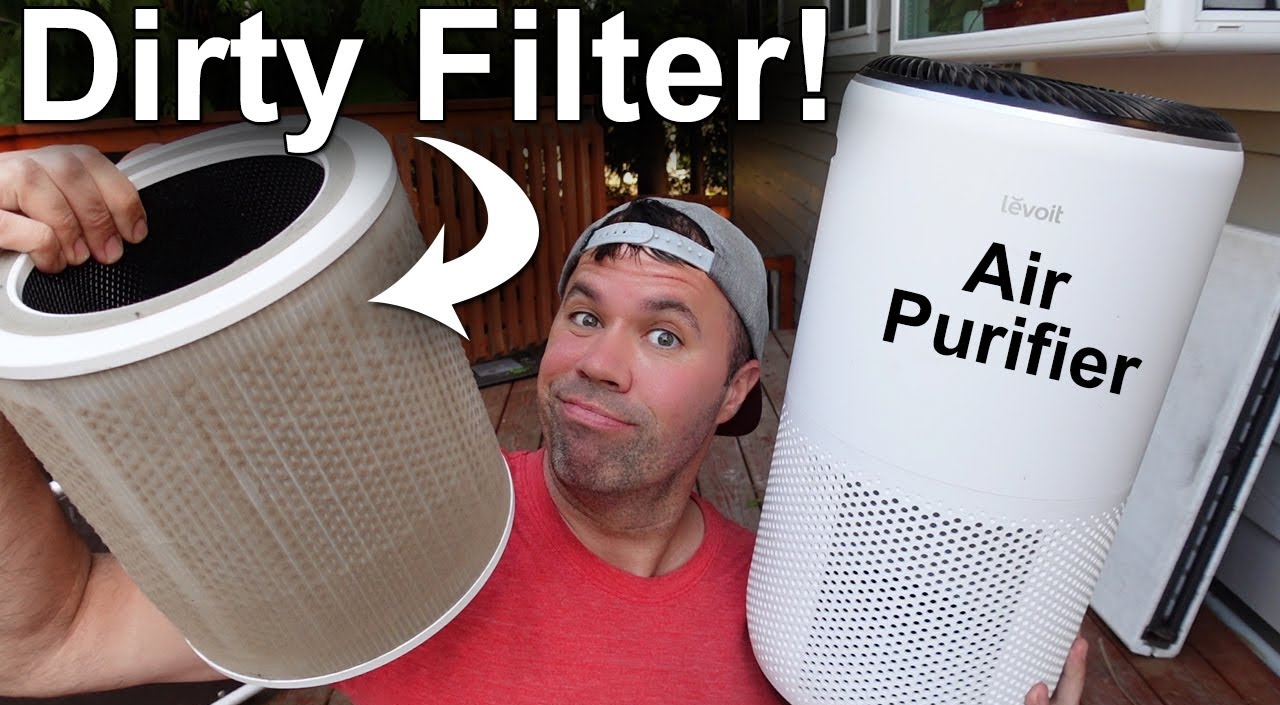
Air Purifier Filters: Is your air purifier truly cleaning toxic air or just wasting electricity? Buying without understanding the real difference between H13, H14, and HEPA-Type labels on the box can be costly.
Which air purifier filter should you buy?
Air Purifier Filters: With the arrival of winter, the air in many cities across the country becomes toxic, and the need for air purifiers in homes becomes felt. Whenever we go online or in a store to buy a new air purifier, we see technical terms like H13, H14, and HEPA-Type written on the box. Most people, without understanding their true meaning, simply buy a purifier for its low price and impressive design.
But let us tell you that the true power of an air purifier lies not in its machine but in its built-in filters. If you purchase a purifier with the wrong filter, even after spending thousands of rupees, the air in your room will not be clean. Understanding the difference between these filters is crucial to keeping your family safe from toxic PM2.5 particles and dust.
What is a HEPA filter, and what does H13-H14 mean?
HEPA stands for High-Efficiency Particulate Air, which is considered the most reliable measure of air cleanliness. True HEPA filters are classified into different grades based on international standards, with H13 and H14 being the most popular. An H13 grade filter has the ability to block up to 99.95 percent of extremely small particles, ranging from 0.1 to 0.3 microns, from the air.
It easily traps dust, pollen, smoke, and dangerous PM2.5 particles. The H14 grade, on the other hand, goes a step further, filtering up to 99.995 percent of fine particles and viruses. Simply put, while the H13 filter only lets in 5 out of 10,000 particles, the H14 filter reduces this number to just 0.5.
Why should you be wary of HEPA-type filters?
Many inexpensive air purifiers on the market have specifications labeled HEPA-Type, HEPA-Like, or HEPA-Style. While these designations sound similar to real HEPA, they're actually a marketing ploy by the companies. These filters don't meet any international standards and aren't officially tested. These filters do trap larger dust particles and hair floating in the air.
But they completely fail to block PM2.5 and ultra-fine smoke particles, which are the most damaging to the lungs. If you buy a purifier with a HEPA-type filter, lured by its low price, it will only consume electricity and you'll be deceived into believing it offers clean air. Therefore, when purchasing, be sure to look for "True HEPA" or "H13" on the box.
Which filter is best for your home?
The biggest question now is which filter is best for a typical home: H13 or H14. The H14 filter appears more suitable, but it's used in hospitals, operating theaters, and research labs. The H14 filter's layers are so dense that the purifier's motor has to exert considerable force to pull air through them.
This makes the machine noisier, increases power consumption, and reduces the room's air purification rate (CADR). Therefore, the H13 True HEPA filter is considered the best option for typical homes, offices, and children's rooms. It provides rapid air purification and complete protection from pollution. It's only advisable to purchase an H14 filter if someone in the household has severe asthma or allergies.