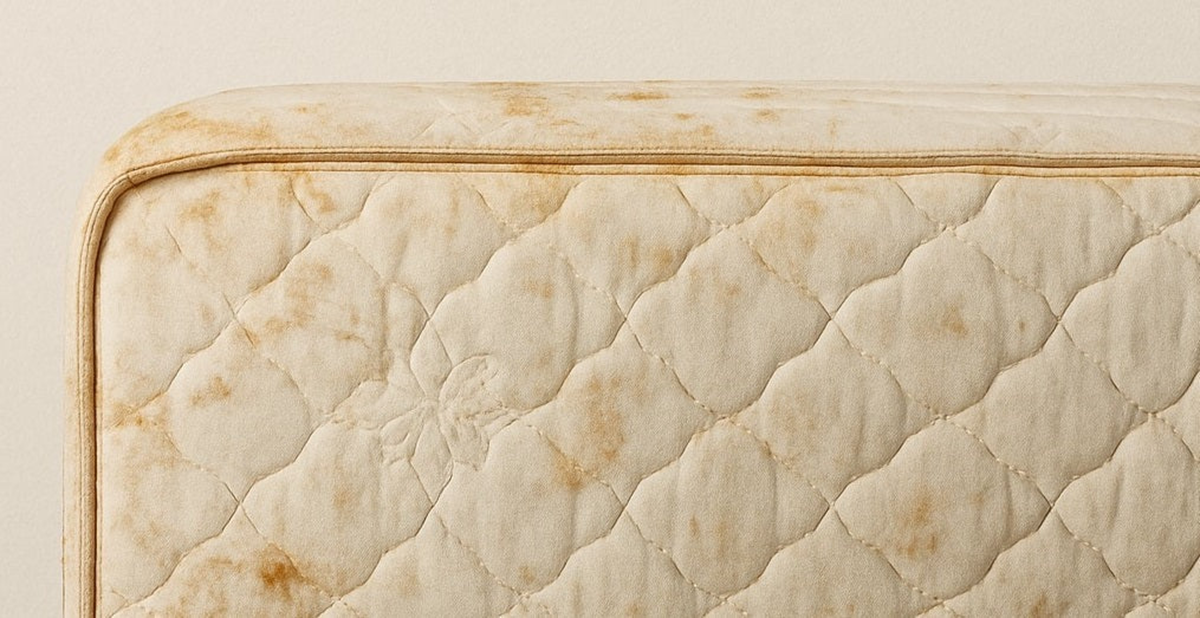
A mattress is a household item that is used for years after purchase. However, after a certain period, it begins to affect the quality of your sleep. Let's find out when its expiration date is.
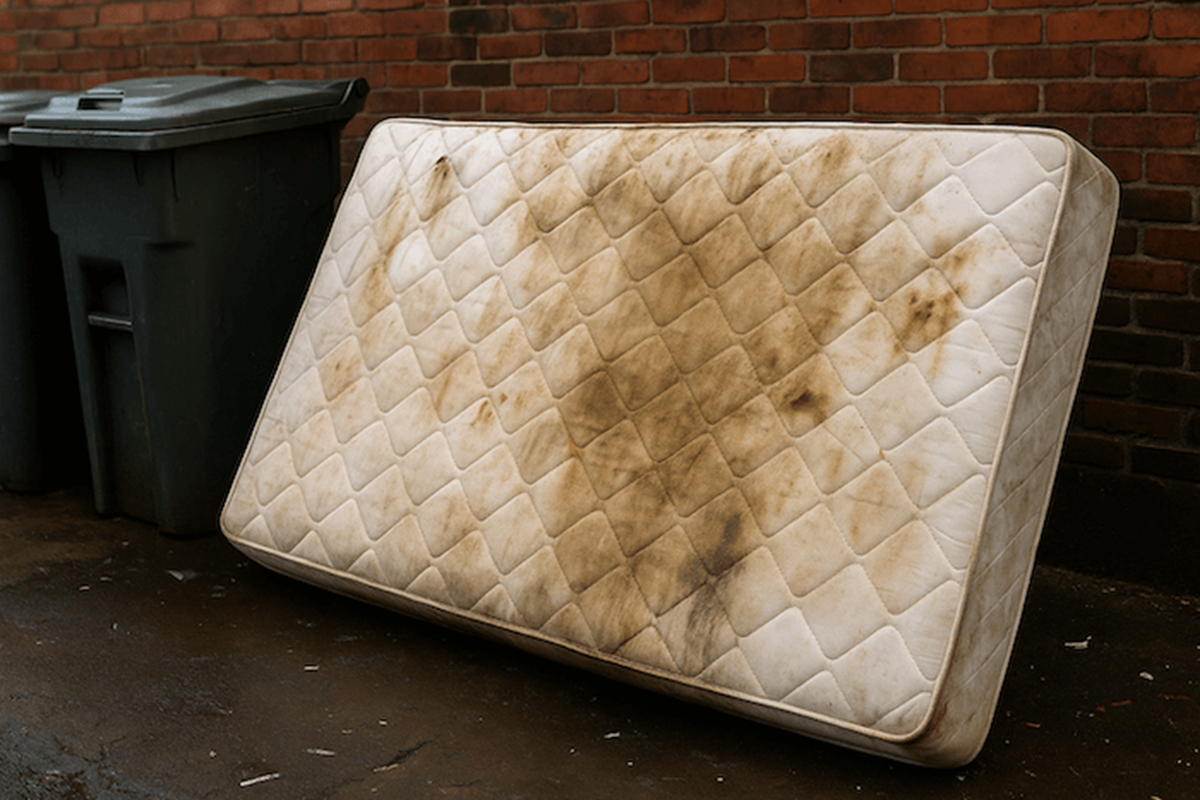
How many years does a mattress last?
A comfortable bed is essential for a good night's sleep. We often pay attention to the sheets, pillows, and cleanliness of the bed, but we don't take the same care when it comes to the mattress. Many people use the same mattress for years. However, over time, the mattress's strength and support begin to diminish. This raises the question: how often should a mattress be replaced and how can we tell if it's worn out?
A good mattress is generally considered to have a lifespan of around 7 to 10 years. However, this depends on the quality of the mattress, usage, weight, and care. Some mattresses may begin to deteriorate earlier, while high-quality mattresses can last much longer with proper care. If a mattress is used daily, the foam or springs within it may gradually lose support over the years.
Signs of mattress damage
The most important sign that you should replace your mattress is an uneven surface. If a depression forms in the middle or any part of the mattress, and your body feels tilted to one side when lying on it, these are signs that the mattress is worn out.
Body pain upon waking up in the morning
If you feel stiffness in your back, shoulders, or neck every morning without any other obvious cause, your mattress support could be a factor. An old or overly sagging mattress may not provide adequate support, leading to body aches.
mattress making noise
The springs in spring mattresses weaken or wear out over time. If the mattress makes a persistent creaking sound when you turn or sit, it could be a sign of its age. In such a case, you should consider replacing the mattress.
When to change the mattress
If your mattress has problems like excessive sinkage, wear, springs popping out, an uneven surface, or persistent discomfort, it's not necessary to simply wait for its lifespan to reach its full potential. Overall, 7 to 10 years is a general estimate, but the right time to replace your mattress depends on its actual condition. If your mattress isn't providing adequate support, has a worn surface, or simply doesn't feel comfortable while sleeping on it, it's time to replace it.