Sometimes we can't sleep for long periods due to work commitments, but even after being awake for 30 hours, 20 minutes of exercise can help maintain better memory. Learn what the study revealed.
Ways to improve memory
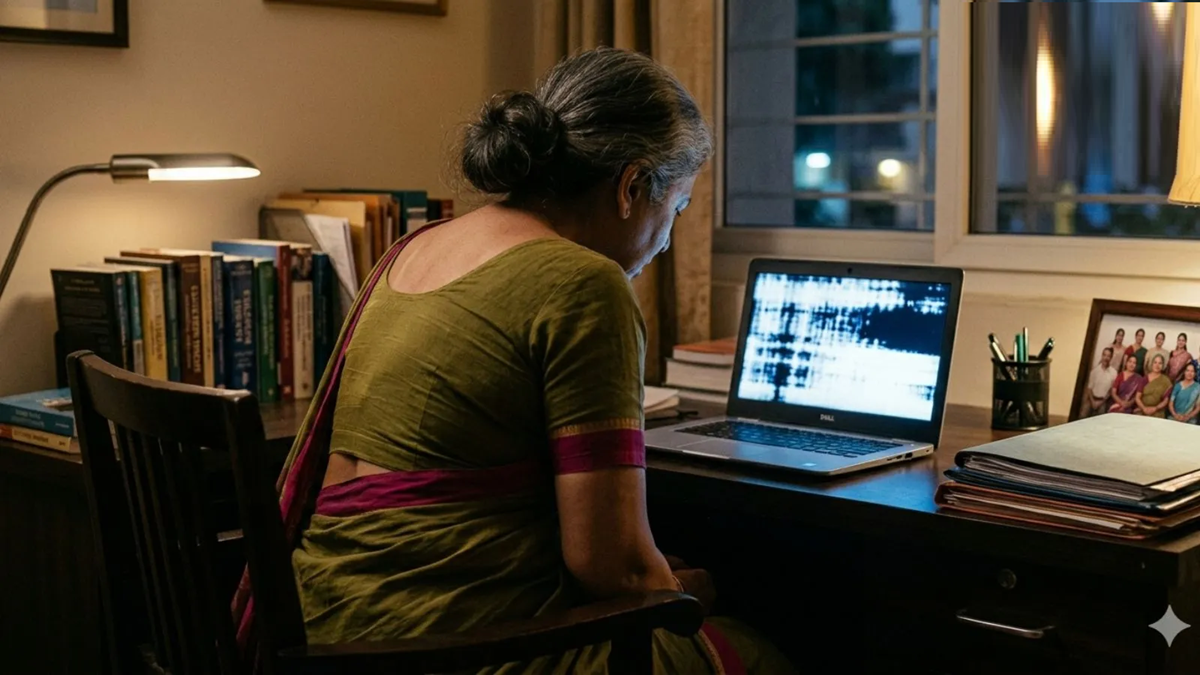
Lack of sleep affects both the body and the mind. Learning and remembering new things becomes difficult; however, a study has shown that 20 minutes of aerobic exercise can help maintain memory even when sleep-deprived. Find out what the research says.
Benefits of 20 minutes of exercise
The study involved 54 healthy young people. Some of them cycled for 20 minutes after being awake for 30 hours, while others were given a 90-minute nap. Their memory was then tested. Those who exercised or took a nap performed better than those who did not exercise.
In the study, participants who exercised and took a 90-minute nap performed 22 percent better than the other group on a memory test that measured how well they recognized previously shown images. This suggests that even brief periods of exercise can help preserve memory despite sleep deprivation.
Why so?
When we don't get enough sleep, we struggle to understand and retain new information. This impacts our studies, work, and everyday life. Studies have found that exercise can help mitigate this impact on memory, but even exercise doesn't completely relieve fatigue. Therefore, getting enough sleep is crucial.
Which exercises can I do?
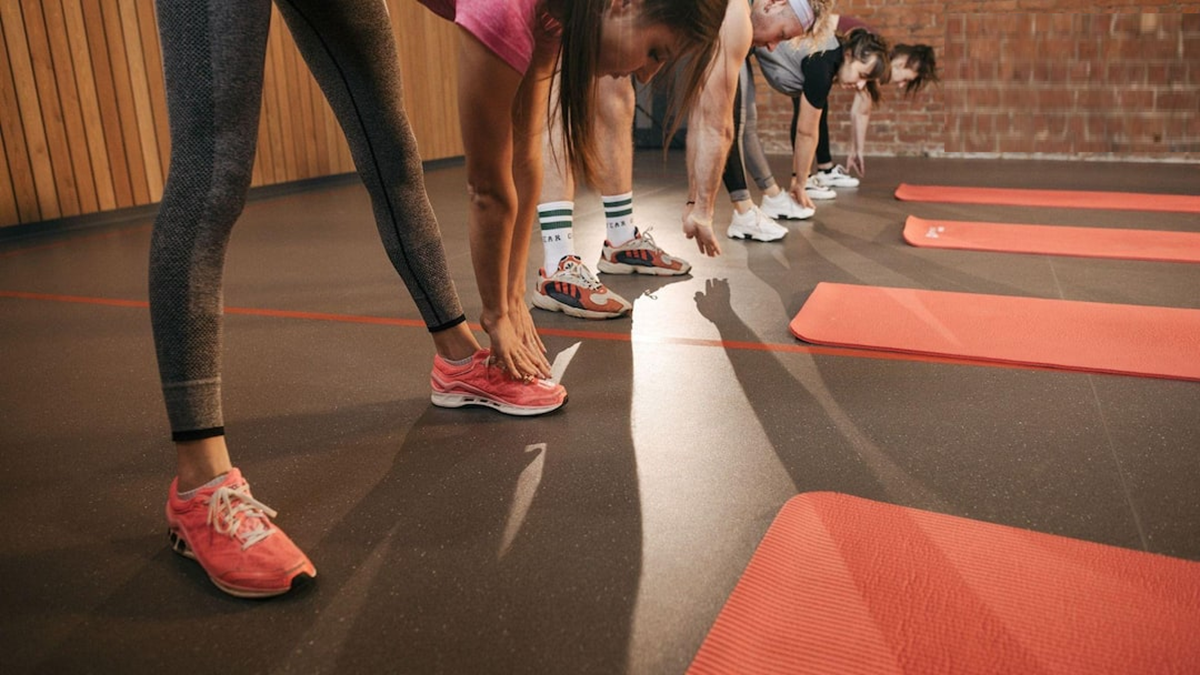
Aerobic exercise includes activities like brisk walking, cycling, dancing, and running. These increase your heart rate and increase your breathing rate. In the study, participants rode stationary bicycles for 20 minutes. You can also engage in these activities according to your health and ability.
Can exercise replace sleep?
No, exercise doesn't replace the need for sleep. This study shows that a short workout can help improve memory retention after sleep deprivation. But getting a good night's sleep is still important. If you haven't had enough sleep, avoid driving or doing anything that requires complete concentration.