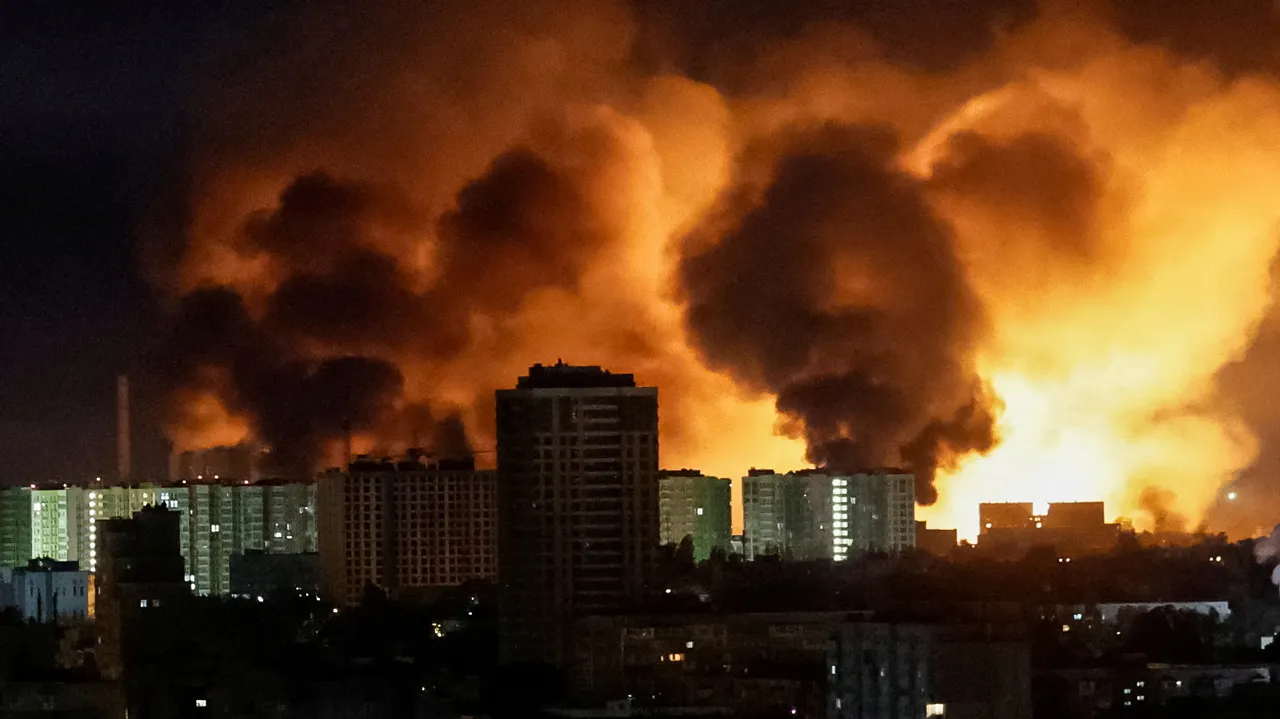
As temperatures soar during the summer season, air conditioners become an essential part of daily life, offering instant relief from the heat. However, along with rising usage, there have also been occasional reports of AC accidents, including rare but dangerous explosions.
While such incidents are not very common, they can be extremely hazardous and even life-threatening. The good news is that most of these risks are preventable. By understanding the causes and following basic maintenance practices, you can use your AC safely throughout the season.
Why AC Units Can Become Dangerous
Air conditioners are complex machines that operate under pressure and high electrical load. If certain components fail or are not maintained properly, they can pose safety risks. Here are the most common reasons behind AC-related accidents:
High Pressure Inside the Compressor
The compressor is the heart of an air conditioner. If excessive pressure builds up inside it, the system can fail suddenly, leading to a burst or explosion. This usually happens due to poor maintenance or internal blockages.
Overheating Due to Continuous Use
Running your AC non-stop for several hours without giving it a break can cause overheating. When the internal components become too hot, it increases the risk of malfunction or serious damage.
Dirty Coils Reducing Efficiency
Dust and dirt accumulation on the outdoor unit’s coils can block heat exchange. This forces the AC to work harder, raising its temperature and increasing the chances of overheating.
Refrigerant Gas Leakage
A leaking refrigerant is not just a performance issue—it can also be dangerous. If the gas comes into contact with a spark or electrical fault, it may trigger a fire or explosion.
Electrical Faults and Short Circuits
Faulty wiring, loose connections, or short circuits significantly increase the risk of AC accidents. Electrical issues are one of the leading causes of appliance-related fires.
Voltage Fluctuations
Sudden changes in voltage supply can damage internal components of the AC. In areas with unstable electricity, this can lead to overheating or system failure.
How to Prevent AC Accidents
Taking preventive steps can greatly reduce the risk of AC-related hazards. Here are some essential safety tips every user should follow:
Schedule Regular Servicing
Get your AC serviced by a professional technician at least once every six months. Routine maintenance helps detect and fix issues before they become serious.
Check for Gas Leaks
During servicing, ensure that the refrigerant system is properly inspected for leaks. Early detection can prevent dangerous situations.
Keep Filters and Coils Clean
Clean filters and coils improve airflow and efficiency. Regular cleaning prevents overheating and keeps your AC functioning smoothly.
Inspect Electrical Connections
Make it a habit to check for loose or damaged wires. Proper electrical connections are crucial for safe operation.
Use a Voltage Stabilizer
If your area experiences frequent voltage fluctuations, installing a stabilizer can protect your AC from sudden power changes and damage.
Avoid Overusing the AC
Continuous usage without breaks can strain the system. Turn off the AC occasionally to allow it to cool down and function efficiently.
Final Takeaway
Air conditioners are a necessity during extreme heat, but safety should never be overlooked. Most AC-related accidents are caused by neglect, poor maintenance, or electrical issues.
By following simple precautions like regular servicing, proper cleaning, and monitoring power supply, you can ensure safe and efficient cooling throughout the summer. A little care today can prevent major risks tomorrow.