Business
Aadhaar Card Rules 2026: Delhi Plans New System to Provide Government Benefits Without Mandatory Aadhaar Verification
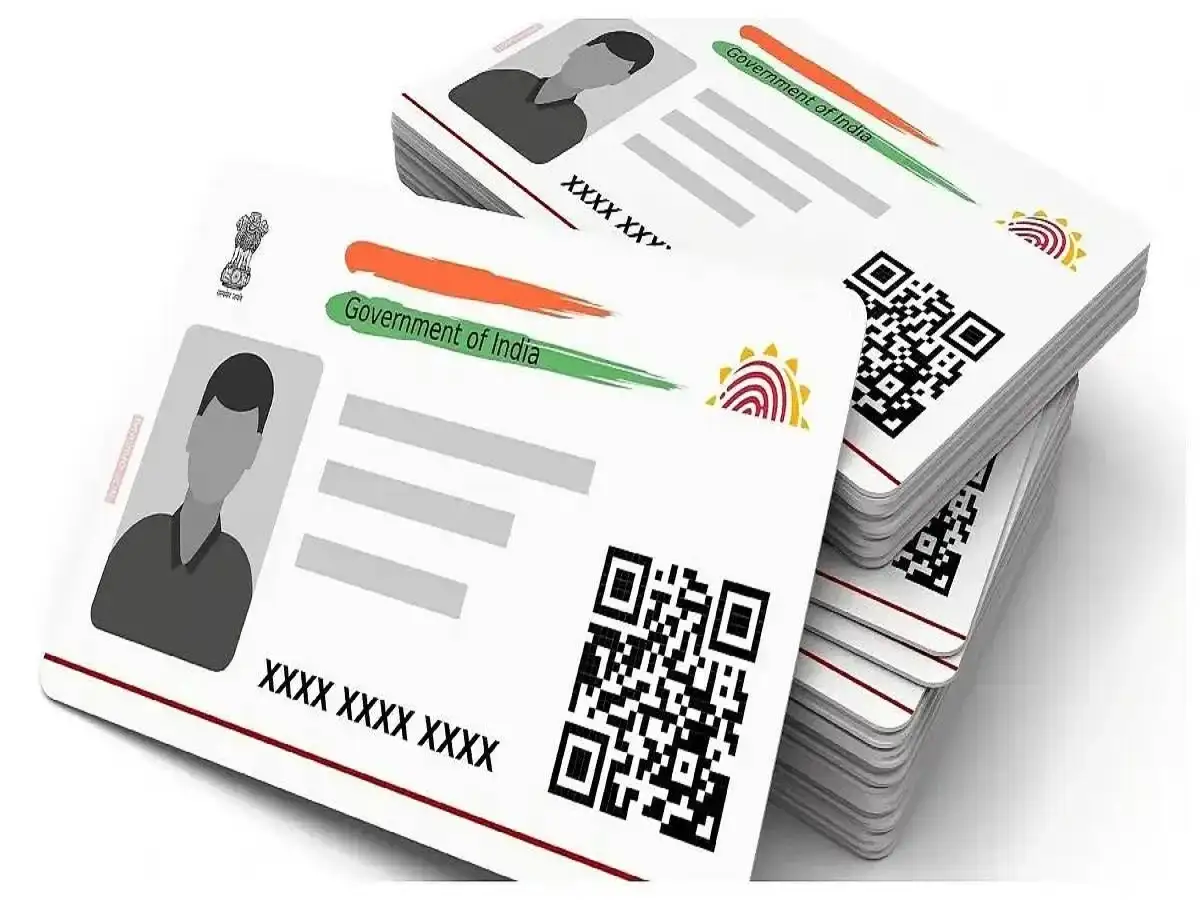
Aadhaar Card Update 2026: Residents of Delhi who do not have an Aadhaar card or are unable to complete Aadhaar-based authentication may receive greater flexibility when accessing government welfare schemes. The Delhi government is reportedly preparing a new digital system called the Unified Citizen Data Platform, which aims to bring beneficiary information from multiple government departments into a single framework.
The proposed initiative is intended to simplify the management of welfare schemes, improve transparency and ensure that eligible citizens can access government assistance without unnecessary identification-related difficulties.
According to a report published on November 16, 2026, Aadhaar-based verification would not be compulsory under the proposed platform. Citizens may be able to establish their identity through alternative government-issued documents, subject to the applicable scheme rules.
The proposal could benefit individuals who do not possess an Aadhaar card, face authentication difficulties or prefer to use another accepted identity document.
However, the initiative is specific to Delhi, and its implementation will depend on the final government notification and the eligibility requirements of individual welfare schemes.
What Is Delhi's Unified Citizen Data Platform?
The Unified Citizen Data Platform is a proposed digital framework designed to consolidate information about beneficiaries receiving assistance under different government schemes.
Currently, government departments may maintain separate databases for programmes related to education, healthcare, financial assistance, social welfare and other public services.
Managing these records independently can sometimes make it difficult to identify duplicate entries, verify beneficiary information and coordinate assistance across departments.
The proposed platform aims to address these challenges by providing a more integrated system.
Under this arrangement, authorised government departments could access relevant beneficiary information through a common framework, subject to applicable privacy and data-protection requirements.
The objective is to improve administrative efficiency while making welfare delivery more organised.
Aadhaar Authentication May Not Be Mandatory Under the New System
One of the most important features highlighted in the report is the proposed flexibility concerning Aadhaar-based identity verification.
According to the report, citizens would not necessarily be required to authenticate themselves using Aadhaar to access services covered by the new framework.
Where Aadhaar authentication is voluntary, the individual's consent would be required before proceeding with the verification process.
People who cannot complete Aadhaar authentication could be offered alternative methods of establishing their identity.
This may be particularly helpful for individuals facing technical authentication failures, difficulties accessing Aadhaar-related services or problems with their identity records.
However, the proposal does not mean Aadhaar requirements have been abolished for every government scheme in India.
Different welfare programmes operate under different laws, notifications and eligibility conditions. Any alternative verification arrangement must comply with those requirements.
Which Documents Could Be Accepted Instead of Aadhaar?
The proposed system may allow citizens to use other recognised government identity documents when Aadhaar-based verification is unavailable or not required.
The report identifies the following possible alternatives:
| Identity Document | Possible Use |
|---|---|
| Voter ID Card | Verification of identity through an Election Commission-issued document |
| Driving Licence | Identity verification using a valid driving licence |
| Passport | Verification through an officially issued passport |
| Government Photo ID | Identification through an accepted Central or State Government-issued photo identity card |
| Other Approved Documents | Documents permitted under the relevant scheme or government notification |
The acceptance of these documents would depend on the specific programme and the verification procedures notified by the authorities.
Applicants should not assume that every document will automatically be accepted for all government services.
How Will the New Platform Help Government Scheme Beneficiaries?
The Unified Citizen Data Platform is expected to offer several administrative and citizen-focused benefits.
Centralised beneficiary records: Information relating to different welfare programmes could be organised through a common digital system, reducing unnecessary duplication of administrative work.
Better identification of eligible applicants: Departments may be able to verify relevant beneficiary information more efficiently and identify individuals who qualify for assistance.
Improved transparency: A more coordinated database could help authorities monitor the distribution of benefits and identify irregularities.
Reduced duplicate or improper claims: The system may make it easier to detect instances where benefits are being claimed contrary to scheme rules.
Simpler verification procedures: Where alternative identity documents are permitted, eligible residents may face fewer difficulties completing the application process.
The effectiveness of these benefits will depend on how the platform is designed, implemented and maintained.
Will Citizens Without Aadhaar Continue Receiving Government Benefits?
The proposed framework is intended to prevent eligible residents from facing unnecessary exclusion solely because they cannot complete Aadhaar-based verification.
For example, a person who does not possess an Aadhaar card may be able to submit another approved identity document when applying for a covered welfare scheme.
Similarly, an applicant who experiences authentication difficulties may be offered another verification procedure.
However, identity verification is only one part of determining eligibility.
Applicants must still satisfy the conditions of the relevant government programme, which may include residence, age, income, family circumstances or other specified requirements.
Therefore, possessing an alternative identity document does not automatically guarantee approval for a government benefit.
Why Is Data Privacy Important for the Unified Citizen Platform?
Combining information from multiple government departments can improve efficiency, but it also creates important responsibilities concerning personal data.
Beneficiary records may contain sensitive information relating to identity, contact details, household circumstances and financial assistance.
A centralised system should therefore include appropriate safeguards against unauthorised access, data misuse and unnecessary disclosure.
Access to information should be limited to authorised personnel, and data should be processed only for legitimate purposes permitted by applicable law.
Clear consent procedures, where legally required, and effective grievance-redressal mechanisms will also be important for maintaining public confidence.
The supplied report does not provide detailed technical specifications or a complete data-protection framework for the proposed platform.
Is the New Aadhaar Rule Applicable Across India?
The reported initiative concerns the Delhi government's proposed Unified Citizen Data Platform.
It should not be interpreted as a nationwide announcement removing Aadhaar requirements from all government schemes.
Aadhaar-related rules can vary depending on the programme, the governing legislation and the relevant government notification.
Citizens in other states should continue following the identification and documentation requirements prescribed for the schemes they wish to access.
Even within Delhi, residents should check the latest official instructions before submitting applications using alternative documents.
When Will Delhi's Unified Citizen Data Platform Be Implemented?
The supplied report indicates that the Delhi government is preparing to introduce the platform, but it does not specify a confirmed public launch date.
Details such as the list of participating departments, supported welfare schemes, accepted identity documents and application procedures will need to be clarified through official announcements.
Until those details are published, existing scheme-specific rules remain the appropriate reference for applicants.
Residents can monitor updates through the Delhi Government's official website and the relevant departments administering welfare programmes.
What Does This Aadhaar Update Mean for Delhi Residents?
The proposed Unified Citizen Data Platform represents an effort to modernise the delivery of government welfare benefits.
By bringing beneficiary records together and potentially allowing alternative identity-verification methods, the initiative could make public services more accessible and easier to administer.
It may also help departments improve transparency, identify irregular claims and coordinate assistance more effectively.
For residents who do not have Aadhaar or face difficulties with Aadhaar authentication, the proposed flexibility could offer meaningful relief.
However, the final benefits will depend on the official rules, implementation schedule and verification procedures announced by the Delhi government.
Official References: Government of NCT of Delhi | Unique Identification Authority of India (UIDAI)