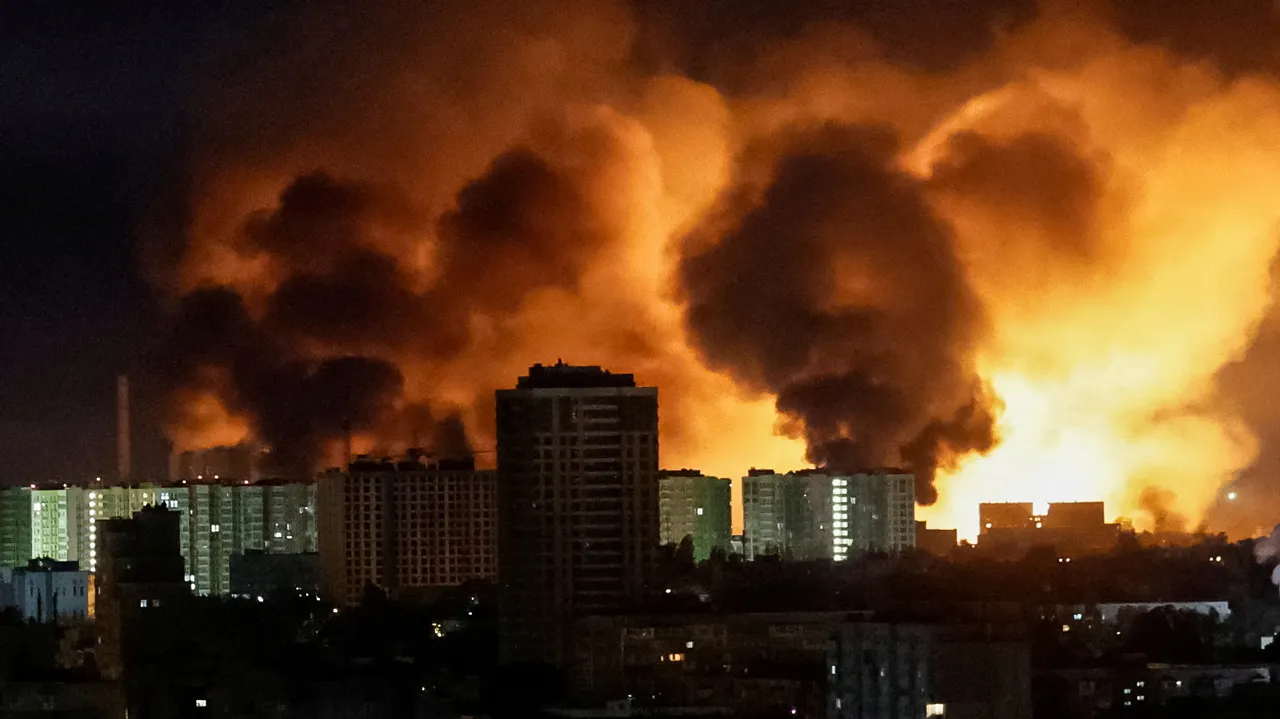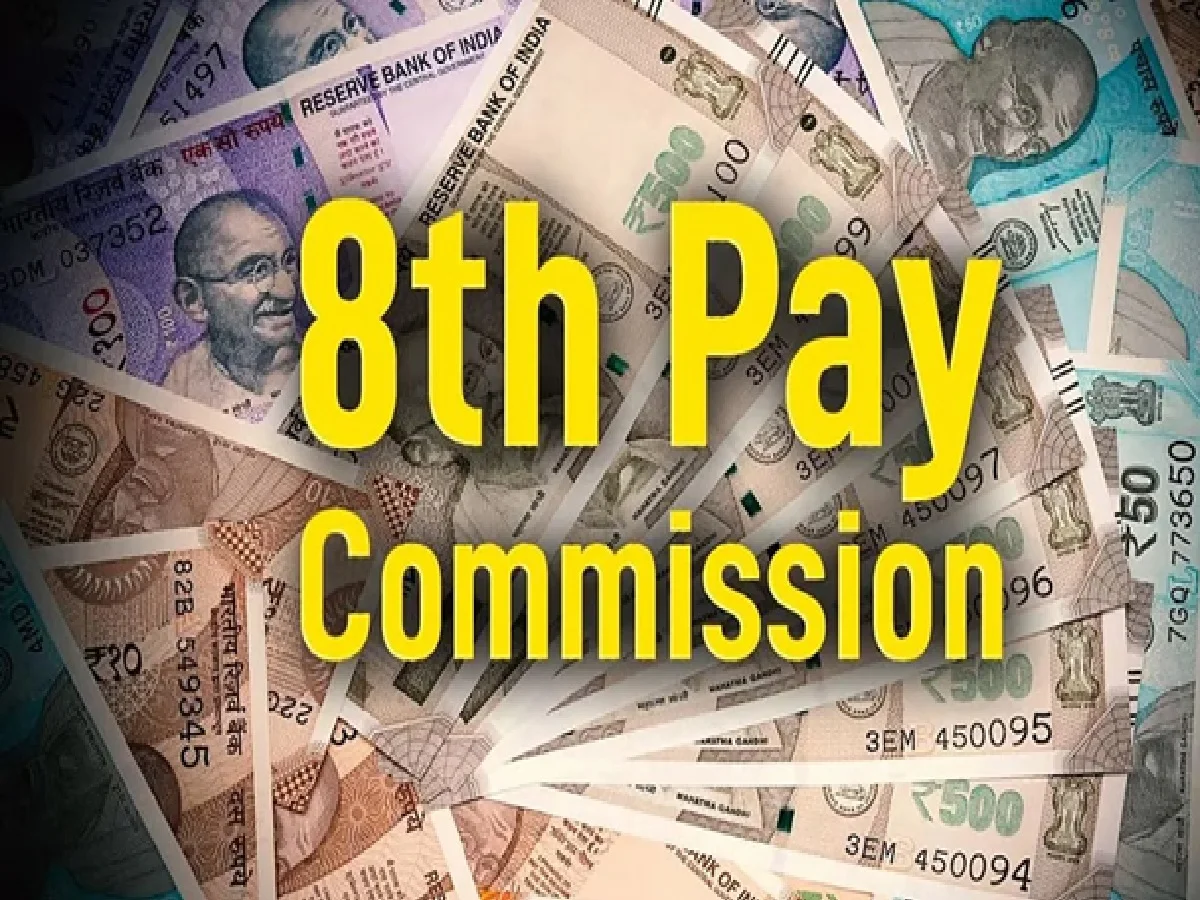
Concerns surrounding the implementation timeline of the proposed 8th Pay Commission are once again gaining attention as global geopolitical tensions continue affecting economies worldwide. Rising uncertainty linked to the Middle East conflict and fears surrounding a possible escalation involving the United States and Iran have intensified discussions about government spending priorities in India.
These developments have reportedly increased anxiety among central government employees and pensioners, many of whom are waiting for clarity regarding salary revisions, pension restructuring, and allowance changes expected under the 8th Pay Commission.
Why Are Concerns About Delay Increasing?
According to ongoing discussions in policy and financial circles, rising global instability could place additional pressure on India’s economy through higher fuel prices, inflation risks, and fiscal challenges.
Analysts believe that if crude oil prices rise sharply because of international conflict, India may face:
- Increased inflation
- Higher import costs
- Pressure on foreign exchange reserves
- Greater fiscal deficit challenges
At the same time, Narendra Modi has urged citizens to avoid unnecessary spending, conserve fuel, reduce non-essential foreign travel, and support efforts to save foreign exchange reserves.
These appeals have triggered speculation that the government could become more cautious regarding large-scale expenditure commitments in the near future.
Massive Financial Impact of the 8th Pay Commission
The proposed 8th Pay Commission is expected to significantly revise the salary, allowance, and pension structure for central government employees and retirees.
Reports suggest that:
- More than 50 lakh central government employees may benefit
- Around 69 lakh pensioners could be affected by revised payouts
Experts estimate that implementing the recommendations could place an additional annual burden of approximately ₹4 lakh crore to ₹9 lakh crore on the government treasury, depending on the final structure approved.
Because of this potentially massive financial impact, discussions have emerged about whether the government may delay approval or implementation if economic conditions remain uncertain.
Inflation and Fiscal Deficit Concerns
One of the biggest concerns being discussed is inflation caused by rising global energy prices.
If international crude oil prices increase significantly due to geopolitical tensions, the government may need to prioritize inflation control and fiscal stability before approving major expenditure increases.
Economists say governments often adopt cautious spending policies during periods of global economic uncertainty to avoid increasing fiscal deficits beyond manageable levels.
This has led to speculation that the final recommendations of the 8th Pay Commission could take longer than expected to receive approval.
Employees and Pensioners Watching Closely
Central government employees and pensioners are closely monitoring every update related to the 8th Pay Commission because the changes could directly affect:
- Basic salaries
- Pension calculations
- Dearness allowance structures
- Retirement benefits
- Overall monthly income
For many employees, the commission is expected to play a major role in improving financial stability amid rising living costs.
At the same time, uncertainty over implementation timelines has created concern among sections of government workers who were hoping for quicker progress on the commission’s recommendations.
Government Yet to Make Official Delay Announcement
Despite growing speculation, the government has not officially announced any delay in the 8th Pay Commission process so far.
Reports indicate that the commission’s recommendations are expected to be prepared and submitted next year. However, final approval and implementation may depend heavily on economic conditions, fiscal health, inflation levels, and global market stability at that time.
Policy experts believe the government will likely balance employee expectations with broader economic realities before taking any major financial decisions.
Future Depends on Economic Conditions
The future timeline of the 8th Pay Commission may ultimately depend on how global economic and geopolitical conditions evolve over the coming months.
If inflation and oil prices remain under control, the government could proceed more comfortably with salary and pension revisions. However, prolonged global instability may force policymakers to adopt a more cautious financial approach.
For now, millions of central government employees and pensioners continue waiting for official clarity regarding the next major pay revision cycle.