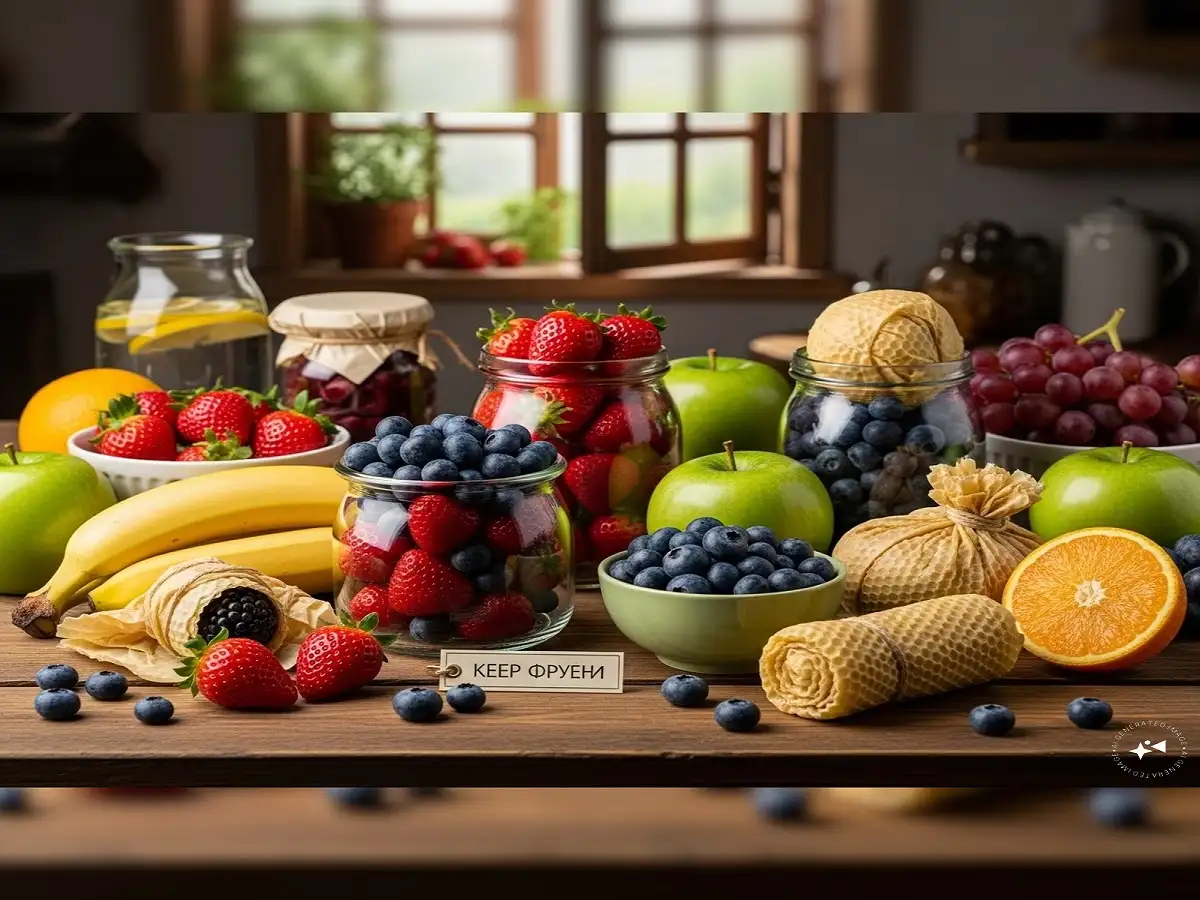
Simple storage habits can help preserve the freshness, flavour and nutritional value of fruits while extending their shelf life
Fresh fruits are an important part of a balanced diet, providing essential vitamins, minerals, fibre and antioxidants that support overall health. However, fruits can spoil quickly if they are not stored properly. Incorrect storage conditions, excess moisture and mixing certain fruits together can speed up the ripening process and lead to unnecessary food waste.
By following a few simple storage practices, you can keep fruits fresh for a longer period while maintaining their taste and nutritional quality. Here are some practical tips that may help extend the shelf life of commonly consumed fruits.
1. Choose Fresh, Undamaged Fruits
The quality of fruit at the time of purchase plays an important role in how long it will stay fresh.
When buying fruits, look for those that are:
- Firm and fresh.
- Free from cuts, bruises or soft spots.
- Without signs of mould or damage.
Damaged fruits tend to spoil more quickly and may also accelerate the deterioration of nearby fruits.
2. Avoid Storing All Fruits Together
Different fruits ripen at different speeds. Keeping every type of fruit in the same basket can cause some fruits to ripen and spoil faster than others.
Separating fruits according to their storage requirements can help preserve freshness and reduce waste.
For example, delicate berries, citrus fruits and tropical fruits often require different storage conditions.
3. Keep Ethylene-Producing Fruits Separate
Some fruits naturally release ethylene gas, a plant hormone that speeds up the ripening process.
Common ethylene-producing fruits include:
- Apples
- Bananas
- Pears
- Avocados
These fruits should be stored separately from ethylene-sensitive fruits whenever possible to prevent premature ripening.
Keeping them apart may help extend the freshness of other fruits.
4. Wash Fruits Only Before Eating
Although washing fruits is important for food safety, doing so immediately after purchase may shorten their storage life.
Excess moisture can encourage the growth of mould and bacteria, especially on fruits with delicate skins.
It is generally advisable to:
- Store fruits dry.
- Wash them thoroughly just before eating or using them.
If fruits become wet during storage, dry them carefully before placing them back.
5. Refrigerate Delicate Fruits
Certain fruits stay fresh longer when stored in the refrigerator.
These include:
- Grapes
- Strawberries
- Blueberries
- Raspberries
- Blackberries
Store them in breathable or ventilated containers to allow air circulation and reduce moisture buildup.
Avoid sealing them in completely airtight containers if excess moisture is present.
6. Let Tropical Fruits Ripen Naturally
Tropical fruits generally continue ripening after harvest.
Examples include:
- Mangoes
- Bananas
- Papayas
- Pineapples (depending on ripeness)
These fruits are usually best kept at room temperature until they reach the desired level of ripeness.
Refrigerating them too early may affect their flavour, texture and natural ripening process.
7. Refrigerate Fruits After They Ripen
Once tropical fruits have ripened, placing them in the refrigerator can help slow further ripening.
Cooler temperatures may help preserve:
- Freshness.
- Texture.
- Flavour.
- Overall shelf life.
This simple step can prevent fruits from becoming overripe too quickly.
8. Remove Spoiled Fruits Immediately
Check your fruit basket regularly for signs of spoilage.
If you notice fruits that are:
- Mouldy.
- Overripe.
- Leaking juice.
- Giving off an unpleasant smell.
Remove them promptly to prevent mould and bacteria from spreading to nearby fruits.
Regular inspection helps reduce food waste and keeps the remaining fruits fresh for longer.
Additional Fruit Storage Tips
To maximise freshness, you can also follow these simple practices:
- Store fruits in a cool, dry place unless refrigeration is recommended.
- Avoid overcrowding fruits in storage baskets.
- Use breathable baskets or containers instead of tightly packed plastic bags.
- Purchase fruits in quantities you can consume within a reasonable period.
- Rotate older fruits to the front so they are eaten first.
Why Proper Fruit Storage Matters
Correct storage not only extends the shelf life of fruits but also helps maintain their nutritional value and taste. It can also reduce unnecessary food waste and save money by preventing fruits from spoiling before they are consumed.
Understanding which fruits require refrigeration and which should be stored at room temperature is one of the easiest ways to improve food storage at home.
Conclusion
Keeping fruits fresh for longer does not require expensive storage equipment. Choosing good-quality fruits, separating ethylene-producing varieties, refrigerating delicate fruits, allowing tropical fruits to ripen naturally and removing spoiled fruits promptly are simple habits that can make a noticeable difference.
By following these practical storage tips, households can reduce food waste, preserve freshness and enjoy nutritious fruits for a longer period.