TRAVEL
World Famous Rivers: Life is a journey… the world lives on the banks of these 7 rivers, and you will enjoy a trip.
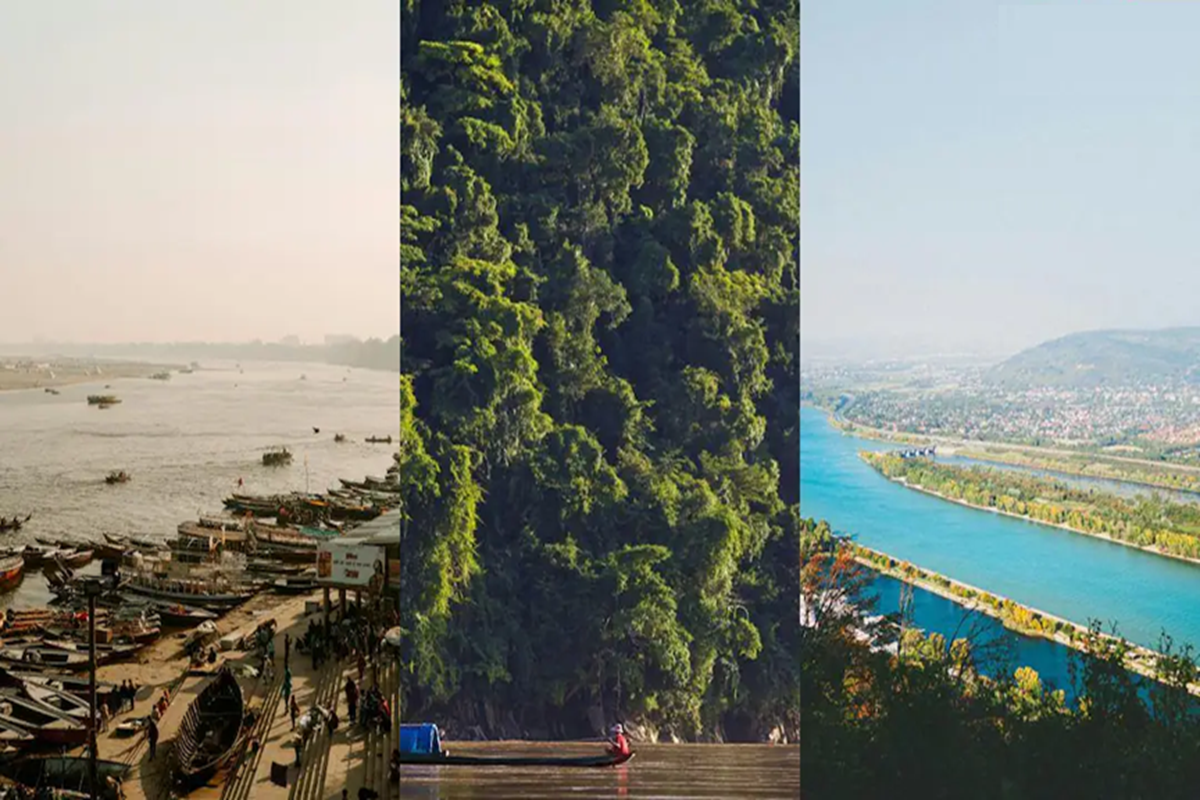
Religious Tourism: Many rivers are more than just a flow of water, but are a part of the faith, history, and daily lives of millions of people. Let us tell you about them.
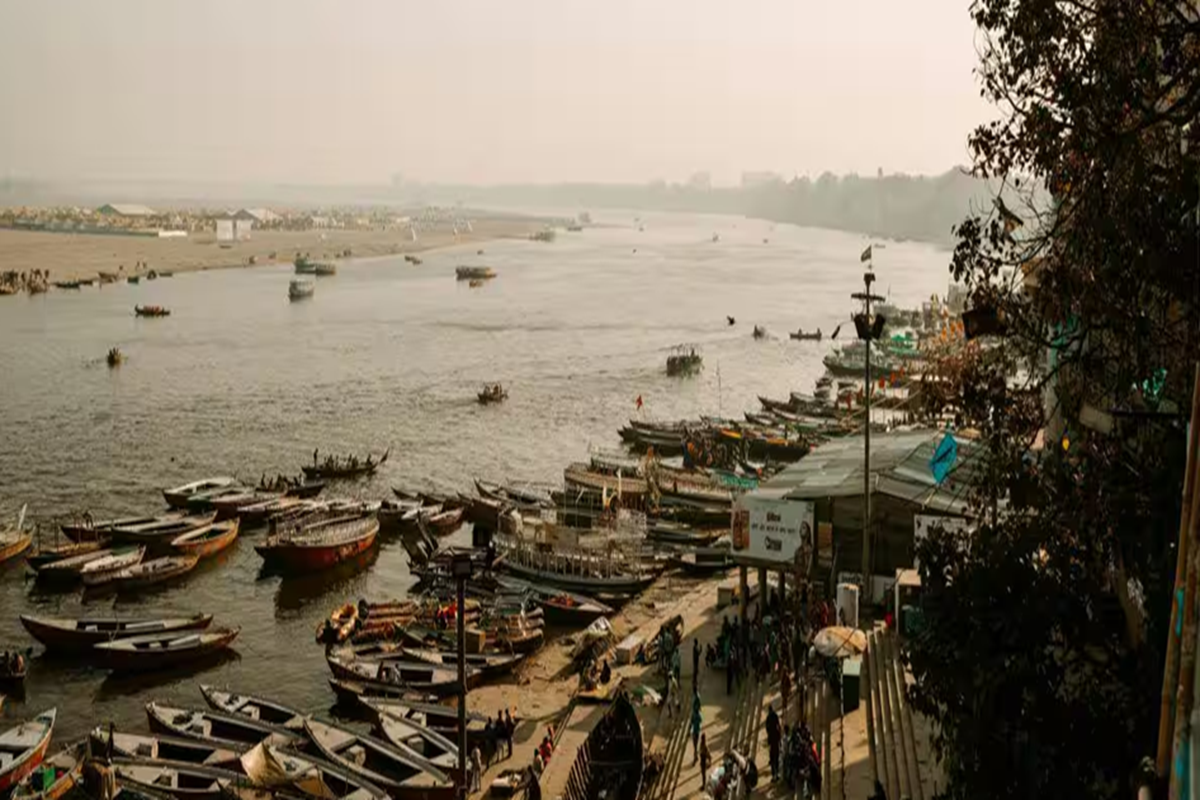
The world's most culturally significant rivers
Most Culturally Important Rivers In The World: Many of the world's greatest civilizations flourished along rivers. These rivers laid the foundation for religion, trade, food, culture, and empires. Even today, many rivers are not just a source of water, but a part of the faith, history, and daily lives of millions of people. The festivals, rituals, music, food, and traditions that take place along these rivers offer travelers a deeper understanding of culture than any book. This is why these famous rivers of the world still attract travelers.
The River Ganges
The River Ganga is called the spiritual lifeline of India. It holds a profound significance in Hinduism, and the lives of millions of people in North India are intertwined with it. People travel from far and wide to take holy baths, perform last rites, and witness the evening aarti. Varanasi, Haridwar, and Rishikesh offer distinct experiences of the Ganga. Varanasi is renowned for its centuries-old lanes and ghats, Haridwar is considered a center of religious rituals, while Rishikesh offers a unique blend of yoga, spirituality, and adventure tourism.
Nile River
The Nile River is considered the backbone of ancient Egyptian civilization. It is said that without the Nile, a great Egyptian civilization might never have developed. For thousands of years, the river supported agriculture, trade, and transportation. Even today, temples, tombs, and historical sites stand along the Nile River, drawing visitors from all over the world. A cruise here brings together history and the present.
Mekong River
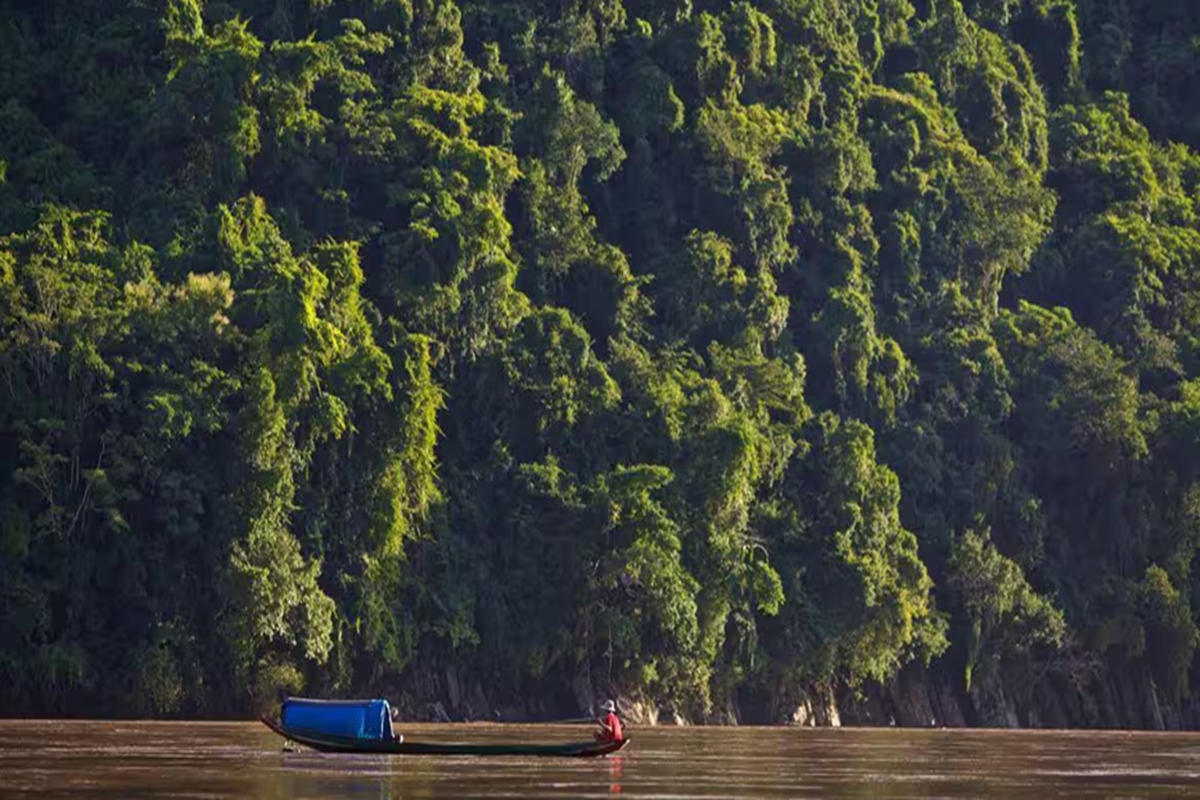
The Mekong River is considered the cultural heartbeat of Southeast Asia. Flowing through China, Laos, Thailand, Cambodia, and Vietnam, it connects diverse cultures. Tranquil Buddhist villages are visible in some places, while floating markets and waterside villages are seen elsewhere. Vietnam's delta region is known for its rice fields, canals, and fruit orchards. This river remains a vital part of the lives of millions of people.
Danube River
The Danube River is known as the River of European Empires. It flows through numerous countries and has served as a connecting force for cultures for centuries. Cities like Vienna, Budapest, and Belgrade developed along its banks. Traveling along the Danube River reveals a unique diversity of language, cuisine, and culture.
Amazon River
The Amazon River is one of the world's largest river systems. Its unique feature is that nature still prevails over human creation. Flowing through the dense jungles of Peru, Brazil, and Colombia, it offers glimpses of wildlife, pink dolphins, indigenous cultures, and remote villages.
Yangtze River
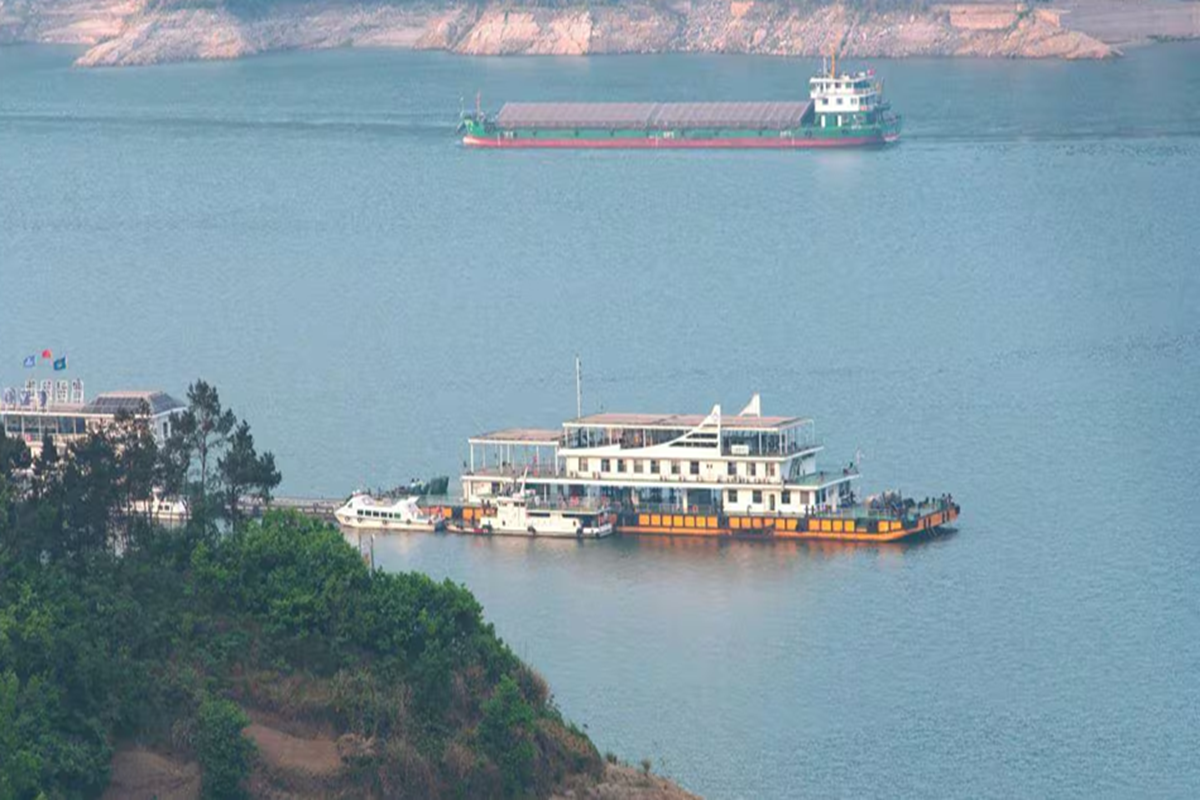
The Yangtze River is China's longest river and is considered a symbol of the country's progress. For centuries, it has been a base for trade, agriculture, and industry. Ancient riverside cities coexist with modern buildings, massive bridges, and large hydroelectric projects.
Mississippi River
The Mississippi River is deeply intertwined with America's musical and immigrant culture. It is considered a major contributor to blues music, literature, and commercial history. Cities like New Orleans owe their distinctive identity to the river. A trip there offers a glimpse of many diverse American cultures at once.