Business
Is Your Emergency Fund Still Enough? Here's How Inflation May Be Reducing Your Financial Safety Net
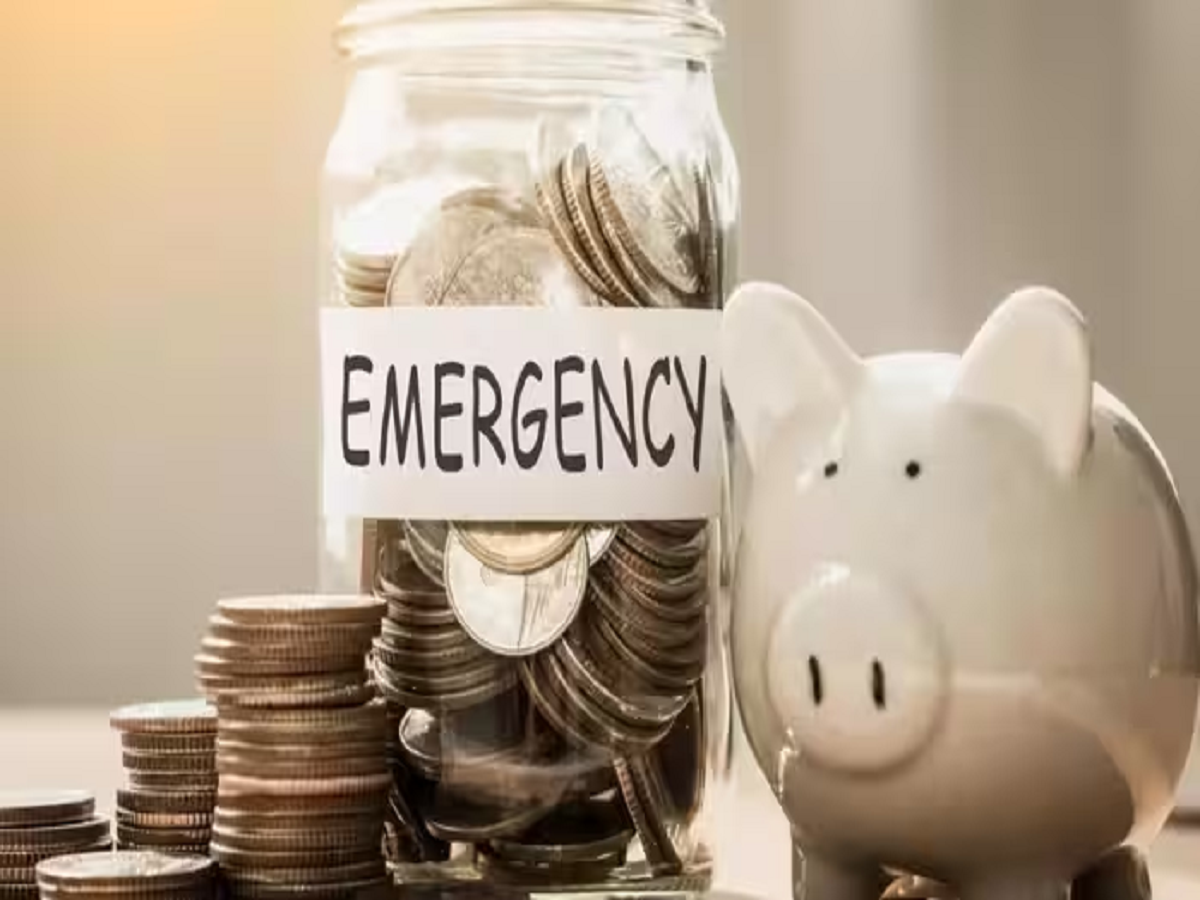
Rising living costs can quietly weaken your emergency savings. Learn how to check if your fund is still sufficient for today's expenses.
An emergency fund is one of the most important pillars of financial planning. It acts as a financial cushion during unexpected situations such as job loss, medical emergencies, business setbacks or any sudden interruption in income. While many people understand the importance of building an emergency fund, they often overlook one crucial fact—it should not remain unchanged for years.
As inflation pushes up the cost of living and family responsibilities evolve, the amount that once seemed sufficient may no longer provide the same level of financial security. Experts recommend reviewing emergency savings regularly to ensure they continue to match current expenses and future financial needs.
If you created your emergency fund several years ago, now may be the right time to evaluate whether it is still adequate.
Start by Calculating Your Essential Monthly Expenses
Many people estimate their emergency fund based on their total monthly income or overall spending. However, financial planners suggest focusing only on expenses that cannot be postponed during a financial crisis.
These essential expenses generally include:
- House rent or home loan EMI
- Grocery and daily household expenses
- Electricity, water, gas and internet bills
- Children's school or education expenses
- Health and life insurance premiums
- Loan EMIs and mandatory debt repayments
- Medical expenses and prescription medicines
- Transportation costs required for work or essential travel
Once these unavoidable expenses are added together, you will have a realistic estimate of the minimum amount your household needs every month to maintain basic financial stability.
How Much Emergency Savings Should You Keep?
A common financial rule recommends maintaining an emergency fund equal to three to six months of essential expenses. While this serves as a useful starting point, the ideal amount depends on your personal financial situation.
If your household depends on a single source of income, finding a new job could take several months. Similarly, self-employed professionals, freelancers and business owners often experience unpredictable cash flows. Families with young children, elderly dependents or significant financial obligations may also require a larger financial cushion.
In such cases, experts suggest maintaining emergency savings equivalent to nine to twelve months of essential expenses. This larger reserve can provide greater peace of mind during extended periods of financial uncertainty.
On the other hand, households with multiple earning members and stable income sources may be comfortable maintaining a relatively smaller emergency fund, provided they regularly review and update it.
Don't Ignore Annual Financial Commitments
One of the biggest mistakes people make while calculating an emergency fund is considering only monthly expenses. Several important financial obligations occur only once or twice a year but remain unavoidable even during difficult times.
These may include:
- Annual school or college fees
- Insurance policy renewals
- Property tax payments
- Vehicle servicing and essential maintenance
- Other recurring yearly financial commitments
Failing to account for these expenses can cause emergency savings to run out much sooner than expected when a financial crisis occurs.
Including annual obligations in your calculations provides a more accurate estimate of the savings required to maintain financial stability.
Inflation Can Reduce the Value of Your Savings
Inflation steadily increases the cost of goods and services over time. Household expenses that seemed manageable a few years ago may now require significantly higher spending. As a result, an emergency fund built years earlier may no longer cover the same number of months it once did.
For example, higher grocery prices, increased utility bills, rising healthcare costs and growing education expenses can substantially increase monthly financial requirements. Without periodic adjustments, your emergency reserve may lose its effectiveness.
Regularly increasing your emergency savings helps ensure that your financial protection keeps pace with rising living costs.
Review Your Emergency Fund Every Year
Financial experts recommend reviewing your emergency fund at least once every year or whenever there is a major life change. Events such as marriage, purchasing a home, having children, changing jobs or taking on additional financial responsibilities can all affect the amount of savings you need.
An annual review allows you to update your emergency reserve based on your current lifestyle, income and essential expenses rather than relying on outdated calculations.
Build Financial Security Before You Need It
Unexpected financial emergencies can arise without warning, making preparation essential rather than optional. A properly maintained emergency fund not only protects your finances but also reduces stress during challenging situations.
Instead of treating emergency savings as a one-time financial goal, consider it an ongoing part of your financial planning. Reviewing and adjusting your emergency fund regularly ensures that it continues to provide meaningful protection against rising costs and unforeseen events, helping you stay financially secure regardless of changing economic conditions.