NEWS
China Warns US Over Strait of Hormuz Tensions: Beijing Demands Non-Interference Amid Rising Iran Conflict
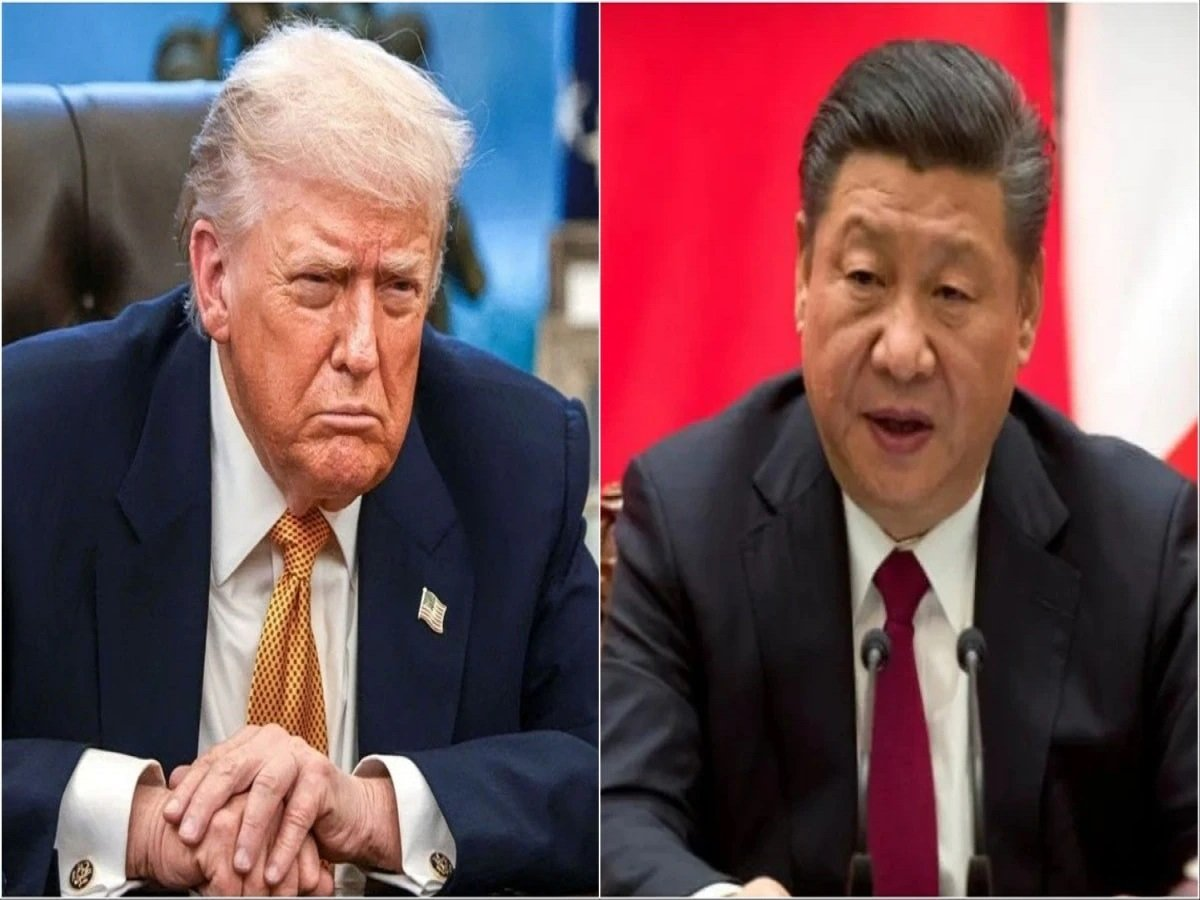
Tensions in the Middle East continue to escalate as friction between the United States and Iran intensifies, drawing strong reactions from global powers. In the latest development, China has issued a sharp warning to the United States over its reported naval blockade near the Strait of Hormuz, urging Washington to stay out of Beijing’s ties with Tehran.
The situation highlights growing geopolitical strain, with potential consequences for global trade, energy supply, and regional stability.
China Issues Strong Warning to the US
China has openly criticized the United States for its actions near the Strait of Hormuz. Defence officials in Beijing, including Dong Jun, made it clear that China will not tolerate interference in its bilateral relations with Iran.
Beijing emphasized that its economic and energy partnerships with Iran are crucial and must be respected by other nations.
Call for Ceasefire and Stability
Echoing a more diplomatic tone, China’s Foreign Ministry has urged all parties to avoid further escalation and adhere to a ceasefire.
According to reports, spokesperson Guo Jiakun stressed the importance of maintaining:
- Regional peace and stability
- Free and secure navigation routes
- Balanced global cooperation
China has positioned itself as a voice for de-escalation while simultaneously defending its strategic interests.
Why the Strait of Hormuz Matters to China
The Strait of Hormuz is one of the most critical global shipping routes, especially for energy supplies.
For China:
- Around 40% of its crude oil imports pass through this route
- Nearly 30% of LNG (liquefied natural gas) imports depend on it
Any disruption could severely impact China’s:
- Industrial output
- Energy security
- Economic stability
This makes the situation highly sensitive for Beijing.
Strategic Angle Behind the Blockade
Analysts believe that the US move could be part of a broader strategy. Former US President Donald Trump is believed to be leveraging pressure tactics against Iran while indirectly targeting China’s economic interests.
Such actions could reshape geopolitical alliances and influence global trade dynamics.
Rising US Military Presence
The United States has significantly increased its military deployment in the region:
- Around 15 naval warships deployed
- Includes an aircraft carrier
- Approximately 11 destroyers
- One amphibious assault ship
This escalation signals a strong military posture and raises concerns about further conflict.
Global Impact and What Lies Ahead
The ongoing developments in the Middle East could have far-reaching effects:
- Fluctuations in global oil prices
- Disruptions in international shipping routes
- Increased geopolitical tensions among major powers
Experts warn that prolonged instability in the region may impact not just involved nations but the global economy as a whole.
Final Takeaway
The escalating tensions involving China, the United States, and Iran underscore the fragile balance of global geopolitics. With energy routes like the Strait of Hormuz at stake, even small developments can have major consequences.
As China pushes back against US actions and calls for stability, the coming days will be crucial in determining whether the situation de-escalates or intensifies further.