NEWS
2 out of every 3 unknown calls turn out to be fake! India ranks 5th globally for spam calls; this report reveals the truth.

Spam Calls: A new report by Truecaller has revealed that the threat of spam calls is increasing rapidly in India.

(2 out of every 3 unknown calls are fake)
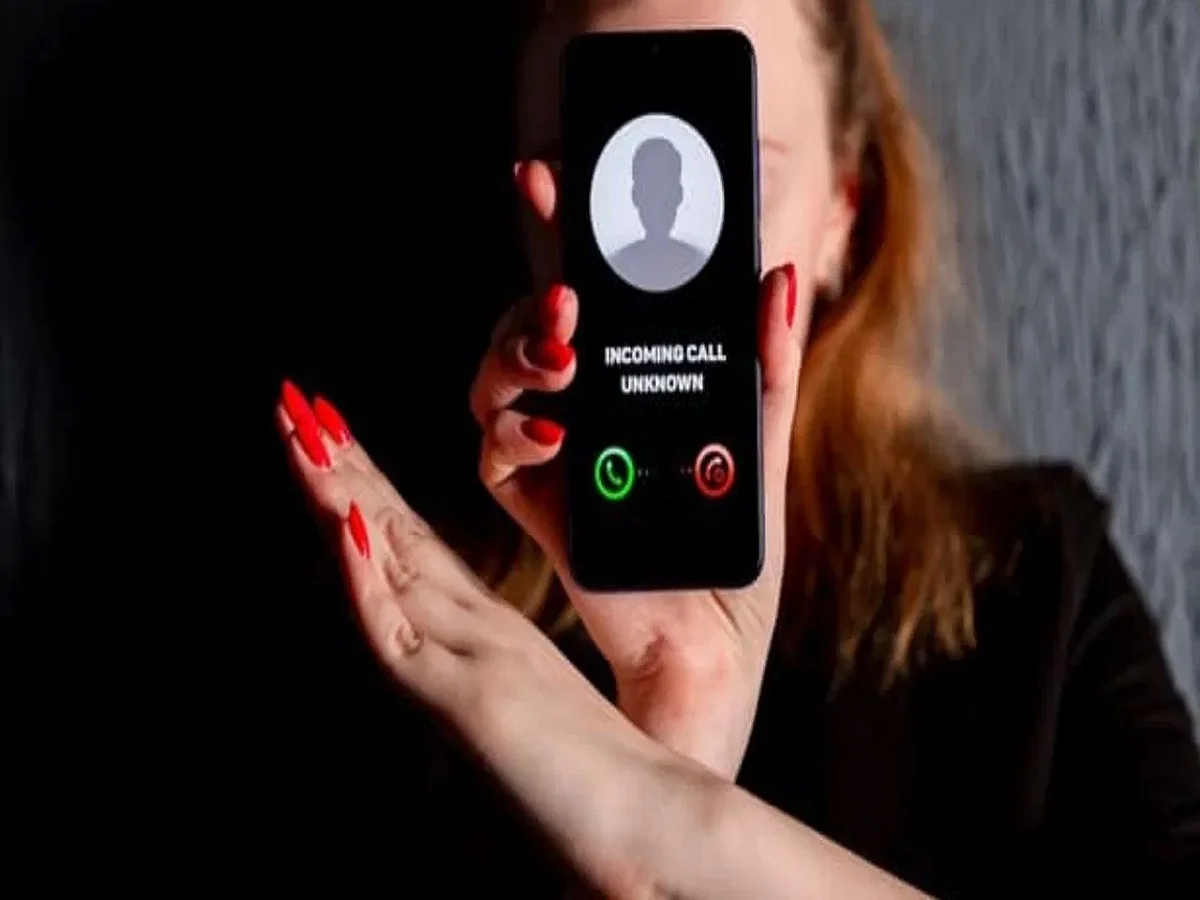
Spam Calls: If you are repeatedly receiving calls from unknown numbers regarding loans, KYC updates or bank offers, then you are not alone. A new report by Truecaller has revealed that the threat of spam calls is rapidly increasing in India. In the year 2025, India was among the countries in the world where the maximum number of fake and harassing calls were made. According to the report, India has reached the fifth position in the world in terms of spam calls. The most shocking thing is that out of every three unknown calls received in the country, almost two calls were found to be related to spam or fraud.
Fake calls are increasing every day
These days, people are constantly receiving calls from people claiming to be bank employees, government officials, or financial agents. Often, the callers ask for personal information by promising KYC updates, card blocking, or loan offers.
According to the report, the highest number of spam calls in India was related to telemarketing and sales. This was followed by calls related to financial services and online fraud. These fraudulent calls pose the greatest threat to people's bank accounts and finances.
Now, machines are making calls, not humans.
Truecaller stated in its report that the method of spam calls has completely changed. While previously individuals made calls manually, now thousands of calls are being made simultaneously with the help of automated systems and software. Cybercriminals are now using systems that continuously call from different numbers. This is why, after blocking one number, calls start coming from a new number the next day.
India's position in the world is worrying.
According to the report, Indonesia ranks first in terms of spam calls, followed by Chile, Vietnam, and Brazil. India ranks fifth, but recorded a spam intensity of 66 percent, which is considered quite serious. This indicates that people's trust in unknown numbers is rapidly declining. Many users have now resorted to call identification and blocking apps.
How can we avoid such fraud?
Experts advise against sharing your OTP, bank details, or Aadhaar number with any unknown caller . No genuine bank or government organization asks for such sensitive information over the phone.
Additionally, keeping your phone's caller ID and spam blocking features turned on can be helpful. Users can also activate DND services through their telecom operators. Reports about suspicious numbers can also be made through the government platform TRAI's Sanchar Saathi portal.
The danger may increase further in the coming times.
The report clearly shows that spam and fraudulent calls are no longer just a nuisance but a major cyber threat. As technology advances, the networks of fraudulent calls are also becoming more intelligent. Therefore, it is crucial to remain vigilant and cautious.